
8 Hanuman Temples Devotees Trust During Their Toughest Phase
Nidhi | Dec 26, 2025, 10:09 IST

Hanuman Ji
Image credit : Ai
When life feels overwhelming, millions of devotees across India turn to Lord Hanuman for strength, protection, and mental clarity. This article explores eight powerful Hanuman temples that people deeply trust during their toughest phases of life. From emotional distress and financial struggles to fear, uncertainty, and loss of direction, these temples are believed to offer inner stability rather than instant miracles. Rooted in history, belief, and lived devotion, the article explains why Hanuman is seen as a constant support system during crises, and how faith becomes a source of resilience when everything else feels uncertain.
There are phases in life when logic feels weak and reassurance feels scarce. Careers stall, relationships strain, health worries linger, and the mind keeps asking the same question again and again, how do I endure this? Across India, millions instinctively turn to Lord Hanuman during such moments. Not because he promises shortcuts, but because his very presence represents strength without ego, devotion without fear, and courage rooted in faith.
Over centuries, certain Hanuman temples have come to be trusted deeply by devotees during their most difficult phases. These are not just places of worship, but spaces where people feel mentally anchored and emotionally steadied. Below are eight Hanuman temples that devotees across generations trust when life feels overwhelming, along with the deeper reasons behind that faith.
1)
![Hanuman]()
The name itself means “the remover of troubles,” and that belief defines the temple’s identity. Established in the 16th century by Goswami Tulsidas, this temple has long been associated with relief from mental stress, fear, and recurring obstacles. Devotees believe that Hanuman here responds especially to sincere prayer during emotional and psychological distress.
A distinct tradition at this temple involves offering besan laddoos, symbolizing surrender of personal burdens. The atmosphere is calm yet powerful, making it a trusted refuge during anxiety-ridden phases of life.
Located near Patna Junction, this temple sees one of the highest footfalls among Hanuman temples in India. What draws devotees is not just convenience, but belief. Mahavir Mandir is associated with courage, clarity, and overcoming long-standing personal struggles.
Many devotees come here during job instability, exam pressure, or family crises. The temple is also known for channeling offerings into charitable hospitals, reinforcing the belief that faith must express itself through service.
Perched at the highest point in Shimla, Jakhu Temple is believed to stand where Hanuman rested while searching for the Sanjeevani herb. The physical climb itself becomes symbolic, reminding devotees that effort precedes relief.
People often visit Jakhu during periods of self-doubt, burnout, or loss of direction. The vast view from the hilltop reinforces a powerful emotional shift, helping devotees gain perspective on personal struggles that once felt overwhelming.
![Hanuman Ji Temple Rituals]()
Salasar is deeply associated with fulfillment of vows and resolution of prolonged difficulties. Many devotees visit after making a mannat during hard times, especially related to finances, legal issues, or family responsibilities.
What makes Salasar distinctive is the emphasis on discipline and humility. The temple’s traditions encourage inner transformation, reinforcing the idea that faith works best when paired with personal responsibility.
Situated near the birthplace of Lord Rama, Hanuman Garhi reflects Hanuman’s role as protector and gatekeeper. Devotees believe that no prayer reaches Rama without passing through Hanuman’s grace.
This temple is especially trusted during moments of fear, insecurity, and emotional vulnerability. The climb to the sanctum and the strong, vigilant form of Hanuman symbolize protection during unstable phases of life.
Unlike most temples, Mehandipur Balaji is approached specifically during extreme mental distress and unexplained suffering. Devotees believe the temple’s rituals help restore balance when the mind feels uncontrollable or overwhelmed.
The discipline-oriented worship here emphasizes patience and surrender rather than instant relief. For many, this temple represents the last anchor when conventional solutions fail to bring peace.
This temple houses a towering 32-foot Hanuman idol, symbolizing stability and strength. Devotees often visit during professional uncertainty, long-term stress, and periods of self-doubt.
The calm, structured worship here reflects South India’s devotional discipline, helping devotees cultivate focus and emotional steadiness. Many describe the experience as mentally grounding rather than emotionally overwhelming.
![Applying Sindoor To Hanuman Ji]()
Associated with Hanuman’s fiercest protective form, this temple represents courage during moments of fear and moral confusion. The Panchmukhi form symbolizes alertness in all directions, reinforcing inner vigilance during testing times.
Devotees often come here during crossroads in life, when decisions feel heavy and consequences uncertain. The temple’s surroundings add to a sense of timeless strength and resilience.
Over centuries, certain Hanuman temples have come to be trusted deeply by devotees during their most difficult phases. These are not just places of worship, but spaces where people feel mentally anchored and emotionally steadied. Below are eight Hanuman temples that devotees across generations trust when life feels overwhelming, along with the deeper reasons behind that faith.
1) Sankat Mochan Hanuman Temple
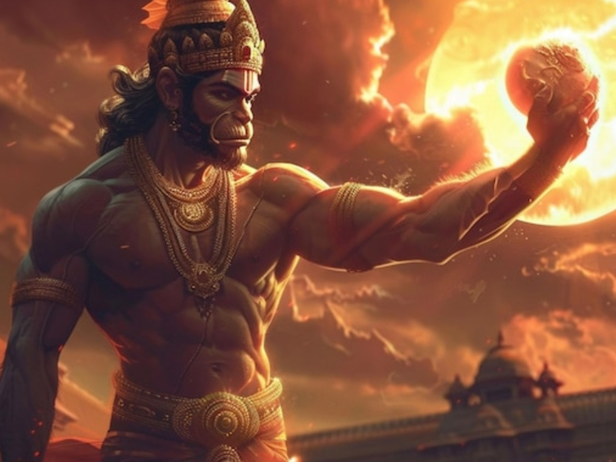
Hanuman
Image credit : Freepik
The name itself means “the remover of troubles,” and that belief defines the temple’s identity. Established in the 16th century by Goswami Tulsidas, this temple has long been associated with relief from mental stress, fear, and recurring obstacles. Devotees believe that Hanuman here responds especially to sincere prayer during emotional and psychological distress.
A distinct tradition at this temple involves offering besan laddoos, symbolizing surrender of personal burdens. The atmosphere is calm yet powerful, making it a trusted refuge during anxiety-ridden phases of life.
2) Mahavir Mandir
Many devotees come here during job instability, exam pressure, or family crises. The temple is also known for channeling offerings into charitable hospitals, reinforcing the belief that faith must express itself through service.
3) Jakhu Temple
People often visit Jakhu during periods of self-doubt, burnout, or loss of direction. The vast view from the hilltop reinforces a powerful emotional shift, helping devotees gain perspective on personal struggles that once felt overwhelming.
4) Salasar Balaji Temple
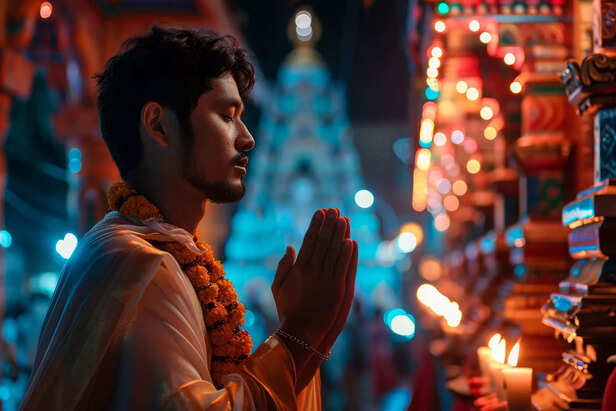
Hanuman Ji Temple Rituals
Image credit : Freepik
Salasar is deeply associated with fulfillment of vows and resolution of prolonged difficulties. Many devotees visit after making a mannat during hard times, especially related to finances, legal issues, or family responsibilities.
What makes Salasar distinctive is the emphasis on discipline and humility. The temple’s traditions encourage inner transformation, reinforcing the idea that faith works best when paired with personal responsibility.
5) Hanuman Garhi
This temple is especially trusted during moments of fear, insecurity, and emotional vulnerability. The climb to the sanctum and the strong, vigilant form of Hanuman symbolize protection during unstable phases of life.
6) Mehandipur Balaji Temple
The discipline-oriented worship here emphasizes patience and surrender rather than instant relief. For many, this temple represents the last anchor when conventional solutions fail to bring peace.
7) Anjaneya Temple
The calm, structured worship here reflects South India’s devotional discipline, helping devotees cultivate focus and emotional steadiness. Many describe the experience as mentally grounding rather than emotionally overwhelming.
8) Panchmukhi Hanuman Temple

Applying Sindoor To Hanuman Ji
Image credit : Pixabay
Associated with Hanuman’s fiercest protective form, this temple represents courage during moments of fear and moral confusion. The Panchmukhi form symbolizes alertness in all directions, reinforcing inner vigilance during testing times.
Devotees often come here during crossroads in life, when decisions feel heavy and consequences uncertain. The temple’s surroundings add to a sense of timeless strength and resilience.