
9 Places Where Krishna Lived, Left, and Still Lives in Memory
Nidhi | Feb 10, 2026, 10:00 IST

Krishna's Life
Image credit : Ai
Krishna’s life was not confined to one city or kingdom. From his birth in Mathura and childhood in Gokul and Vrindavan to his rule in Dwarka, guidance at Kurukshetra, and remembrance in Jagannath Puri, his journey unfolded across many sacred places. This article traces nine locations that shaped Krishna’s life, departure, and enduring presence, connecting geography with memory, devotion, and history.
Krishna’s life spanned approximately 125 years, according to the Mahabharata and Puranic chronology. Within those years, he rarely remained in one place for long. His life unfolded in clear phases: infancy under threat, childhood in hiding, youth shaped by love and separation, adulthood defined by responsibility, and final years marked by withdrawal and detachment. Each phase was tied to a place, and when that phase ended, Krishna left.
This movement was not accidental. Krishna’s departures often came at moments of emotional intensity or political resolution. He left Mathura after ending tyranny, Vrindavan after love reached its deepest point, Dwarka after duty was complete, and the world itself once dharma had been restored. What remained were memories so strong that geography turned sacred.
![Krishna]()
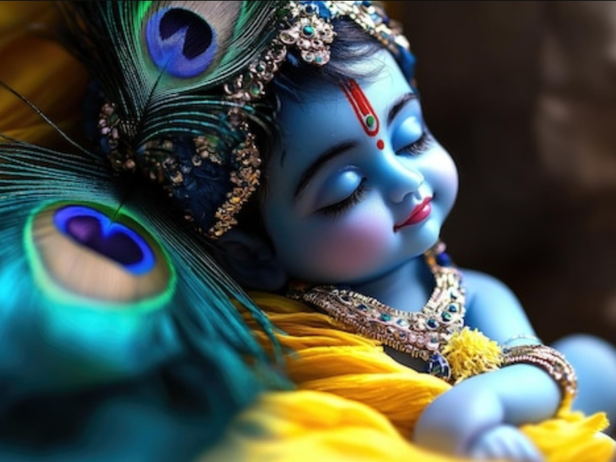
Krishna was born in Mathura during a time of political terror. Kansa’s rule had turned the city into a place of fear, and Krishna’s birth in prison symbolized life emerging under oppression. Mathura remembers Krishna as the child who survived impossible odds. Although he lived here only briefly as an infant and later for a short period as a young man, Mathura marks the beginning and moral foundation of his life. It is remembered as the place where destiny entered history.
Gokul holds Krishna’s earliest years, when survival mattered more than identity. Hidden from Kansa, Krishna grew up unaware of his royal birth. The people of Gokul remember him as a child protected by the community. This phase grounded Krishna in human relationships before divine purpose emerged. Gokul connects Krishna’s life to nurture, safety, and collective care.
![Krishna Vrindavan life lesson]()
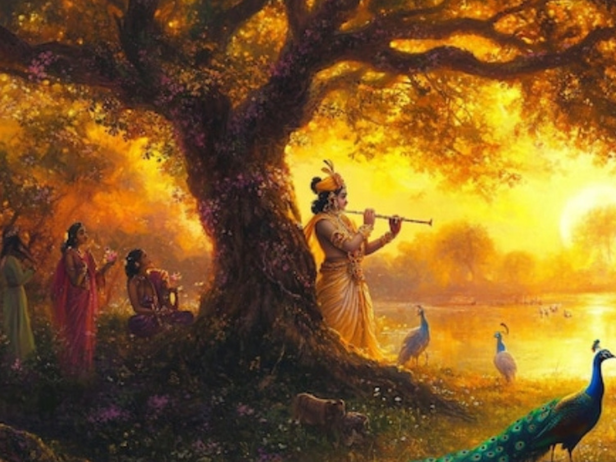
Vrindavan represents the longest and most emotionally remembered phase of Krishna’s life. Here, he grew from child to youth. His bond with the land, animals, and people shaped his understanding of love and separation. When Krishna left Vrindavan, the separation was permanent. This absence became central to how Krishna is remembered. Vrindavan remembers him not through return, but through longing. It is the emotional core of his life story.
Krishna returned to Mathura as a young man to confront Kansa. This was a brief but decisive phase. The city remembers Krishna as the liberator who ended tyranny. His stay was short because his role was specific. Once justice was restored, he left again. Mathura marks the transition from emotional life to political responsibility.
Dwarka became Krishna’s longest residence. Here, he lived as a king, strategist, and protector. His life in Dwarka was not centered on expansion, but on stability. Dwarka remembers Krishna as a ruler who governed without ego. When the Yadava clan destroyed itself through internal conflict, Krishna did not intervene. His acceptance of Dwarka’s end reflects the maturity of his later years, where detachment replaced control.
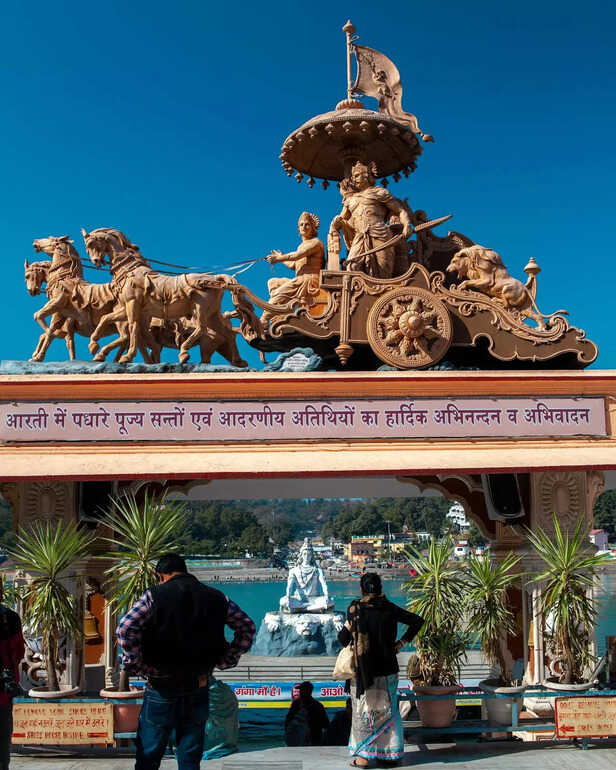
![Krishna Guiding Arjuna on the Battlefield]() Kurukshetra captures Krishna at the height of wisdom. He did not fight in the war, yet his counsel shaped its outcome. The Bhagavad Gita emerged from this moment, connecting action with detachment. Kurukshetra links Krishna’s entire life into a philosophy of duty. It is remembered as the place where Krishna explained the meaning of all he had lived.
Kurukshetra captures Krishna at the height of wisdom. He did not fight in the war, yet his counsel shaped its outcome. The Bhagavad Gita emerged from this moment, connecting action with detachment. Kurukshetra links Krishna’s entire life into a philosophy of duty. It is remembered as the place where Krishna explained the meaning of all he had lived.
Hastinapur represents Krishna’s role as mediator. He tried to prevent war, emphasizing peace over victory. When war became inevitable, he accepted human agency. Hastinapur remembers Krishna not as a ruler, but as a moral witness. This place connects his compassion with the limits of divine intervention.
Krishna’s life ended in Prabhas Patan, away from power and people. His death was quiet, unresisted, and solitary. This place remembers Krishna as someone who accepted mortality without fear. Prabhas Patan marks the completion of his earthly journey and the final act of detachment.
Jagannath Puri represents Krishna beyond time. Tradition holds that his heart remained and later became Lord Jagannath. Unlike other temples, the form here emphasizes continuity rather than completion. Puri remembers Krishna not as someone who lived or died, but as someone who remained. It is where memory becomes presence.
This movement was not accidental. Krishna’s departures often came at moments of emotional intensity or political resolution. He left Mathura after ending tyranny, Vrindavan after love reached its deepest point, Dwarka after duty was complete, and the world itself once dharma had been restored. What remained were memories so strong that geography turned sacred.
1. Mathura | Birth and Threat (Year 0)
Krishna
Image credit : Freepik
Krishna was born in Mathura during a time of political terror. Kansa’s rule had turned the city into a place of fear, and Krishna’s birth in prison symbolized life emerging under oppression. Mathura remembers Krishna as the child who survived impossible odds. Although he lived here only briefly as an infant and later for a short period as a young man, Mathura marks the beginning and moral foundation of his life. It is remembered as the place where destiny entered history.
2. Gokul | Early Childhood (Years 0–3)
3. Vrindavan | Childhood and Youth (Years 3–11)
Krishna Vrindavan life lesson
Image credit : Freepik
Vrindavan represents the longest and most emotionally remembered phase of Krishna’s life. Here, he grew from child to youth. His bond with the land, animals, and people shaped his understanding of love and separation. When Krishna left Vrindavan, the separation was permanent. This absence became central to how Krishna is remembered. Vrindavan remembers him not through return, but through longing. It is the emotional core of his life story.
4. Mathura | Return and Justice (Years 11–12)
5. Dwarka | Kingship and Governance (Years 12–90+)
6. Kurukshetra | Guidance and Philosophy (Around Year 90)
Krishna Guiding Arjuna on the Battlefield
Image credit : Pexels
7. Hastinapur | Diplomacy and Witness
Hastinapur represents Krishna’s role as mediator. He tried to prevent war, emphasizing peace over victory. When war became inevitable, he accepted human agency. Hastinapur remembers Krishna not as a ruler, but as a moral witness. This place connects his compassion with the limits of divine intervention.