
Am I Asking For Too Much, or Asking The Wrong Person? Krishna Answers
Riya Kumari | Apr 15, 2026, 00:10 IST

Krishna
Image credit : AI
Perhaps you are not asking for too much. Perhaps you are asking a small place to hold a vast truth. Perhaps you are placing soul-sized questions in rooms built for convenience. Perhaps the pain is not that your heart is excessive, but that it has been knocking where only echoes live. Not every closed door is rejection. Some are redirection. Some are protection. And some are the quiet mercy that returns you to yourself.
There are moments when the heart grows tired of carrying its own questions. You ask, you wait, you explain yourself carefully, you lower your expectations, then raise them again in secret. Still, something comes back incomplete. Not because your need is too large, but because what you are asking for may not belong to the hands you are offering it to. This is one of the hardest griefs to name. Not rejection. Not failure. Something quieter. The ache of standing at the wrong door for too long, knocking with sincerity, and wondering why it still does not open.
When Need Begins to Sound Like Shame
![Seen]()
Many people do not suffer because they need too much. They suffer because, after being unmet enough times, they begin to apologize for needing anything at all. You ask for honesty and are told you are intense. You ask for clarity and are called impatient. You ask for consistency and start fearing you are difficult. Slowly, the mind turns against the heart.
What was once a simple human need begins to feel like a flaw. But thirst is not greed. A wound is not weakness because it wants healing. The real danger begins when you shrink your truth to fit someone else’s limitations. It is like folding a large map again and again until even you can no longer read where you were trying to go.
The Wrong Person Is Not Always a Bad Person
Sometimes the wrong person is not cruel. They are simply unable. Unable to hold what you carry. Unable to meet you where you live inwardly. Unable to speak the language your soul understands. A clay cup is not evil because it cannot hold the sea. This is where inner conflict begins. The mind says, “Be understanding.” The heart says, “But I am still alone.” Both are telling the truth. Compassion does not cancel reality.
There is a kind of suffering that comes from attachment not just to a person, but to a possibility. You are not only loving who they are. You are loving who you hoped they would become for you. And hope, when tied too tightly to one form, can become a golden thread around the throat. To loosen that thread is not betrayal. It is breath.
What Are You Really Asking For?
![Worthy]()
Often, beneath the visible request lies a deeper one.
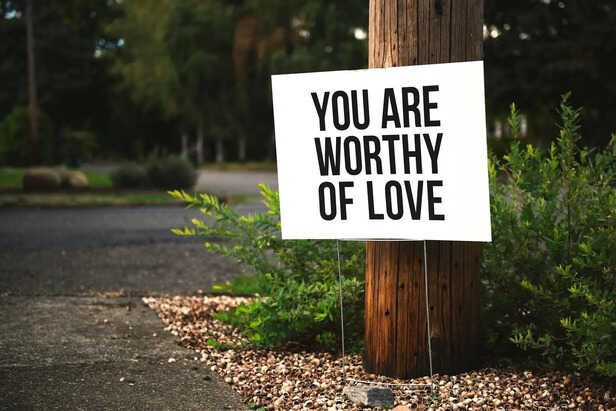
You say, “Why won’t they choose me?” but what you are really asking is, “Am I worthy of being chosen?”
You say, “Why is this not working?” but underneath is, “Can I trust life if I do not get what I want?”
You say, “Why do I keep trying?” and somewhere below that is, “Who am I without this outcome?”
This is where the noise of desire meets the stillness of truth. You are not only asking a person for love, reassurance, commitment, or recognition. You may be asking them to settle an argument happening inside you. To prove your value. To make your path clear. To hold together an identity that already feels fragile.
No human being can safely carry that burden for long. What you seek from the world must not become the foundation of who you are. Otherwise every unanswered message feels like a verdict, every delay feels like abandonment, every change feels like collapse. The self is deeper than the role that is not being returned to you.
The Quiet Strength of Releasing the Outcome
There is a different way to live: to act with sincerity, but not chain your peace to the result. To love fully, but not disappear inside the response. To show up, but not surrender your center. This is not indifference. It is steadiness. Like a lamp in a windy temple, the flame still moves, but it does not forget it is fire. You can ask clearly. You can hope honestly. You can care deeply. But after that, something in you must unclench.
Not because the outcome does not matter, but because your life is larger than this one answer. What is yours does not need your panic to arrive. What leaves was never made sacred by your suffering. There is dignity in effort. But there is freedom in knowing effort is your part, not your identity
When Need Begins to Sound Like Shame

Seen
Image credit : Pexels
Many people do not suffer because they need too much. They suffer because, after being unmet enough times, they begin to apologize for needing anything at all. You ask for honesty and are told you are intense. You ask for clarity and are called impatient. You ask for consistency and start fearing you are difficult. Slowly, the mind turns against the heart.
What was once a simple human need begins to feel like a flaw. But thirst is not greed. A wound is not weakness because it wants healing. The real danger begins when you shrink your truth to fit someone else’s limitations. It is like folding a large map again and again until even you can no longer read where you were trying to go.
The Wrong Person Is Not Always a Bad Person
Sometimes the wrong person is not cruel. They are simply unable. Unable to hold what you carry. Unable to meet you where you live inwardly. Unable to speak the language your soul understands. A clay cup is not evil because it cannot hold the sea. This is where inner conflict begins. The mind says, “Be understanding.” The heart says, “But I am still alone.” Both are telling the truth. Compassion does not cancel reality.
There is a kind of suffering that comes from attachment not just to a person, but to a possibility. You are not only loving who they are. You are loving who you hoped they would become for you. And hope, when tied too tightly to one form, can become a golden thread around the throat. To loosen that thread is not betrayal. It is breath.
What Are You Really Asking For?
Worthy
Image credit : Pexels
Often, beneath the visible request lies a deeper one.
You say, “Why won’t they choose me?” but what you are really asking is, “Am I worthy of being chosen?”
You say, “Why is this not working?” but underneath is, “Can I trust life if I do not get what I want?”
You say, “Why do I keep trying?” and somewhere below that is, “Who am I without this outcome?”
This is where the noise of desire meets the stillness of truth. You are not only asking a person for love, reassurance, commitment, or recognition. You may be asking them to settle an argument happening inside you. To prove your value. To make your path clear. To hold together an identity that already feels fragile.
No human being can safely carry that burden for long. What you seek from the world must not become the foundation of who you are. Otherwise every unanswered message feels like a verdict, every delay feels like abandonment, every change feels like collapse. The self is deeper than the role that is not being returned to you.
The Quiet Strength of Releasing the Outcome
There is a different way to live: to act with sincerity, but not chain your peace to the result. To love fully, but not disappear inside the response. To show up, but not surrender your center. This is not indifference. It is steadiness. Like a lamp in a windy temple, the flame still moves, but it does not forget it is fire. You can ask clearly. You can hope honestly. You can care deeply. But after that, something in you must unclench.
Not because the outcome does not matter, but because your life is larger than this one answer. What is yours does not need your panic to arrive. What leaves was never made sacred by your suffering. There is dignity in effort. But there is freedom in knowing effort is your part, not your identity