
Hanuman Temples Where Devotees Believe He Is Still Alive
Charu Sharma | Jan 02, 2026, 05:50 IST

Hanuman being an ancient belief and lived devotion, this article was a journey into the Hanuman temples where the followers take the presence of Hanuman as an active entity even today. Far and wide, this article has covered from the hilltop shrines to the sanctums of healing, where it finds the reason why Hanuman is not considered a deity of the past, rather he is regarded as a living guardian of faith, power, and safety.
At the centre of India's spiritual fabric, Hanuman, the eternal servant of Lord Rama, is the one figure that devotees believe has never really left. Whereas many gods are worshipped as symbols of divinity, the devotees of Hanuman frequently use the present tense when they talk about him: he is here, he listens, he protects, he feels. This is because they consider Hanuman to be a Chiranjivi, a being that is immortal and, by a divine promise, will stay on earth as long as Rama's name is chanted with love. Temples all over India have transformed into residences of this conviction, places where pilgrims experience, rather than just perceive, the real presence of Hanuman. These temples have become witnesses to a bond that is beyond time between the divine and humans, whether it be through an unfathomable spiritual power, a perpetually burning flame, or miracle stories of a long time. We present the Hanuman temples that rank highest in the religious trust of the people in this article. The devotees there believe that he is still alive in spirit, his presence being felt in the atmosphere, in the chants, and even in the stones and rituals of the temple.
1. Jakhu Temple - Shimla, Himachal Pradesh
![Jakhu temple]()
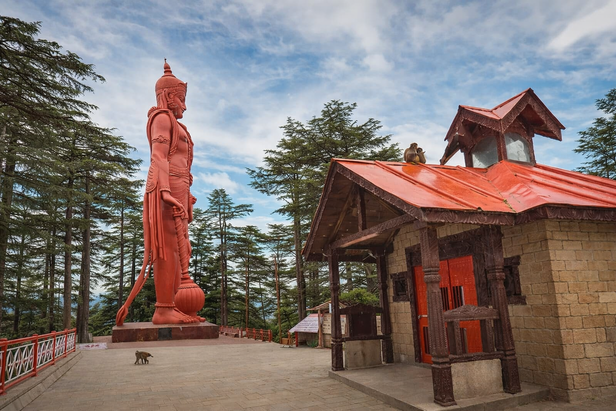
Perched atop Shimla's highest peak, Jakhu Temple is one of northern India's most famous Hanuman shrines. It is located at a spectacular height of over 8, 000 feet, a viewpoint is said to be where Hanuman waited while carrying the life, saving Sanjeevani herb during the Ramayana. Why devotees feel his presence here: The atmosphere: Devotees frequently relate that just before entering the temple they are overtaken by a feeling of peace or power a perception that Hanuman is present among all those who come up the hill. The site's mythology: Situated on a path that has been historically linked with Hanuman's journey, the believers say that this place is not only a monument but also the spiritual essence of the god. Whichever way you look at it, the wind stroking the trees or the prayers resounding among the hills, Jakhu is considered by many to be more than a temple but the very presence of Hanuman's living watch.
2. Salasar Balaji - Rajasthan
In the harsh sand dunes of Rajasthan's Churu district is Salasar Balaji, a shrine not only known for the unquenchable divine flame but for the devotion spread all over India. What makes it special: Eternal flame: Lamps at this place have been reported to burn without oil, a phenomenon that devotees take as the ever alert presence of Hanuman. The flame is consciously seen not as a ritual but as a living energy of the deity. Unique idol form: The deity is shown with a moustache and thick features, a rare and powerful form, the devotees say, which reflects Hanuman's active, watchful nature. Halting their prayers the devout see this as a shrine not of static worship but a living hearth of faith which is alive and vibrant.
3. Sankat Mochan Temple - Varanasi, Uttar Pradesh
One can say that the Sankat Mochan Hanuman Temple, situated in Varanasi and founded by the saint, poet Tulsidas, the author of the Ramcharitmanas, is a very prominent temple that has acquired a reputation for its spiritual power. Devotees believe: Hanuman here is not distant but accessible, listening directly to every sincere chant and prayer. When visiting the temple, tourists and pilgrims decide to recite the Hanuman Chalisa in the temple, to have an experience of the release of their emotions, the feeling of being protected, or the peace that they attribute to the presence of Hanuman active. The word Sankat Mochan itself means remover of troubles, which is another way of saying that Hanuman here is a living helper not merely a symbol of power.
4. Kashtbhanjan Hanuman Mandir - Sarangpur, Gujarat
![Kashtbhanjan temple]()
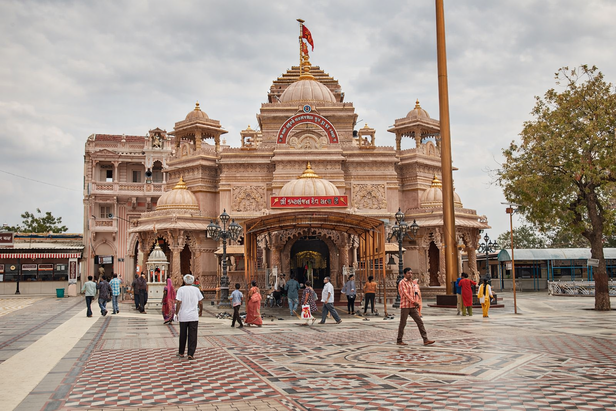
In Sarangpur, Gujarat, the Kashtbhanjan Hanuman Mandir is a place that is said to be profoundly experiential with the presence of Hanuman. Why devotees say it feels alive: Healing power: The temple is celebrated for the ceremonies that are held to remove emotional or spiritual sufferings that are very deep. A large number of devotees have made the claim that they are relieved after going through an intense hardship, and they attribute these experiences to the compassion of Hanuman. Spiritual depth: The name of the temple signifies "crusher of sorrows", and the worshippers say that Hanuman not only listens but also he does the acts on behalf of those who come with pure hearts. In religious practice here, Hanuman is the one who is actively against the suffering, not a distant deity in the legend.
5. Hanuman Dhara - Chitrakoot
Chitrakoot is one of the most sacred places on the pilgrim journey of Lord Rama as narrated in Ramayana. Among its peaceful nature, Hanuman Dhara temple is associated with a different kind of story: a cooling spring which flows continuously is said to be a divine gift to Hanuman after he set Lanka on fire. Belief & experience: Firstly, the water is considered to be the medium of the divine grace which relieves the devotees not only of the physical but of the emotional also. In fact, many think that the devoted service of Hanuman to Lord Rama reaches here, where his presence can be felt in every drop and breeze. While this sanctuary is often branded as merely a monumental site, it in fact serves as a living proof of the fervent love of the deity to the people.
Ending Note :
In the Hindu spiritual framework, gods are not merely the figures of ancient times they continue to exist in the places where devotion is most intense. For the devotees of Hanuman, his living presence is not just a myth; it is deeply ingrained in their sacramental experiences, the heritage of the temples, and the changes within themselves. The temples through their inexhaustible fires, therapeutic rituals, or the overwhelming peace of a mountain shrine, offer such encounters that some consider them as the manifestation of Hanumans vigilant gaze even in this era. Belief is a matter of individual choice and the concept of a deity being alive is different in various traditions however, for millions who recite the Hanuman Chalisa, visit temples, or engage in prayer, these sanctuaries are not the past. They are the places where faith is still alive, just as Hanuman is thought to be doing.
FAQs (Frequently Asked Questions) :
1. Jakhu Temple - Shimla, Himachal Pradesh
Jakhu temple
Image credit : Times Life Bureau
Perched atop Shimla's highest peak, Jakhu Temple is one of northern India's most famous Hanuman shrines. It is located at a spectacular height of over 8, 000 feet, a viewpoint is said to be where Hanuman waited while carrying the life, saving Sanjeevani herb during the Ramayana. Why devotees feel his presence here: The atmosphere: Devotees frequently relate that just before entering the temple they are overtaken by a feeling of peace or power a perception that Hanuman is present among all those who come up the hill. The site's mythology: Situated on a path that has been historically linked with Hanuman's journey, the believers say that this place is not only a monument but also the spiritual essence of the god. Whichever way you look at it, the wind stroking the trees or the prayers resounding among the hills, Jakhu is considered by many to be more than a temple but the very presence of Hanuman's living watch.
2. Salasar Balaji - Rajasthan
In the harsh sand dunes of Rajasthan's Churu district is Salasar Balaji, a shrine not only known for the unquenchable divine flame but for the devotion spread all over India. What makes it special: Eternal flame: Lamps at this place have been reported to burn without oil, a phenomenon that devotees take as the ever alert presence of Hanuman. The flame is consciously seen not as a ritual but as a living energy of the deity. Unique idol form: The deity is shown with a moustache and thick features, a rare and powerful form, the devotees say, which reflects Hanuman's active, watchful nature. Halting their prayers the devout see this as a shrine not of static worship but a living hearth of faith which is alive and vibrant.
3. Sankat Mochan Temple - Varanasi, Uttar Pradesh
One can say that the Sankat Mochan Hanuman Temple, situated in Varanasi and founded by the saint, poet Tulsidas, the author of the Ramcharitmanas, is a very prominent temple that has acquired a reputation for its spiritual power. Devotees believe: Hanuman here is not distant but accessible, listening directly to every sincere chant and prayer. When visiting the temple, tourists and pilgrims decide to recite the Hanuman Chalisa in the temple, to have an experience of the release of their emotions, the feeling of being protected, or the peace that they attribute to the presence of Hanuman active. The word Sankat Mochan itself means remover of troubles, which is another way of saying that Hanuman here is a living helper not merely a symbol of power.
4. Kashtbhanjan Hanuman Mandir - Sarangpur, Gujarat
Kashtbhanjan temple
Image credit : Times Life Bureau
In Sarangpur, Gujarat, the Kashtbhanjan Hanuman Mandir is a place that is said to be profoundly experiential with the presence of Hanuman. Why devotees say it feels alive: Healing power: The temple is celebrated for the ceremonies that are held to remove emotional or spiritual sufferings that are very deep. A large number of devotees have made the claim that they are relieved after going through an intense hardship, and they attribute these experiences to the compassion of Hanuman. Spiritual depth: The name of the temple signifies "crusher of sorrows", and the worshippers say that Hanuman not only listens but also he does the acts on behalf of those who come with pure hearts. In religious practice here, Hanuman is the one who is actively against the suffering, not a distant deity in the legend.
5. Hanuman Dhara - Chitrakoot
Chitrakoot is one of the most sacred places on the pilgrim journey of Lord Rama as narrated in Ramayana. Among its peaceful nature, Hanuman Dhara temple is associated with a different kind of story: a cooling spring which flows continuously is said to be a divine gift to Hanuman after he set Lanka on fire. Belief & experience: Firstly, the water is considered to be the medium of the divine grace which relieves the devotees not only of the physical but of the emotional also. In fact, many think that the devoted service of Hanuman to Lord Rama reaches here, where his presence can be felt in every drop and breeze. While this sanctuary is often branded as merely a monumental site, it in fact serves as a living proof of the fervent love of the deity to the people.
Ending Note :
In the Hindu spiritual framework, gods are not merely the figures of ancient times they continue to exist in the places where devotion is most intense. For the devotees of Hanuman, his living presence is not just a myth; it is deeply ingrained in their sacramental experiences, the heritage of the temples, and the changes within themselves. The temples through their inexhaustible fires, therapeutic rituals, or the overwhelming peace of a mountain shrine, offer such encounters that some consider them as the manifestation of Hanumans vigilant gaze even in this era. Belief is a matter of individual choice and the concept of a deity being alive is different in various traditions however, for millions who recite the Hanuman Chalisa, visit temples, or engage in prayer, these sanctuaries are not the past. They are the places where faith is still alive, just as Hanuman is thought to be doing.
FAQs (Frequently Asked Questions) :
- Are there scriptures that mention Hanuman’s immortality?
Yes, several Hindu texts and traditions describe Hanuman as an eternal being. - Do these temples claim Hanuman is physically present?
No, the belief refers to spiritual presence, not physical sightings. - Is belief in Hanuman’s living presence universal?
It varies; some see it symbolically, others experience it deeply and personally. - Can anyone visit these temples regardless of belief?
Yes, they are open to all, welcoming devotion, curiosity, and reflection alike.