
What Happens After You Die? The Gita Explains Why Death Isn’t the End
Nidhi | Nov 11, 2025, 22:29 IST

Krishna
Image credit : Times Life Bureau
Everyone wonders what happens after death — but the Bhagavad Gita has been answering it for thousands of years. This article explores Krishna’s timeless wisdom on the soul’s journey after death, the idea of rebirth, and why life never truly ends. Through the Gita’s lens, death is not destruction but transformation — a continuation of consciousness. Discover how this ancient teaching changes how we view loss, fear, and the purpose of living itself.
Have you ever wondered what really happens after we die? Not from a place of curiosity, but from that quiet ache we feel when someone we love is gone. We see a lifeless body and can’t help but ask: Where did they go?
The Bhagavad Gita, spoken by Krishna to Arjuna on the battlefield of Kurukshetra, begins with that same question. Arjuna is paralyzed by fear and sorrow at the thought of death. Krishna’s answer isn’t comforting poetry; it’s a revelation about the deepest truth of existence. He says that no one truly dies because the soul is eternal.
What ends is only the body. What continues is the soul’s journey. And that journey, the Gita explains, follows a rhythm that connects life, death, and rebirth into one continuous flow.
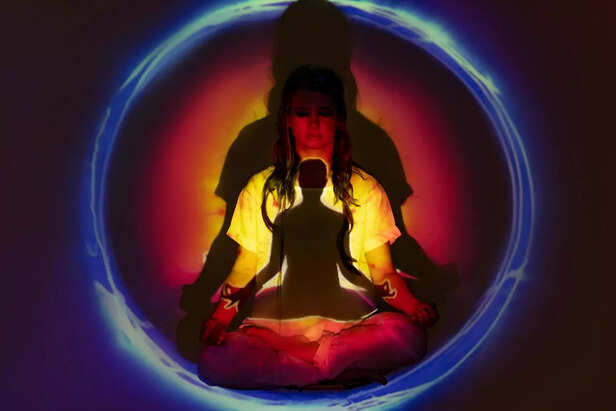
![Soul]() The first lesson Krishna gives Arjuna is simple but powerful. What you see in the mirror is not who you are. The body grows, changes, and eventually perishes. But the Atman, the soul, remains untouched by time.
The first lesson Krishna gives Arjuna is simple but powerful. What you see in the mirror is not who you are. The body grows, changes, and eventually perishes. But the Atman, the soul, remains untouched by time.
The Gita calls the soul ajo nitya shashvato ayam purano — unborn, eternal, everlasting, and ancient. When the body dies, the soul simply leaves it, just as we leave behind old clothes when they no longer fit. Death is not destruction, but departure.
This understanding changes everything. It shifts our identity from the temporary to the timeless. Once we realize that our real self cannot die, fear begins to fade and life starts to feel lighter, calmer, and more meaningful.
![Death]() Krishna tells Arjuna that death is not the end of life, but a pause in the soul’s long journey. The Gita explains that all beings move through an endless cycle of samsara — birth, death, and rebirth.
Krishna tells Arjuna that death is not the end of life, but a pause in the soul’s long journey. The Gita explains that all beings move through an endless cycle of samsara — birth, death, and rebirth.
When a person dies, their physical body disintegrates, but their subtle body, which holds the mind, desires, and karmic impressions, continues to exist. This subtle body carries the soul to its next destination according to its karma.
The idea is that death does not erase us. It moves us. Life and death are not opposites; they are two sides of the same process that helps the soul evolve toward higher states of awareness.
The Gita’s explanation of karma is deeply logical. Every action we perform leaves a trace, like a seed planted in the soil of consciousness. Over time, those seeds grow into circumstances and experiences, both in this life and the next.
Karma is not punishment. It is a principle of balance. What we send out through our intentions and actions eventually returns to us. Good actions create harmony and upliftment, while harmful actions create obstacles and suffering.
When the body dies, the karmic balance sheet continues with the soul. The next birth, the family we enter, and the challenges we face all align with the lessons our soul needs to learn. In this way, the cycle of life and death becomes a process of spiritual education rather than random fate.
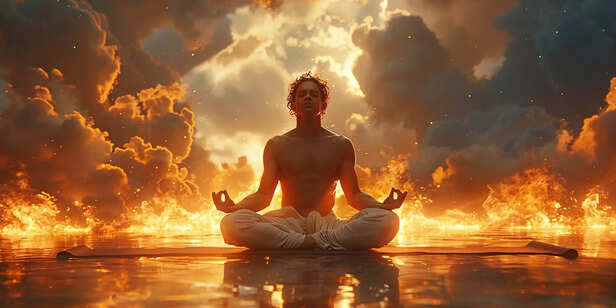
![Soul]() The Gita makes it clear that the ultimate purpose of human life is moksha, or liberation. Liberation means freedom from the cycle of birth and death. It happens when the soul realizes its true nature as divine and no longer identifies with the physical body or the ego.
The Gita makes it clear that the ultimate purpose of human life is moksha, or liberation. Liberation means freedom from the cycle of birth and death. It happens when the soul realizes its true nature as divine and no longer identifies with the physical body or the ego.
Krishna says that those who understand this truth and live in constant awareness of the Divine do not return after death. They reach a state of eternal peace. This is not a place somewhere in the sky but a state of consciousness where the soul rests in complete harmony with the universe.
In essence, the journey ends not by escaping life but by awakening fully to what life really is — an expression of the eternal Self.
When Krishna tells Arjuna that the soul cannot be killed, he is not offering blind faith. He is teaching clarity. The fear of death exists because we think we are the body. The moment we realize we are something that cannot die, the fear loses its grip.
Understanding death also changes how we live. It encourages us to act with purpose, to love deeply, and to focus on what truly matters. When you know that this life is a chapter, not the whole book, you start writing your story more consciously.
![Even the Strong Feel Fear]() The Gita also explains that the thoughts we hold at the moment of death influence where the soul goes next. Krishna says that whatever one remembers at the time of death, that state they will attain in their next life.
The Gita also explains that the thoughts we hold at the moment of death influence where the soul goes next. Krishna says that whatever one remembers at the time of death, that state they will attain in their next life.
This does not mean we must think of God only at the last moment. It means that the quality of our thoughts, habits, and awareness throughout life prepares the consciousness for that final transition. A calm and pure mind leads the soul upward. A restless, attached mind keeps it bound to the material plane.
So the best way to prepare for death, the Gita suggests, is to live every day with mindfulness, gratitude, and devotion.
The Gita never tells us to run away from the reality of death. Instead, it asks us to see death as a reminder. Everything in the world changes — our bodies, relationships, wealth, even our emotions. This truth is not meant to make us sad but awake.
When we accept that everything passes, we begin to appreciate what we have while we have it. We speak more kindly, love more fully, and waste less time on anger or pride. Death teaches us how to live better.
![New Born]()
Finally, Krishna reveals that the soul’s true nature is beyond both birth and death. There exists a state beyond dualities — beyond pleasure and pain, victory and loss, life and death.
This is the state of realization, where one sees that all life is interconnected, that every soul is part of the same divine energy. Reaching this awareness is the highest goal of spiritual life. It brings peace that does not depend on anything outside.
The Bhagavad Gita, spoken by Krishna to Arjuna on the battlefield of Kurukshetra, begins with that same question. Arjuna is paralyzed by fear and sorrow at the thought of death. Krishna’s answer isn’t comforting poetry; it’s a revelation about the deepest truth of existence. He says that no one truly dies because the soul is eternal.
What ends is only the body. What continues is the soul’s journey. And that journey, the Gita explains, follows a rhythm that connects life, death, and rebirth into one continuous flow.
1. You Are Not the Body, You Are the Soul
Soul
Image credit : Pexels
The Gita calls the soul ajo nitya shashvato ayam purano — unborn, eternal, everlasting, and ancient. When the body dies, the soul simply leaves it, just as we leave behind old clothes when they no longer fit. Death is not destruction, but departure.
This understanding changes everything. It shifts our identity from the temporary to the timeless. Once we realize that our real self cannot die, fear begins to fade and life starts to feel lighter, calmer, and more meaningful.
2. Death Is a Step in the Soul’s Long Journey
Death
Image credit : Pexels
When a person dies, their physical body disintegrates, but their subtle body, which holds the mind, desires, and karmic impressions, continues to exist. This subtle body carries the soul to its next destination according to its karma.
The idea is that death does not erase us. It moves us. Life and death are not opposites; they are two sides of the same process that helps the soul evolve toward higher states of awareness.
3. Karma Shapes the Soul’s Next Life
Karma is not punishment. It is a principle of balance. What we send out through our intentions and actions eventually returns to us. Good actions create harmony and upliftment, while harmful actions create obstacles and suffering.
When the body dies, the karmic balance sheet continues with the soul. The next birth, the family we enter, and the challenges we face all align with the lessons our soul needs to learn. In this way, the cycle of life and death becomes a process of spiritual education rather than random fate.
4. The Goal of Life Is Liberation, Not Rebirth
Soul
Image credit : Freepik
Krishna says that those who understand this truth and live in constant awareness of the Divine do not return after death. They reach a state of eternal peace. This is not a place somewhere in the sky but a state of consciousness where the soul rests in complete harmony with the universe.
In essence, the journey ends not by escaping life but by awakening fully to what life really is — an expression of the eternal Self.
5. Fear of Death Disappears When You Know What You Are
Understanding death also changes how we live. It encourages us to act with purpose, to love deeply, and to focus on what truly matters. When you know that this life is a chapter, not the whole book, you start writing your story more consciously.
6. The State of Mind at Death Reflects the Life You Lived

Even the Strong Feel Fear
Image credit : Freepik
This does not mean we must think of God only at the last moment. It means that the quality of our thoughts, habits, and awareness throughout life prepares the consciousness for that final transition. A calm and pure mind leads the soul upward. A restless, attached mind keeps it bound to the material plane.
So the best way to prepare for death, the Gita suggests, is to live every day with mindfulness, gratitude, and devotion.
7. Death Reminds Us That Life Is a Gift
When we accept that everything passes, we begin to appreciate what we have while we have it. We speak more kindly, love more fully, and waste less time on anger or pride. Death teaches us how to live better.
8. Beyond Birth and Death Lies the Eternal
New Born
Image credit : Pexels
Finally, Krishna reveals that the soul’s true nature is beyond both birth and death. There exists a state beyond dualities — beyond pleasure and pain, victory and loss, life and death.
This is the state of realization, where one sees that all life is interconnected, that every soul is part of the same divine energy. Reaching this awareness is the highest goal of spiritual life. It brings peace that does not depend on anything outside.