
Why the Deity at Badrinath Temple Is Covered in Ghee for 6 Months
Nidhi | Feb 04, 2026, 12:30 IST

Badrinath Ji
Image credit : Ai
Why is the deity at Badrinath Temple covered in ghee for six months every year? This article explores the ancient ritual behind this unique practice, explaining how extreme Himalayan winters, stone preservation, spiritual symbolism, and traditional temple knowledge come together. It looks at the scientific reasoning, religious meaning, and centuries-old wisdom that shaped the custom, revealing how faith, nature, and practical understanding coexist at one of Hinduism’s most sacred shrines.
Badrinath is not just a temple people visit. It is a place people feel. Perched high in the Garhwal Himalayas, surrounded by snow peaks and icy winds, it is one of the most challenging places to sustain any structure, let alone a centuries old stone idol.
Every year, as winter approaches and temperatures fall sharply, the temple closes its doors. Snow piles up, roads vanish, and the entire region becomes unlivable for humans. Yet before leaving, the priests perform one final, deeply emotional act. They coat the idol of Lord Vishnu with thick layers of ghee, sealing him gently into rest.
This is not drama. This is care.
![Chamoli, Jan 31 (ANI): A view of Badrinath temple after a fresh spell of snowfal...]() Winters in Badrinath are not poetic. They are brutal. Temperatures fall well below freezing. Moisture turns into ice. Stone becomes fragile. Anything exposed slowly breaks down.
Winters in Badrinath are not poetic. They are brutal. Temperatures fall well below freezing. Moisture turns into ice. Stone becomes fragile. Anything exposed slowly breaks down.
The idol of Lord Vishnu is carved from black stone, a material that reacts strongly to cold and moisture. If left exposed for months, the surface could crack or weaken. Over decades, even small damage adds up.
The ghee layer works like a warm blanket. It shields the stone from freezing air, keeps moisture out, and softens the harshness of the climate. This was not guessed. It was learned through experience and observation over generations.
Ghee is not random. In Indian households, ghee has always been trusted. It does not spoil easily. It thickens in cold. It repels water. It holds warmth.
For the idol, ghee becomes a natural shield. It does what modern preservatives try to do today, but without chemicals, without damage, and without interfering with the sanctity of the deity.
What looks like devotion is also quiet intelligence. Ancient people worked with nature, not against it.
Temple traditions did not come from blind belief. The people who designed these rituals understood stone, weather, and time. They knew which materials survived cold, which cracked, and which needed protection.
Covering the deity in ghee was not symbolic thinking alone. It was practical wisdom shaped into ritual so it would never be forgotten. When science is wrapped in faith, it survives centuries.
That is exactly what happened at Badrinath.
![Badrinath-Kedarnath Temple Committee to ban non-Hindus from entering Gangotri Dham, winter abode Mukhba]() Spiritually, this ritual carries a deeper meaning. Ghee represents nourishment, care, and purity. In everyday life, ghee is what we add when we want to strengthen someone.
Spiritually, this ritual carries a deeper meaning. Ghee represents nourishment, care, and purity. In everyday life, ghee is what we add when we want to strengthen someone.
As the temple closes, the deity is not treated as an object locked away. He is treated like a living presence that deserves rest. The ghee becomes a symbol of protection, warmth, and stillness.
Just as humans slow down in winter, the divine too enters a phase of calm. This belief makes the ritual deeply human.
Before winter sets in, priests perform a detailed ritual known as the Mahabhishek. The idol is bathed, prayers are chanted, and then ghee is applied carefully and respectfully.
This is done slowly, with full attention, following methods passed down through generations. The ghee is pure, prepared traditionally, and applied thick enough to last months.
When the temple doors close, it feels less like an ending and more like a promise that everything will be exactly as it should be when devotees return.
When summer arrives and the doors open again, the ghee is gently removed. What comes off the idol is no longer ordinary ghee. It is shared with devotees as Charanamrit.
People believe it carries blessings, healing, and peace. Some take it home carefully, some apply it with devotion, and some simply feel grateful to receive it.
It is powerful not because of superstition, but because it has been part of a sacred pause, untouched by noise, crowds, or chaos for months.
Empires fell. Roads changed. Technology arrived. Yet this ritual stayed exactly the same.
That itself says something important. Traditions survive only when they make sense, emotionally and practically. The ghee covering ritual continues because it works. It protects the idol. It comforts the believer. It respects nature.
Nothing unnecessary survives for centuries.
![Pray]()
Badrinath quietly teaches us something modern life often forgets. Faith does not have to be irrational. It can be thoughtful, adaptive, and deeply aware of the world around it.
This one ritual blends devotion, environmental awareness, ancient science, and emotional intelligence into a single act. No announcements. No explanations. Just continuity.
Every year, as winter approaches and temperatures fall sharply, the temple closes its doors. Snow piles up, roads vanish, and the entire region becomes unlivable for humans. Yet before leaving, the priests perform one final, deeply emotional act. They coat the idol of Lord Vishnu with thick layers of ghee, sealing him gently into rest.
This is not drama. This is care.
1. The Reality of Surviving a Himalayan Winter
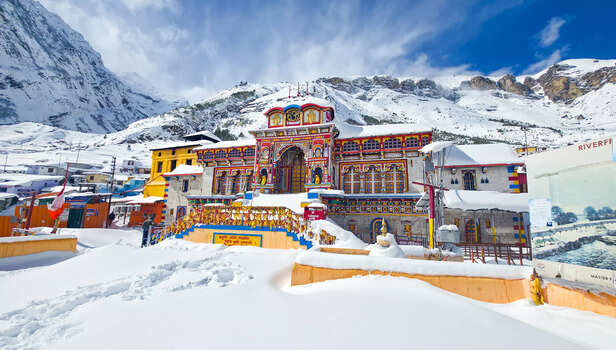
Chamoli, Jan 31 (ANI): A view of Badrinath temple after a fresh spell of snowfal...
Image credit : ANI
The idol of Lord Vishnu is carved from black stone, a material that reacts strongly to cold and moisture. If left exposed for months, the surface could crack or weaken. Over decades, even small damage adds up.
The ghee layer works like a warm blanket. It shields the stone from freezing air, keeps moisture out, and softens the harshness of the climate. This was not guessed. It was learned through experience and observation over generations.
2. Why Ghee and Not Anything Else
For the idol, ghee becomes a natural shield. It does what modern preservatives try to do today, but without chemicals, without damage, and without interfering with the sanctity of the deity.
What looks like devotion is also quiet intelligence. Ancient people worked with nature, not against it.
3. Ancient Knowledge That Understood Materials and Climate
Covering the deity in ghee was not symbolic thinking alone. It was practical wisdom shaped into ritual so it would never be forgotten. When science is wrapped in faith, it survives centuries.
That is exactly what happened at Badrinath.
4. A Moment of Rest for the Divine
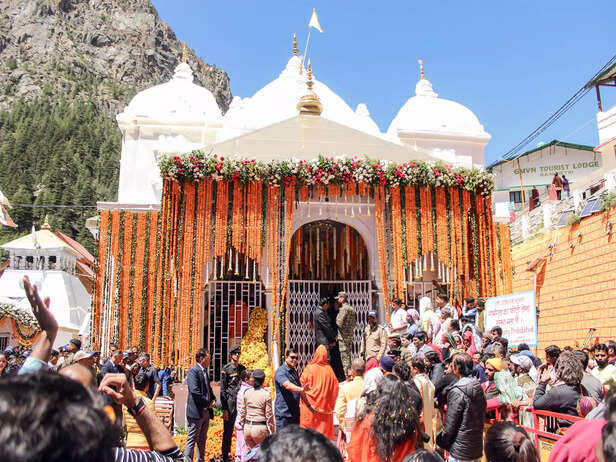
Badrinath-Kedarnath Temple Committee to ban non-Hindus from entering Gangotri Dham, winter abode Mukhba
Image credit : ANI
As the temple closes, the deity is not treated as an object locked away. He is treated like a living presence that deserves rest. The ghee becomes a symbol of protection, warmth, and stillness.
Just as humans slow down in winter, the divine too enters a phase of calm. This belief makes the ritual deeply human.
5. The Sacred Ceremony Before Closure
This is done slowly, with full attention, following methods passed down through generations. The ghee is pure, prepared traditionally, and applied thick enough to last months.
When the temple doors close, it feels less like an ending and more like a promise that everything will be exactly as it should be when devotees return.
6. When the Temple Reopens and Ghee Becomes Prasad
People believe it carries blessings, healing, and peace. Some take it home carefully, some apply it with devotion, and some simply feel grateful to receive it.
It is powerful not because of superstition, but because it has been part of a sacred pause, untouched by noise, crowds, or chaos for months.
7. A Tradition That Time Could Not Break
That itself says something important. Traditions survive only when they make sense, emotionally and practically. The ghee covering ritual continues because it works. It protects the idol. It comforts the believer. It respects nature.
Nothing unnecessary survives for centuries.
8. Faith That Thinks, Not Blindly Follows

Pray
Image credit : Freepik
Badrinath quietly teaches us something modern life often forgets. Faith does not have to be irrational. It can be thoughtful, adaptive, and deeply aware of the world around it.
This one ritual blends devotion, environmental awareness, ancient science, and emotional intelligence into a single act. No announcements. No explanations. Just continuity.