
Why Every Shiva Temple Begins With Nandi Facing the Deity
Nidhi | Oct 22, 2025, 10:08 IST

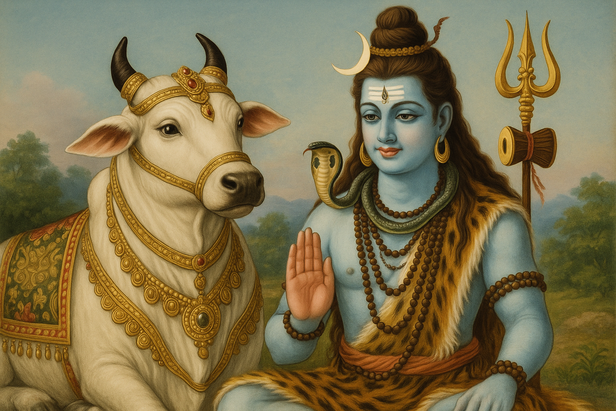
Shiva and Nandi
Image credit : Pixabay
Shiva temple in India begins with Nandi, the sacred bull, facing the deity. But why is this silent guardian placed at the forefront? Nandi is more than a statue; he represents devotion, dharma, and spiritual focus. From mythological origins in the Shiva Purana to temple architecture and Vastu Shastra, Nandi’s role is deeply symbolic. He is considered Shiva’s chief disciple, messenger of prayers, and protector of divine energy. Devotees often whisper their wishes to Nandi, trusting he conveys them to Lord Shiva. This article explores the philosophy, legends, rituals, and modern relevance of Nandi in Shiva temples, revealing why his gaze is an eternal reminder of steadfast devotion.
नमः शिवाय।
नन्दिराजः शरणं प्रपद्ये।
Shiva, the destroyer and transformer of the universe, holds a unique place in Hindu worship. A striking feature of Shiva temples worldwide is the presence of Nandi, the sacred bull, sitting directly in front of the Shiva lingam. Every devotee entering the temple sees Nandi first, silently staring at Shiva, an eternal sentinel of devotion and dharma. But why is this bull given such a prominent position? The answer lies deep in Hindu philosophy, mythology, and temple symbolism.
In Hindu temple architecture and tradition, nothing is accidental. Every figure, sculpture, and placement has a purpose. Nandi is not merely a statue; he is the gatekeeper, the messenger, and the ultimate devotee of Lord Shiva.
![Nandi and Shiva]() Nandi is considered the primary guardian of Shiva temples, stationed at the entrance of the sanctum sanctorum. In Vedic and Puranic texts, the concept of guardianship in sacred spaces is vital. Temples are not just architectural structures but spiritual energy centers. Nandi’s presence symbolizes protection of the divine energy of Shiva from negativity or external disturbances.
Nandi is considered the primary guardian of Shiva temples, stationed at the entrance of the sanctum sanctorum. In Vedic and Puranic texts, the concept of guardianship in sacred spaces is vital. Temples are not just architectural structures but spiritual energy centers. Nandi’s presence symbolizes protection of the divine energy of Shiva from negativity or external disturbances.
His posture, always sitting in a meditative, attentive stance, represents vigilance and readiness. He is a reminder to devotees that entering a sacred space requires mental discipline and purity of thought.
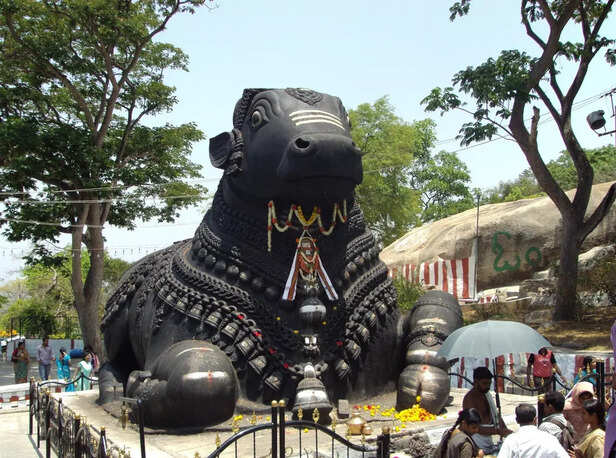
Nandi embodies pure devotion and surrender. According to legends, Nandi was an ardent devotee of Shiva even before being given the role of the mount or guardian. He listens to Shiva’s commands and conveys the prayers of devotees directly to the deity.
![nandi shivas warrior]() In many temples, devotees whisper their wishes and prayers into Nandi’s ears, believing he will transmit them to Lord Shiva. This symbolizes the bridge between the human and the divine, showing that devotion, not ritual complexity, is the key to spiritual connection.
In many temples, devotees whisper their wishes and prayers into Nandi’s ears, believing he will transmit them to Lord Shiva. This symbolizes the bridge between the human and the divine, showing that devotion, not ritual complexity, is the key to spiritual connection.
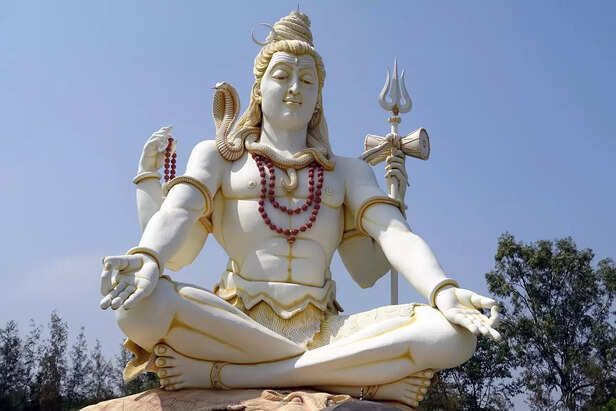
![lord shiva]() In Hindu philosophy, Nandi is more than a vehicle or companion. He represents dharma, strength, and stability. The bull, known for its unyielding power and calm nature, signifies inner strength and resilience in the face of life’s challenges.
In Hindu philosophy, Nandi is more than a vehicle or companion. He represents dharma, strength, and stability. The bull, known for its unyielding power and calm nature, signifies inner strength and resilience in the face of life’s challenges.
Shiva, as a yogi and ascetic, represents cosmic consciousness. Nandi’s grounded nature complements Shiva’s transcendence. Together, they illustrate the balance between spiritual wisdom and worldly responsibility. For devotees, Nandi is a living lesson: one must remain steadfast and disciplined to approach the divine.
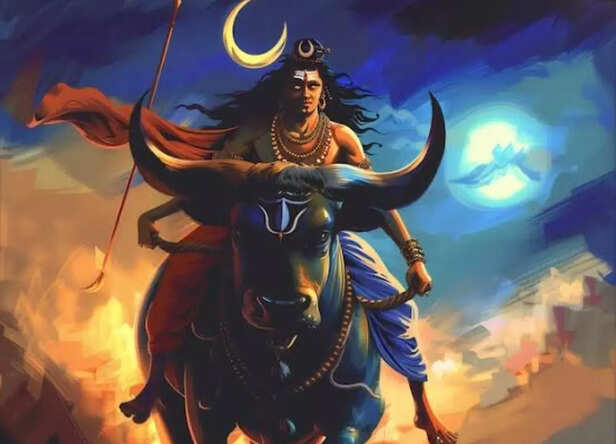
![Shiva on Nandi]() Every major deity in Hinduism has a vahana, a vehicle that conveys symbolic meaning. Nandi is the vahana of Shiva, representing dharma and truth. His forward-facing posture towards Shiva signifies focus, direction, and the path of righteousness.
Every major deity in Hinduism has a vahana, a vehicle that conveys symbolic meaning. Nandi is the vahana of Shiva, representing dharma and truth. His forward-facing posture towards Shiva signifies focus, direction, and the path of righteousness.
Unlike other deities whose vahanas roam freely, Nandi is stationary in temples, always facing Shiva. This is significant: it reminds devotees that dharma is unwavering, and true devotion requires facing the divine with attention and sincerity.
Nandi is mentioned in multiple Puranas, including the Shiva Purana and Skanda Purana. According to legend, Nandi was born as the son of the sages Shilada and Prishni after intense penance. He was blessed with immortality and was appointed as Shiva’s chief attendant and gatekeeper.
Stories emphasize that Nandi is Shiva’s first disciple. His unwavering focus and obedience exemplify the ideal devotee, encouraging humans to cultivate similar dedication in their spiritual pursuits.
Vastu Shastra and Agama Shastra, ancient texts guiding temple construction, emphasize the alignment of the sanctum and Nandi. Nandi is always placed along the central axis of the temple, facing the Shiva lingam. This alignment is not arbitrary; it ensures the flow of spiritual energy from the deity to the devotee.
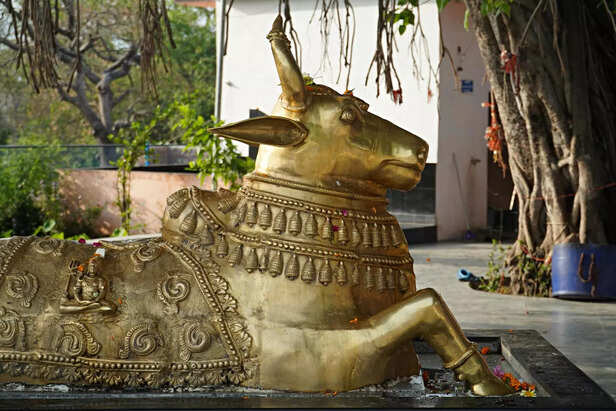
![Nandi]() The space between Nandi and the lingam represents the devotee’s path of learning and devotion. Sitting behind Nandi, devotees meditate, offering prayers and observing Nandi’s unwavering gaze, which directs focus towards Shiva.
The space between Nandi and the lingam represents the devotee’s path of learning and devotion. Sitting behind Nandi, devotees meditate, offering prayers and observing Nandi’s unwavering gaze, which directs focus towards Shiva.
In spiritual practice, communication with the divine is crucial. Nandi acts as a conduit for prayers, symbolizing the importance of intermediaries in spiritual focus. His placement allows devotees to silently communicate their inner thoughts before approaching the lingam, promoting introspection and sincerity.
Furthermore, Nandi teaches that devotion is active, not passive. By observing his attentiveness, devotees learn that engagement with the divine requires awareness, focus, and patience.
नन्दिराजः शरणं प्रपद्ये।
Shiva, the destroyer and transformer of the universe, holds a unique place in Hindu worship. A striking feature of Shiva temples worldwide is the presence of Nandi, the sacred bull, sitting directly in front of the Shiva lingam. Every devotee entering the temple sees Nandi first, silently staring at Shiva, an eternal sentinel of devotion and dharma. But why is this bull given such a prominent position? The answer lies deep in Hindu philosophy, mythology, and temple symbolism.
In Hindu temple architecture and tradition, nothing is accidental. Every figure, sculpture, and placement has a purpose. Nandi is not merely a statue; he is the gatekeeper, the messenger, and the ultimate devotee of Lord Shiva.
1. Nandi as the Gatekeeper of Shiva
Nandi and Shiva
Image credit : Times Life Bureau
His posture, always sitting in a meditative, attentive stance, represents vigilance and readiness. He is a reminder to devotees that entering a sacred space requires mental discipline and purity of thought.
2. The Symbol of Devotion and Bhakti
nandi shivas warrior
Image credit : Pixabay
3. Representation of Dharma and Strength
lord shiva
Image credit : Pixabay
Shiva, as a yogi and ascetic, represents cosmic consciousness. Nandi’s grounded nature complements Shiva’s transcendence. Together, they illustrate the balance between spiritual wisdom and worldly responsibility. For devotees, Nandi is a living lesson: one must remain steadfast and disciplined to approach the divine.
4. Connection with Vahana Concept in Hinduism
Shiva on Nandi
Image credit : Freepik
Unlike other deities whose vahanas roam freely, Nandi is stationary in temples, always facing Shiva. This is significant: it reminds devotees that dharma is unwavering, and true devotion requires facing the divine with attention and sincerity.
5. Mythological Origins of Nandi
Stories emphasize that Nandi is Shiva’s first disciple. His unwavering focus and obedience exemplify the ideal devotee, encouraging humans to cultivate similar dedication in their spiritual pursuits.
6. Nandi and Temple Geometry
Nandi
Image credit : Pexels
7. Nandi as a Symbol of Communication
Furthermore, Nandi teaches that devotion is active, not passive. By observing his attentiveness, devotees learn that engagement with the divine requires awareness, focus, and patience.