
Why Hanuman Is Linked to Mental Strength on Saturdays
Nidhi | Jan 10, 2026, 14:25 IST

Hanuman
Image credit : Ai
Saturday is often associated with mental heaviness, fear, and karmic pressure. This article explains the deeper spiritual and psychological reasons why Hanuman is worshipped on Saturdays and how his symbolism is linked to mental strength, discipline, fearlessness, and inner stability according to ancient Hindu thought.
Saturday has long carried a psychological weight in Indian thought. It is seen as a day of consequence, reflection, and karmic pressure. Many people report feeling mentally heavy, anxious, or unusually introspective on this day. Hanuman’s association with Saturday did not emerge only from ritual habit. It developed from a deeper understanding of how the mind reacts under pressure and how strength must be cultivated to endure it.
Hanuman is not worshipped on Saturdays to escape difficulty. He is remembered to face it with steadiness. This connection between Hanuman and Saturday rests on mental resilience, discipline, and inner balance rather than fear or superstition.
![Hanuman]()
In traditional Indian cosmology, Saturday is linked with Shani, the planet associated with karma, delay, responsibility, and self evaluation. Psychologically, these themes correspond to mental heaviness. The mind turns inward, questioning past actions and worrying about outcomes that cannot be immediately controlled.
Ancient traditions understood that when the mind is burdened by consequence, it needs strength, not stimulation. Hanuman represents precisely this form of strength. He embodies stability under pressure, not emotional fluctuation. Remembering Hanuman on Saturday was meant to counter mental fatigue with inner firmness.
One of Hanuman’s most important qualities is mastery over the mind. Scriptures describe him as one who possessed immense power but remained calm, disciplined, and obedient to dharma. This balance is crucial for mental strength.
Saturday energy is slow and restrictive. It exposes impatience and restlessness. Hanuman’s nature directly opposes this agitation. He teaches that power without control leads to chaos, while controlled strength leads to clarity. This is why mental steadiness, not emotional excitement, is emphasized in Hanuman worship on Saturdays.
![Hanuman Ji Temple Rituals]()
Traditional Saturday practices emphasize silence, minimalism, and restraint. Loud celebrations are avoided. Excessive indulgence is discouraged. This is not accidental. Ancient thinkers understood that mental resilience grows in stillness.
Hanuman is often remembered as the embodiment of focused action arising from inner quiet. His strength was never impulsive. On Saturdays, remembering Hanuman encourages mental detox. The mind is allowed to rest from excess input and regain clarity. This supports emotional regulation and reduces anxiety.
Mental weakness often expresses itself as fear. Fear of loss, fear of delay, fear of failure. Saturday is traditionally seen as a day when such fears surface because karmic themes dominate consciousness.
Hanuman is consistently described as fearless, not because he was unaware of danger, but because his mind was anchored in purpose. His remembrance strengthens courage without aggression. This is why people experiencing anxiety, insecurity, or persistent mental pressure are advised to connect with Hanuman on Saturdays.
A critical reason Hanuman is linked to mental strength is his absence of ego. Despite his unmatched abilities, he never acted from pride. Ego instability is one of the greatest sources of mental distress.
Saturday energy exposes ego based insecurities. Failures feel heavier. Delays feel personal. Hanuman’s example teaches how to remain mentally stable without validation. His worship on Saturday reminds the mind that worth is not measured by immediate success but by integrity and endurance.
![Benefits of chanting Hanuman Chalisa]()
Hanuman is often associated with discipline, celibacy, and routine. Modern psychology recognizes discipline as essential for mental resilience. Irregular habits weaken emotional stability.
Saturday practices involving Hanuman emphasize routine acts such as reading the Hanuman Chalisa, lighting a simple lamp, or maintaining dietary restraint. These repetitive actions ground the mind. They create predictability, which stabilizes emotions during periods of uncertainty.
Traditional Indian philosophy does not separate physical strength from mental strength. Hanuman represents the union of both. He is not only powerful but also mentally composed.
Saturday worship often includes oil lamps and grounded rituals symbolizing lubrication of effort and patience. These practices subtly reinforce the connection between bodily discipline and mental endurance. A steady body supports a steady mind.
Saturday is traditionally viewed as a slow moving day. Tasks take longer. Results are delayed. This can cause frustration and mental exhaustion.
Hanuman’s stories consistently show endurance during prolonged challenges. His relevance lies not in sudden victory but in sustained effort. Remembering him on Saturdays reframes delay as preparation rather than punishment. This perspective protects mental health by reducing frustration.
Hanuman is not worshipped on Saturdays to escape difficulty. He is remembered to face it with steadiness. This connection between Hanuman and Saturday rests on mental resilience, discipline, and inner balance rather than fear or superstition.
1. Saturday Represents Mental Weight and Accountability
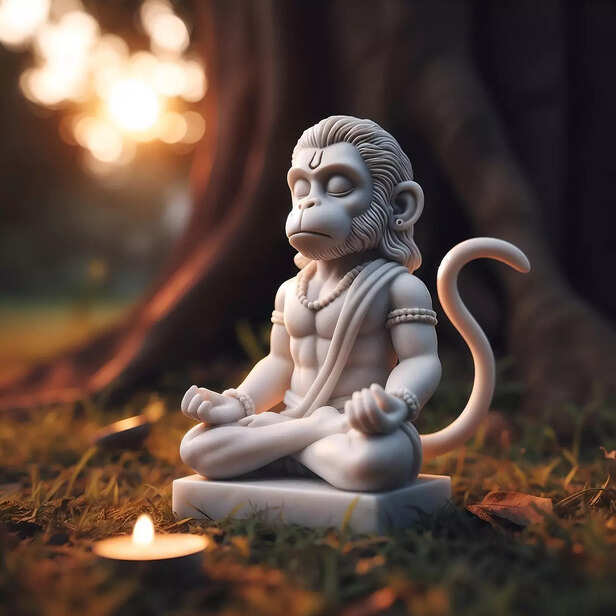
Hanuman
Image credit : Pixabay
In traditional Indian cosmology, Saturday is linked with Shani, the planet associated with karma, delay, responsibility, and self evaluation. Psychologically, these themes correspond to mental heaviness. The mind turns inward, questioning past actions and worrying about outcomes that cannot be immediately controlled.
Ancient traditions understood that when the mind is burdened by consequence, it needs strength, not stimulation. Hanuman represents precisely this form of strength. He embodies stability under pressure, not emotional fluctuation. Remembering Hanuman on Saturday was meant to counter mental fatigue with inner firmness.
2. Hanuman Symbolizes Control Over the Restless Mind
Saturday energy is slow and restrictive. It exposes impatience and restlessness. Hanuman’s nature directly opposes this agitation. He teaches that power without control leads to chaos, while controlled strength leads to clarity. This is why mental steadiness, not emotional excitement, is emphasized in Hanuman worship on Saturdays.
3. The Association With Silence and Reduced Stimulation

Hanuman Ji Temple Rituals
Image credit : Freepik
Traditional Saturday practices emphasize silence, minimalism, and restraint. Loud celebrations are avoided. Excessive indulgence is discouraged. This is not accidental. Ancient thinkers understood that mental resilience grows in stillness.
Hanuman is often remembered as the embodiment of focused action arising from inner quiet. His strength was never impulsive. On Saturdays, remembering Hanuman encourages mental detox. The mind is allowed to rest from excess input and regain clarity. This supports emotional regulation and reduces anxiety.
4. Hanuman as the Guardian Against Fear
Hanuman is consistently described as fearless, not because he was unaware of danger, but because his mind was anchored in purpose. His remembrance strengthens courage without aggression. This is why people experiencing anxiety, insecurity, or persistent mental pressure are advised to connect with Hanuman on Saturdays.
5. Strength Without Ego as a Mental Ideal
Saturday energy exposes ego based insecurities. Failures feel heavier. Delays feel personal. Hanuman’s example teaches how to remain mentally stable without validation. His worship on Saturday reminds the mind that worth is not measured by immediate success but by integrity and endurance.
6. Discipline as a Foundation of Mental Health
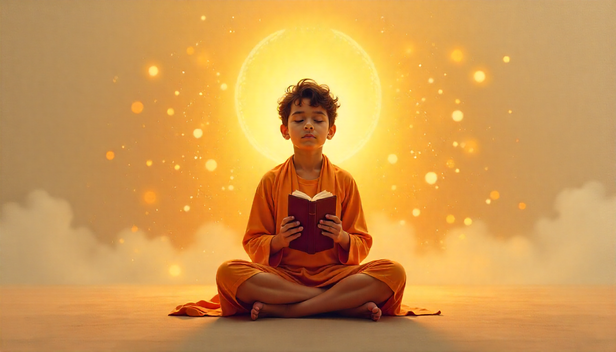
Benefits of chanting Hanuman Chalisa
Image credit : Freepik
Hanuman is often associated with discipline, celibacy, and routine. Modern psychology recognizes discipline as essential for mental resilience. Irregular habits weaken emotional stability.
Saturday practices involving Hanuman emphasize routine acts such as reading the Hanuman Chalisa, lighting a simple lamp, or maintaining dietary restraint. These repetitive actions ground the mind. They create predictability, which stabilizes emotions during periods of uncertainty.
7. The Link Between Physical Strength and Mental Endurance
Saturday worship often includes oil lamps and grounded rituals symbolizing lubrication of effort and patience. These practices subtly reinforce the connection between bodily discipline and mental endurance. A steady body supports a steady mind.
8. Hanuman as the Counterbalance to Mental Fatigue
Hanuman’s stories consistently show endurance during prolonged challenges. His relevance lies not in sudden victory but in sustained effort. Remembering him on Saturdays reframes delay as preparation rather than punishment. This perspective protects mental health by reducing frustration.