
Why Hanuman Is Worshipped So Differently in Every Indian State
Nidhi | Feb 23, 2026, 22:04 IST

hanuman
Image credit : Pexels
Hanuman is worshipped across India, but his form, rituals, and symbolism vary from state to state. In North India, he is Sankat Mochan, the remover of obstacles, while in the South he appears as Anjaneya, the disciplined devotee. From village guardian shrines to grand temple traditions, regional culture, Ramayana versions, and devotional movements have shaped how Hanuman bhakti is practiced differently across India. Here is why one deity carries many meanings.
“मनोजवं मारुततुल्यवेगं
जितेन्द्रियं बुद्धिमतां वरिष्ठम्।
वातात्मजं वानरयूथमुख्यं
श्रीरामदूतं शरणं प्रपद्ये॥”
Fast as the mind, strong as the wind, disciplined in the senses, supreme in wisdom. This ancient verse describes Hanuman in four lines, yet across India, those four qualities unfold in remarkably different ways.
Travel from Varanasi to Madurai, from Hampi to Amritsar, and you will find Hanuman everywhere. But he does not look the same. He is not prayed to in the same tone. He does not symbolize the same need. In one region he is power. In another he is surrender. Somewhere else he is discipline. Elsewhere he is protection.
Why does one deity take on so many forms within the same country?
The answer lies not in contradiction, but in context. Hanuman’s worship reflects the emotional, cultural, and historical priorities of each region. India did not change Hanuman. India revealed different dimensions of him.
![Lord Hanuman]()
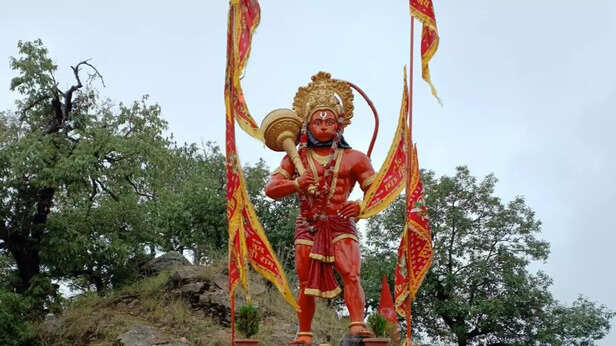
In much of North India, Hanuman is invoked as Sankat Mochan, the remover of distress. This image became especially powerful after the sixteenth century when Tulsidas composed the Ramcharitmanas and the Hanuman Chalisa in Awadhi, making devotion accessible to common people.
Here, Hanuman is worshipped as immediate strength in times of fear, illness, court cases, competition, or personal crisis. Tuesdays and Saturdays see long queues in temples. Sindoor is applied generously to his idol because tradition associates it with protection and loyalty.
The focus is direct. Devotees approach him with urgency. He represents courage, intervention, and visible power. This reflects a region historically shaped by invasions, political instability, and social churn. The need for divine protection shaped the form of devotion.
In Tamil Nadu, Karnataka, and Andhra Pradesh, Hanuman often appears as Anjaneya in a composed posture, hands folded, sometimes in meditation. The emphasis shifts from physical power to disciplined devotion.
Southern Ramayana traditions such as Kamba Ramayanam highlight Hanuman’s intelligence, humility, and unwavering surrender to Rama. In Karnataka, especially near Hampi which is associated with Kishkindha, Hanuman is tied deeply to sacred geography.
Temple rituals in the South are structured, Vedic, and precise. Hanuman is integrated into Vaishnavite traditions as the perfect servant of the divine. Here he becomes a model of self control and inner strength rather than outward aggression.
The regional culture values philosophical depth and ritual order, and Hanuman reflects that tone.
In Maharashtra, Hanuman worship was significantly shaped by the seventeenth century saint Samarth Ramdas. During a period of political struggle, Hanuman was presented as a symbol of physical fitness, courage, and social unity.
Temples were established not just as places of prayer but as centers of discipline. Hanuman here represents collective strength and national confidence. His muscular form and upright stance became a cultural statement.
This was not accidental. When a society seeks resilience, it amplifies the warrior dimension of Hanuman.
![Hanuman]()
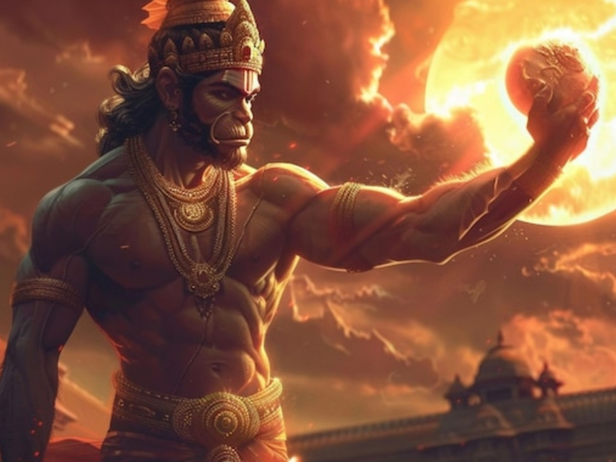
Across parts of Gujarat, Madhya Pradesh, Odisha, and rural Maharashtra, Hanuman shrines are often located at village entrances. Here he functions as a guardian deity.
This form blends classical Ramayana devotion with local folk traditions. He is invoked to protect crops, ward off negative forces, and guard communities. The worship is simpler, less formal, and closely tied to daily survival.
The symbolism here is practical. Hanuman stands at the edge of settlement not just spiritually but physically. The community sees him as a protector of collective well being.
India does not have one Ramayana. It has many. Valmiki’s Sanskrit epic, Tulsidas’ Ramcharitmanas, Kamba Ramayanam in Tamil, and other regional retellings each highlight different aspects of Hanuman’s character.
In some versions, his intellect is emphasized. In others, his devotion. In still others, his strength. These literary traditions influence temple imagery, devotional songs, and ritual practices.
Language shapes theology. Theology shapes worship.
Ultimately, Hanuman’s regional diversity reflects what each community seeks most.
Where society faces instability, he becomes the protector.
Where discipline and philosophy are central, he becomes the yogi.
Where unity is needed, he becomes the symbol of collective strength.
Where daily survival dominates life, he becomes the guardian.
Hanuman’s personality is broad enough to accommodate all these interpretations without contradiction. Strength and humility are not opposites. Devotion and power coexist within him.
जितेन्द्रियं बुद्धिमतां वरिष्ठम्।
वातात्मजं वानरयूथमुख्यं
श्रीरामदूतं शरणं प्रपद्ये॥”
Fast as the mind, strong as the wind, disciplined in the senses, supreme in wisdom. This ancient verse describes Hanuman in four lines, yet across India, those four qualities unfold in remarkably different ways.
Travel from Varanasi to Madurai, from Hampi to Amritsar, and you will find Hanuman everywhere. But he does not look the same. He is not prayed to in the same tone. He does not symbolize the same need. In one region he is power. In another he is surrender. Somewhere else he is discipline. Elsewhere he is protection.
Why does one deity take on so many forms within the same country?
The answer lies not in contradiction, but in context. Hanuman’s worship reflects the emotional, cultural, and historical priorities of each region. India did not change Hanuman. India revealed different dimensions of him.
1. In the North, He Is the Protector and Problem Solver
Lord Hanuman
Image credit : Pexels
In much of North India, Hanuman is invoked as Sankat Mochan, the remover of distress. This image became especially powerful after the sixteenth century when Tulsidas composed the Ramcharitmanas and the Hanuman Chalisa in Awadhi, making devotion accessible to common people.
Here, Hanuman is worshipped as immediate strength in times of fear, illness, court cases, competition, or personal crisis. Tuesdays and Saturdays see long queues in temples. Sindoor is applied generously to his idol because tradition associates it with protection and loyalty.
The focus is direct. Devotees approach him with urgency. He represents courage, intervention, and visible power. This reflects a region historically shaped by invasions, political instability, and social churn. The need for divine protection shaped the form of devotion.
2. In the South, He Is the Ideal Devotee and Yogi
Southern Ramayana traditions such as Kamba Ramayanam highlight Hanuman’s intelligence, humility, and unwavering surrender to Rama. In Karnataka, especially near Hampi which is associated with Kishkindha, Hanuman is tied deeply to sacred geography.
Temple rituals in the South are structured, Vedic, and precise. Hanuman is integrated into Vaishnavite traditions as the perfect servant of the divine. Here he becomes a model of self control and inner strength rather than outward aggression.
The regional culture values philosophical depth and ritual order, and Hanuman reflects that tone.
3. In Western India, He Became a Symbol of Strength and Unity
Temples were established not just as places of prayer but as centers of discipline. Hanuman here represents collective strength and national confidence. His muscular form and upright stance became a cultural statement.
This was not accidental. When a society seeks resilience, it amplifies the warrior dimension of Hanuman.
4. In Rural Regions, He Is the Guardian of Boundaries
Hanuman
Image credit : Freepik
Across parts of Gujarat, Madhya Pradesh, Odisha, and rural Maharashtra, Hanuman shrines are often located at village entrances. Here he functions as a guardian deity.
This form blends classical Ramayana devotion with local folk traditions. He is invoked to protect crops, ward off negative forces, and guard communities. The worship is simpler, less formal, and closely tied to daily survival.
The symbolism here is practical. Hanuman stands at the edge of settlement not just spiritually but physically. The community sees him as a protector of collective well being.
5. Different Ramayanas Create Different Hanumans
In some versions, his intellect is emphasized. In others, his devotion. In still others, his strength. These literary traditions influence temple imagery, devotional songs, and ritual practices.
Language shapes theology. Theology shapes worship.
6. Social Needs Shape Spiritual Emphasis
Where society faces instability, he becomes the protector.
Where discipline and philosophy are central, he becomes the yogi.
Where unity is needed, he becomes the symbol of collective strength.
Where daily survival dominates life, he becomes the guardian.
Hanuman’s personality is broad enough to accommodate all these interpretations without contradiction. Strength and humility are not opposites. Devotion and power coexist within him.