
Why Hanuman Ji Is Rarely Worshipped Alone
Nidhi | Mar 24, 2026, 11:31 IST

Hanuman
Image credit : Pexels
Why is Hanuman Ji almost always seen with Lord Rama and rarely worshipped alone? The answer lies in his identity as the ultimate devotee and the deeper philosophy of bhakti in Hinduism. This article explores the real spiritual meaning behind Hanuman Ji’s worship and why his presence is always connected to Rama.
“राम काज कीन्हे बिना, मोहि कहाँ विश्राम।”
(Without serving Lord Rama, I find no rest)
There is something deeply unique about Hanuman Ji.
Temples dedicated to him exist in every corner of India. His name is chanted for strength, protection, and courage. Millions recite the Hanuman Chalisa daily, seeking blessings and relief from troubles.
And yet, when you look closely at traditional worship, a pattern quietly appears.
Hanuman Ji is rarely worshipped alone.
He is almost always seen with Lord Rama, Sita, and Lakshman. Even in independent temples, his identity is constantly connected to Rama.
This is not a coincidence. It is a reflection of one of the deepest spiritual ideas in Hindu philosophy.
![Important Values From Lord Hanuman for Children]()
Hanuman Ji is considered the ideal devotee of Lord Rama, representing the highest form of bhakti. His identity is not built around power or authority, but around devotion.
In texts like the Rama Rahasya Upanishad, Hanuman is described as the one who leads seekers toward the ultimate truth, which is Lord Rama.
Hanuman Ji’s entire character is built on his relationship with Rama.
![Discipline And Focus Through Daily Chanting]()
Hanuman Ji represents the rare state where ego completely dissolves.
Worshipping Hanuman Ji alone would contradict this essence. His greatness lies in not standing independently, but in merging himself with divine purpose.
Most deities are approached with specific desires, wealth, success, health, or relief from problems.
Hanuman Ji’s worship is fundamentally different.
This naturally aligns him with Rama, as devotion ultimately leads to the divine.
Across India, Hanuman Ji is widely worshipped, but his identity remains tied to Rama in rituals and traditions.
(Without serving Lord Rama, I find no rest)
There is something deeply unique about Hanuman Ji.
Temples dedicated to him exist in every corner of India. His name is chanted for strength, protection, and courage. Millions recite the Hanuman Chalisa daily, seeking blessings and relief from troubles.
And yet, when you look closely at traditional worship, a pattern quietly appears.
Hanuman Ji is rarely worshipped alone.
He is almost always seen with Lord Rama, Sita, and Lakshman. Even in independent temples, his identity is constantly connected to Rama.
This is not a coincidence. It is a reflection of one of the deepest spiritual ideas in Hindu philosophy.
1. Hanuman Ji Is the Ultimate Bhakt, Not a Separate Supreme Power
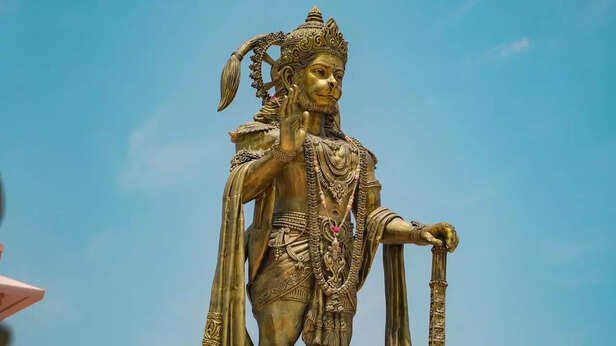
Important Values From Lord Hanuman for Children
Image credit : Pexels
Hanuman Ji is considered the ideal devotee of Lord Rama, representing the highest form of bhakti. His identity is not built around power or authority, but around devotion.
- In the Ramayana, his role is entirely centered on serving Rama, from finding Sita to helping defeat Ravana
- His strength, wisdom, and courage are always used for Rama’s mission, not for personal gain
- Even sacred texts and traditions consistently describe him as “Ram bhakt” rather than an independent ruler
2. Scriptures Present Him as a Bridge to the Divine
- Rama is presented as the supreme reality or Brahman
- Hanuman is the medium through which one reaches that divine state
- His role is not to replace the divine, but to guide devotees toward it
3. His Identity Is Defined by His Relationship with Rama
- The Ramayana describes their bond as one of deep loyalty, trust, and devotion
- Rama himself acknowledges Hanuman’s devotion and considers him indispensable
- Their connection is not just emotional, it is spiritual, representing the bond between devotee and divine
4. Symbol of Ego Dissolution and Complete Surrender
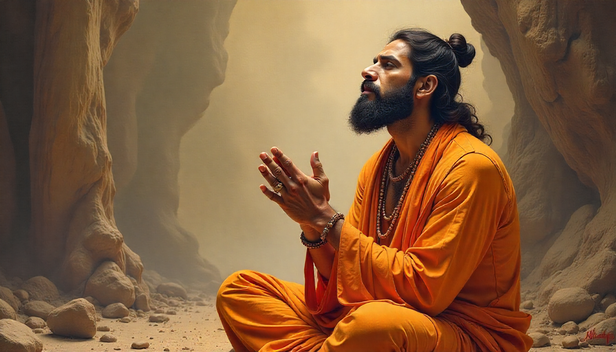
Discipline And Focus Through Daily Chanting
Image credit : Freepik
Hanuman Ji represents the rare state where ego completely dissolves.
- He never claims credit for his achievements
- Despite possessing immense strength and intelligence, he attributes everything to Rama
- His life reflects the idea that true power comes from surrender, not self-importance
Worshipping Hanuman Ji alone would contradict this essence. His greatness lies in not standing independently, but in merging himself with divine purpose.
5. Devotion Over Desire Defines His Worship
Hanuman Ji’s worship is fundamentally different.
- It emphasizes devotion, discipline, and inner strength
- The Hanuman Chalisa itself focuses on his qualities, courage, wisdom, and service
- Devotees seek protection and strength, but are also guided toward a deeper spiritual path
This naturally aligns him with Rama, as devotion ultimately leads to the divine.
6. Cultural and Temple Traditions Reinforce This Connection
- Many temples refer to him as “Siya Ram Bhakt Hanuman,” emphasizing his devotion
- He is often placed at the entrance of Rama temples as a guardian and devotee
- Devotional practices like Ramayana recitations always include Hanuman as an inseparable part of the narrative