
Why Hanuman Temples Often Have No Roof Above the Idol
Nidhi | Feb 25, 2026, 15:32 IST

Hanuman Ji
Image credit : Ai
Many Hanuman temples across India have idols placed under the open sky instead of a traditional roofed sanctum. Is it just architecture or does it carry deeper spiritual meaning? This article explores the religious symbolism, historical roots, and devotional beliefs behind why some Hanuman idols remain uncovered. From boundless strength to guardian symbolism, discover the powerful reasons behind this unique temple tradition.
Across India, you might stumble upon a Hanuman temple where something feels unusual. The idol stands tall, powerful, glowing with sindoor and devotion but above him there is no ceiling. No dome. No carved roof. Just the endless sky.
Sunlight touches his face. Rain falls directly on his shoulders. Birds fly overhead.
It does not feel incomplete. It feels intentional.
While not every Hanuman temple follows this pattern, many do. And the absence of a roof is not random architecture. It carries symbolism, emotion, theology, and deep cultural memory. It tells you something about who Hanuman is and how devotees see him.
![Lord hanuman]()
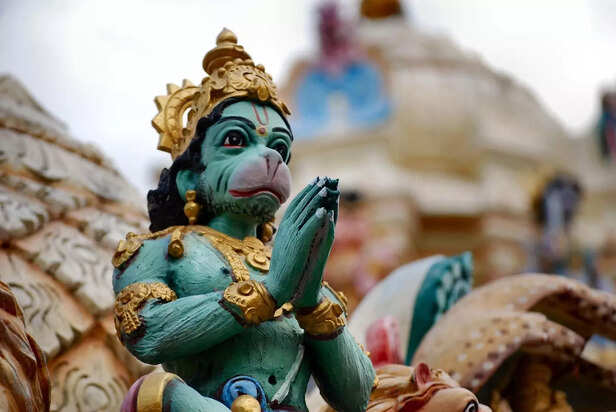
A roof suggests enclosure. Containment. Boundaries.
Leaving the idol open to the sky silently declares that Hanuman cannot be boxed in. His energy is limitless. His protection is expansive. His presence is not confined to four walls.
When devotees stand before an uncovered idol, they are subconsciously reminded that the strength they are praying for is not small. It is vast. Like the sky above.
A guardian does not sit indoors.
The open sky above Hanuman reinforces his alertness. It creates the image of a warrior standing watch day and night. No shelter. No retreat. No break.
For devotees facing personal battles, this imagery is deeply relatable. Life does not pause when things get difficult. Seeing Hanuman exposed to the elements symbolizes fearless vigilance.
Many early Hanuman shrines began as simple platforms under trees or in open grounds. Over time, even when structures were added, the open sanctum was preserved in some places to maintain that original simplicity.
This makes Hanuman feel accessible. Not distant. Not intimidating.
The open structure reflects a spiritual truth that devotion does not require grand architecture. Faith can exist under a tree. Under the sky. In the open.
![Hanuman]()
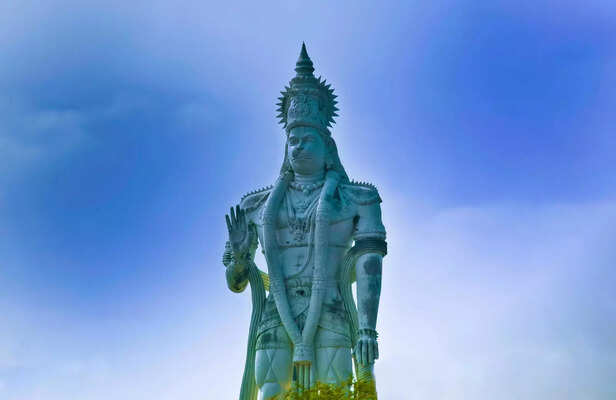
There is nothing between him and the heavens.
For devotees, this becomes a subtle reminder. True devotion should also be free of barriers. Ego, pride, fear, and doubt often become the ceilings in our own spiritual lives.
An open sanctum becomes a visual lesson in openness of heart.
This is not accidental symbolism. Hanuman represents resilience. Courage. Endurance.
Devotees often visit Hanuman during times of stress, fear, exams, legal troubles, health crises, or emotional pain. Seeing the deity stand exposed yet unmoved reinforces a powerful message.
Strength is not about comfort. It is about steadiness.
The open sky becomes a reminder that challenges are natural, but firmness of faith keeps you standing.
The open design reflects this accessibility.
No grand corridors. No intimidating enclosures. Just a deity under the sky, available to all.
It sends a message that divine help does not require appointment slots or architectural grandeur. It is immediate. Direct. Open.
Sunlight touches his face. Rain falls directly on his shoulders. Birds fly overhead.
It does not feel incomplete. It feels intentional.
While not every Hanuman temple follows this pattern, many do. And the absence of a roof is not random architecture. It carries symbolism, emotion, theology, and deep cultural memory. It tells you something about who Hanuman is and how devotees see him.
1. Power That Refuses to Be Contained
Lord hanuman
Image credit : Pixabay
A roof suggests enclosure. Containment. Boundaries.
Leaving the idol open to the sky silently declares that Hanuman cannot be boxed in. His energy is limitless. His protection is expansive. His presence is not confined to four walls.
When devotees stand before an uncovered idol, they are subconsciously reminded that the strength they are praying for is not small. It is vast. Like the sky above.
2. A Guardian Who Never Hides
A guardian does not sit indoors.
The open sky above Hanuman reinforces his alertness. It creates the image of a warrior standing watch day and night. No shelter. No retreat. No break.
For devotees facing personal battles, this imagery is deeply relatable. Life does not pause when things get difficult. Seeing Hanuman exposed to the elements symbolizes fearless vigilance.
3. Devotion Rooted in Simplicity
Many early Hanuman shrines began as simple platforms under trees or in open grounds. Over time, even when structures were added, the open sanctum was preserved in some places to maintain that original simplicity.
This makes Hanuman feel accessible. Not distant. Not intimidating.
The open structure reflects a spiritual truth that devotion does not require grand architecture. Faith can exist under a tree. Under the sky. In the open.
4. Sky as Symbol of Direct Connection
Hanuman
Image credit : Pexels
There is nothing between him and the heavens.
For devotees, this becomes a subtle reminder. True devotion should also be free of barriers. Ego, pride, fear, and doubt often become the ceilings in our own spiritual lives.
An open sanctum becomes a visual lesson in openness of heart.
5. Strength That Faces Sun, Rain, and Storm
This is not accidental symbolism. Hanuman represents resilience. Courage. Endurance.
Devotees often visit Hanuman during times of stress, fear, exams, legal troubles, health crises, or emotional pain. Seeing the deity stand exposed yet unmoved reinforces a powerful message.
Strength is not about comfort. It is about steadiness.
The open sky becomes a reminder that challenges are natural, but firmness of faith keeps you standing.
6. Faith Without Barriers
The open design reflects this accessibility.
No grand corridors. No intimidating enclosures. Just a deity under the sky, available to all.
It sends a message that divine help does not require appointment slots or architectural grandeur. It is immediate. Direct. Open.