
Why Karma Doesn’t Punish Everyone in This Lifetime
Riya Kumari | Sep 05, 2025, 23:49 IST

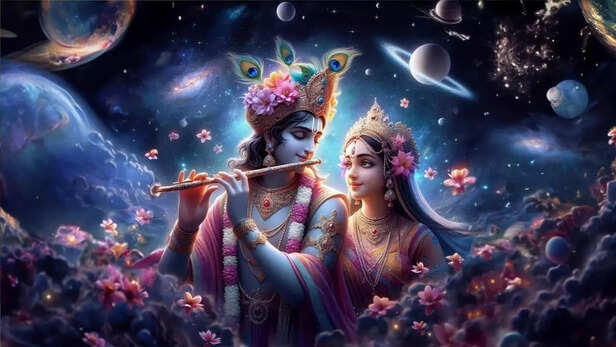
Krishna
Image credit : AI
We have all asked this question in silence: Why do good people suffer while the unjust seem untouched? When liars succeed and the selfish flourish, it shakes our faith in karma itself. Karma does not work to please our sense of fairness in the moment. It works to guide the eternal journey of the soul. Justice is not denied; it is only unfolding beyond the limits of what we see today.
It unsettles us when we see the corrupt rise, the arrogant prosper, and the cruel live in comfort. Our heart protests, if karma is real, why are such people not punished right now? This question is not new. It has echoed across centuries in every culture, but Hindu wisdom has given it some of the deepest answers known to humanity. The Vedas, Upanishads, Puranas, and the Bhagavad Gita all remind us: karma is not a short-term transaction. It is not a “pay now, receive now” calculation. Karma is as old, patient, and exact as the law of creation itself. To see it clearly, we must step beyond our limited sense of time.
The Long Arc of Karma
![Universe]()
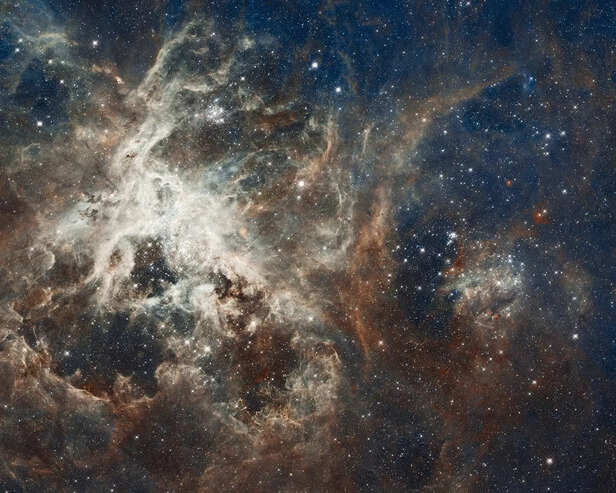
The Rig Veda speaks of rita, the cosmic order that sustains the universe. Karma is born from this principle. Every thought, every word, every act leaves an imprint in this order. But unlike human justice, karma does not run on deadlines set by us.
The Mahabharata explains that a soul carries its karmic account across lifetimes. Someone may appear untouched by their misdeeds in this life, but their account is not erased. The Vishnu Purana assures us: “The fruits of actions may be delayed, but they never perish.”
Why the Delay Happens
![Delay]()
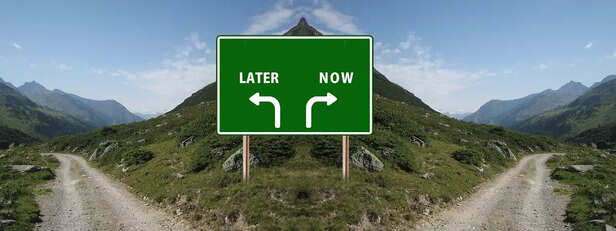
To the impatient mind, delay feels like injustice. But scriptures show that delay is divine precision. The Padma Purana says karma ripens only when the soul is ready to face it. Too early, and the punishment could destroy instead of teaching. Too soon, and the reward could be wasted on an unprepared heart.
The Bhagavad Gita adds another dimension: even the worst sinner can turn if given space for repentance. The universe, in its compassion, allows that chance. Karma is not just about punishment, it is also about transformation.
The Unseen Balance
![Peace]()
We measure life in visible terms, money, power, health, reputation. But karma operates at deeper levels. A person may live in luxury yet suffer sleepless nights, hollow relationships, or a restless mind. The Brihadaranyaka Upanishad teaches that the real fruit of karma is experienced in the evolution of the soul, not in the wealth of circumstances. What looks like escape may in truth be a heavier bondage.
In the Puranas, Asuras often enjoyed kingdoms, wealth, and strength. Yet their arrogance blinded them, ensuring their eventual ruin. To ordinary eyes, they seemed victorious. To the eye of wisdom, they were already trapped in their own downfall.
What This Means for Us
![Krishna]()
So what should we do when we see injustice thrive?
The Gita guides us: do not lose faith. Act according to dharma, without being attached to the results. We are not called to be judges of others’ karma. We are called to be guardians of our own.
The Chandogya Upanishad explains that just as a seed needs time, rain, and soil before becoming a tree, karma too requires its conditions before bearing fruit. The universe is not negligent, it is exact. Nothing is forgotten, nothing goes unbalanced.
The Final Truth
The truth is simple, though hard to accept: karma is certain, but not always immediate. Some debts clear in this lifetime; others continue into the next. When wrongdoers seem to “escape,” we must not mistake delay for absence. The order of the cosmos is too precise for anything to go unaccounted.
Our task is not to demand when others will fall, but to walk our own path with clean hands and steady hearts. Karma is not merely a whip of retribution, it is a mirror of learning. And though the mirror may take time to reflect, it never fails to show the truth.
When we stop asking “Why are they not punished yet?” and begin asking “Am I walking rightly myself?”, we shift from despair to strength. That is the real gift of karma. Not fear, but clarity. Not revenge, but freedom.
The Long Arc of Karma
Universe
Image credit : Pixabay
The Rig Veda speaks of rita, the cosmic order that sustains the universe. Karma is born from this principle. Every thought, every word, every act leaves an imprint in this order. But unlike human justice, karma does not run on deadlines set by us.
The Mahabharata explains that a soul carries its karmic account across lifetimes. Someone may appear untouched by their misdeeds in this life, but their account is not erased. The Vishnu Purana assures us: “The fruits of actions may be delayed, but they never perish.”
Why the Delay Happens
Delay
Image credit : Pixabay
To the impatient mind, delay feels like injustice. But scriptures show that delay is divine precision. The Padma Purana says karma ripens only when the soul is ready to face it. Too early, and the punishment could destroy instead of teaching. Too soon, and the reward could be wasted on an unprepared heart.
The Bhagavad Gita adds another dimension: even the worst sinner can turn if given space for repentance. The universe, in its compassion, allows that chance. Karma is not just about punishment, it is also about transformation.
The Unseen Balance

Peace
Image credit : Pixabay
We measure life in visible terms, money, power, health, reputation. But karma operates at deeper levels. A person may live in luxury yet suffer sleepless nights, hollow relationships, or a restless mind. The Brihadaranyaka Upanishad teaches that the real fruit of karma is experienced in the evolution of the soul, not in the wealth of circumstances. What looks like escape may in truth be a heavier bondage.
In the Puranas, Asuras often enjoyed kingdoms, wealth, and strength. Yet their arrogance blinded them, ensuring their eventual ruin. To ordinary eyes, they seemed victorious. To the eye of wisdom, they were already trapped in their own downfall.
What This Means for Us
Krishna
Image credit : Pixabay
So what should we do when we see injustice thrive?
The Gita guides us: do not lose faith. Act according to dharma, without being attached to the results. We are not called to be judges of others’ karma. We are called to be guardians of our own.
The Chandogya Upanishad explains that just as a seed needs time, rain, and soil before becoming a tree, karma too requires its conditions before bearing fruit. The universe is not negligent, it is exact. Nothing is forgotten, nothing goes unbalanced.
The Final Truth
Our task is not to demand when others will fall, but to walk our own path with clean hands and steady hearts. Karma is not merely a whip of retribution, it is a mirror of learning. And though the mirror may take time to reflect, it never fails to show the truth.
When we stop asking “Why are they not punished yet?” and begin asking “Am I walking rightly myself?”, we shift from despair to strength. That is the real gift of karma. Not fear, but clarity. Not revenge, but freedom.