
Why Krishna Gave His Whole Army to Duryodhan
Nidhi | 2ec 02, 2025, 16:05 IST

Mahabharata
Image credit : Ai
In the Mahabharata, one of the most surprising moments is when Krishna gives his entire Narayani Sena to Duryodhan and chooses to support Arjun unarmed. At first, the decision seems confusing, but its deeper meaning reveals itself through dharma, karma, free will and the contrast between outer power and inner clarity. This article explains those layers in a simple, engaging way, showing how Krishna’s choice shaped the Kurukshetra War and reminding us that real victory comes from wisdom, purpose and alignment with righteousness, not just military strength.
As the Kurukshetra War neared, Arjun and Duryodhan went together to seek Krishna’s support. Krishna offered a simple but surprising choice: one could take his mighty Narayani Sena, and the other could choose Krishna himself — unarmed and refusing to fight. To everyone’s shock, Krishna gave his entire army to Duryodhan and chose to stand beside Arjun without lifting a weapon.
At first, this decision seemed strange. Why would Krishna give his greatest military strength to the side standing against dharma? Why empower injustice and appear to weaken righteousness? The real reason behind this choice lies in deeper layers of karma, consciousness and the true meaning of dharma.
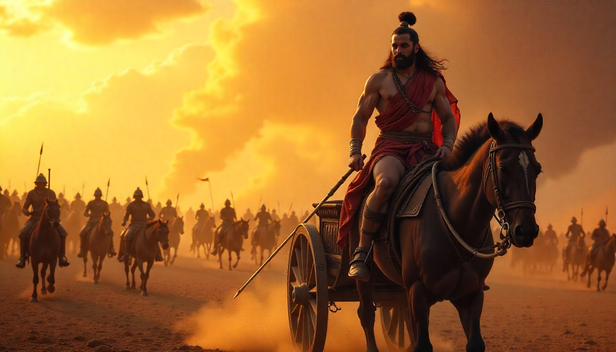
![Mahabharat]() Krishna never imposed dharma through force. He allowed individuals to reveal their inner character through the choices they made. When he offered the two options — one being his entire army and the other being his own presence without weapons — each prince naturally gravitated toward what matched his mindset.
Krishna never imposed dharma through force. He allowed individuals to reveal their inner character through the choices they made. When he offered the two options — one being his entire army and the other being his own presence without weapons — each prince naturally gravitated toward what matched his mindset.
This moment was not merely a political decision. It was a revelation. Krishna did not influence the choice. He created a situation that exposed the consciousness of both men. In doing so, he allowed destiny to unfold through their own decisions, not divine manipulation.
The two options Krishna placed on the table symbolised two distinct paths: visible strength and subtle wisdom. One represented physical dominance, the other represented moral and strategic clarity. Both options were powerful, but in entirely different ways.
By choosing the army, one side aligned with the visible and materialistic approach to war. By choosing Krishna’s presence, the other aligned with the inner, mental, and spiritual dimension of leadership. Krishna’s neutrality in offering both ensured that each side received support in a form that matched its inner alignment.
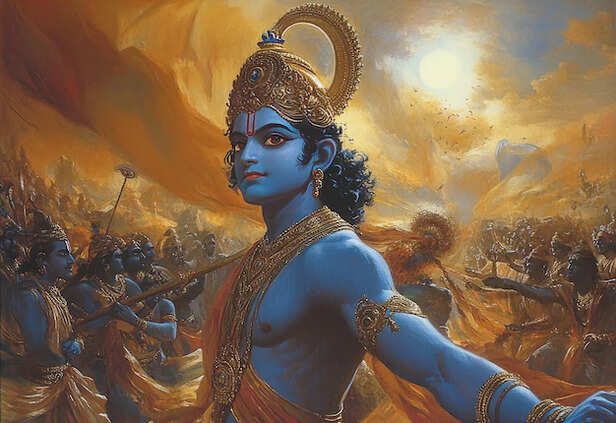
![lord Krishna in Mahabharat]() The Narayani Sena was unmatched in training and physical power. They were formidable warriors who could tilt any battlefield. But Krishna himself represented something far more influential than soldiers: the ability to perceive situations clearly, guide at the right moments, adapt to changing realities, and hold unwavering focus on dharma.
The Narayani Sena was unmatched in training and physical power. They were formidable warriors who could tilt any battlefield. But Krishna himself represented something far more influential than soldiers: the ability to perceive situations clearly, guide at the right moments, adapt to changing realities, and hold unwavering focus on dharma.
By giving military strength to one side and keeping strategic consciousness for the other, Krishna created a balanced field where victory would depend not on brute force alone but on clarity, purpose and correct action. This separation made the war not just a clash of armies, but a test of intentions.
The Mahabharata is fundamentally a story of karma. Every action has consequences, and every consequence must unfold in its time. Had Krishna provided both his guidance and his army to the Pandavas, the war would have ended before it began, and karmic results would be denied the space to manifest.
Years of injustice — from deceit in the dice game to the humiliation of Draupadi — required a moral resolution. By giving one side physical power and the other divine guidance, Krishna allowed karma to act without interference. The destruction that followed was not caused by Krishna’s intervention but by the accumulated actions of the Kauravas themselves.
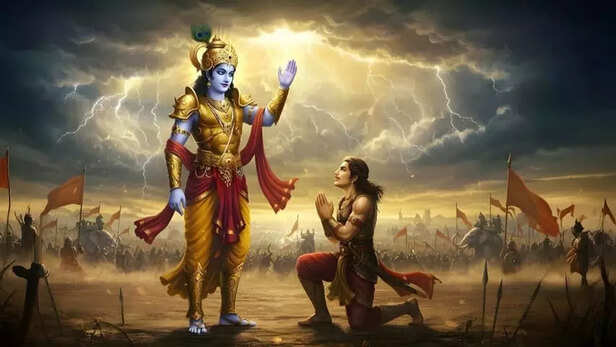
![Krishna and Arjun in Mahabharata]() A dharmic victory must never appear biased or pre-decided. Krishna’s neutrality was essential to prevent any future argument that the victory was achieved through divine overpowering rather than through righteousness.
A dharmic victory must never appear biased or pre-decided. Krishna’s neutrality was essential to prevent any future argument that the victory was achieved through divine overpowering rather than through righteousness.
By dividing his support in two contrasting forms — military and moral — Krishna made the battlefield fair. Neither side could claim that dharma was imposed upon them. The final outcome would arise from choices, actions, and moral alignment. This fairness preserved the sanctity of dharma-yuddha.
One of the greatest reasons Krishna remained weaponless was that the world needed the Bhagavad Gita. The moment Arjun collapsed in confusion, only Krishna could guide him into clarity. That guidance could happen only if Krishna was present as a mentor, not a warrior.
If Krishna had chosen to fight with weapons, the Gita would never have been spoken. Humanity would lose the eternal teachings on duty, detachment, devotion, and consciousness. The war became a backdrop for the transmission of divine wisdom that shaped world philosophy for thousands of years.
The moment of choice symbolised a universal truth about human psychology. Some people chase visible power, convinced it guarantees success. Others understand that the right guidance can outweigh the strongest army. Krishna’s offer became a timeless demonstration of this contrast.
The selection of either the army or Krishna was not about numbers or sentiment. It was about the maturity of understanding. The battlefield exposed how differently two minds can interpret the same situation — one through ego, the other through awareness. Krishna used this moment to show that the decisions made before war shape the outcome more than war itself.
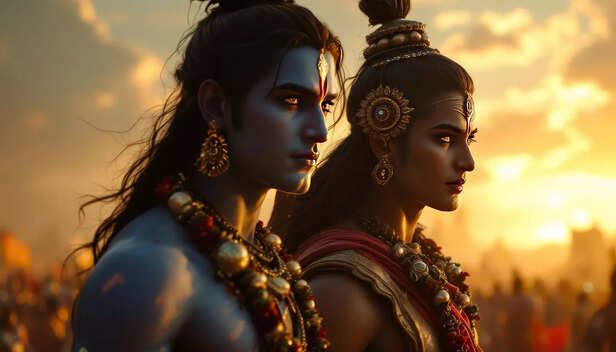
![Krishna and Arjuna]() Even though Krishna’s army was extraordinarily powerful, its alignment remained with Krishna’s values. Power without dharma has no lasting foundation. No matter how mighty, a force fighting for the wrong cause eventually collapses under the weight of its own intentions.
Even though Krishna’s army was extraordinarily powerful, its alignment remained with Krishna’s values. Power without dharma has no lasting foundation. No matter how mighty, a force fighting for the wrong cause eventually collapses under the weight of its own intentions.
This truth lay beneath Krishna’s confidence. The army could fight for whoever chose it, but the deeper tide of the universe moves towards dharma. Physical strength without moral alignment weakens itself from within. In giving his army away, Krishna demonstrated that righteousness does not depend on numbers but on alignment with cosmic order.
At first, this decision seemed strange. Why would Krishna give his greatest military strength to the side standing against dharma? Why empower injustice and appear to weaken righteousness? The real reason behind this choice lies in deeper layers of karma, consciousness and the true meaning of dharma.
1. Krishna Allowed True Nature to Reveal Itself
Mahabharat
Image credit : Freepik
This moment was not merely a political decision. It was a revelation. Krishna did not influence the choice. He created a situation that exposed the consciousness of both men. In doing so, he allowed destiny to unfold through their own decisions, not divine manipulation.
2. Krishna Gave Options That Reflected Two Paths: Power or Wisdom
By choosing the army, one side aligned with the visible and materialistic approach to war. By choosing Krishna’s presence, the other aligned with the inner, mental, and spiritual dimension of leadership. Krishna’s neutrality in offering both ensured that each side received support in a form that matched its inner alignment.
3. Krishna Separated Strength From Strategy
lord Krishna in Mahabharat
Image credit : Freepik
By giving military strength to one side and keeping strategic consciousness for the other, Krishna created a balanced field where victory would depend not on brute force alone but on clarity, purpose and correct action. This separation made the war not just a clash of armies, but a test of intentions.
4. Krishna Ensured Karma Could Proceed Without Interruption
Years of injustice — from deceit in the dice game to the humiliation of Draupadi — required a moral resolution. By giving one side physical power and the other divine guidance, Krishna allowed karma to act without interference. The destruction that followed was not caused by Krishna’s intervention but by the accumulated actions of the Kauravas themselves.
5. Krishna Ensured the War Remained Fair and Unquestionable
Krishna and Arjun in Mahabharata
Image credit : Freepik
By dividing his support in two contrasting forms — military and moral — Krishna made the battlefield fair. Neither side could claim that dharma was imposed upon them. The final outcome would arise from choices, actions, and moral alignment. This fairness preserved the sanctity of dharma-yuddha.
6. Krishna Needed To Be Beside Arjun To Deliver the Gita
If Krishna had chosen to fight with weapons, the Gita would never have been spoken. Humanity would lose the eternal teachings on duty, detachment, devotion, and consciousness. The war became a backdrop for the transmission of divine wisdom that shaped world philosophy for thousands of years.
7. Krishna Revealed That Ego Grasps Power While Wisdom Chooses Presence
The selection of either the army or Krishna was not about numbers or sentiment. It was about the maturity of understanding. The battlefield exposed how differently two minds can interpret the same situation — one through ego, the other through awareness. Krishna used this moment to show that the decisions made before war shape the outcome more than war itself.
8. Military Power Cannot Sustain a Cause Misaligned With Dharma
Krishna and Arjuna
Image credit : Pixabay
This truth lay beneath Krishna’s confidence. The army could fight for whoever chose it, but the deeper tide of the universe moves towards dharma. Physical strength without moral alignment weakens itself from within. In giving his army away, Krishna demonstrated that righteousness does not depend on numbers but on alignment with cosmic order.