“धर्मो रक्षति रक्षितः।”Dharma protects those who protect it.The story of Lakshman staying awake for all 14 years of Shri Ram’s exile is one of the most extraordinary episodes of the Ramayana. It combines divine intervention, yogic discipline, cosmic symbolism, marital sacrifice, and strategic duty. Below is the cleanest, most cohesive, and most informative version of this mystery—explained through structured pointers, each written in complete, detailed paragraphs.
1. Lakshman’s Sleeplessness Began With a Divine Pact With Nidra Devi
![Lakshman]()
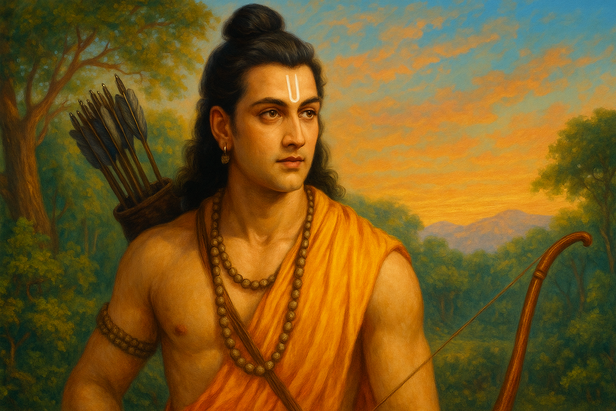
Lakshman
Image credit : Ai
According to Padma Purana and regional Ramayanas, Nidra Devi appeared before Lakshman on the first night of exile. Lakshman requested freedom from sleep so he could guard Ram and Sita without interruption. Since sleep cannot disappear from the cosmic cycle, Nidra Devi agreed by shifting his share of sleep elsewhere. This divine approval set the foundation for his 14-year wakefulness and ensured his body would not collapse from deprivation.
2. Urmila Accepted Lakshman’s Sleep and Became His Silent Protector
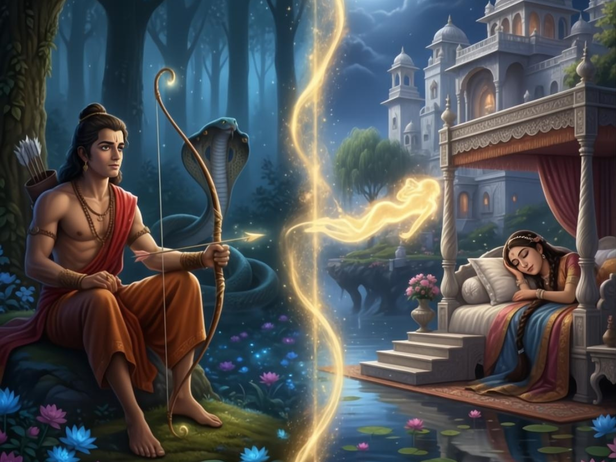
The lost hero of this story is Urmila, Lakshman’s wife. When Nidra Devi transferred Lakshman’s sleep to her, Urmila accepted it as her contribution to the mission. Her deep and prolonged rest kept Lakshman’s mind balanced and prevented the psychological breakdown that comes with sleep deprivation. Many scholars say his sleeplessness was possible only because Urmila became the vessel carrying his fatigue and dreams.
3. Lakshman’s Divine Identity as Sheshnag Made His Endurance Possible
![Lakshman Sacrifice]()
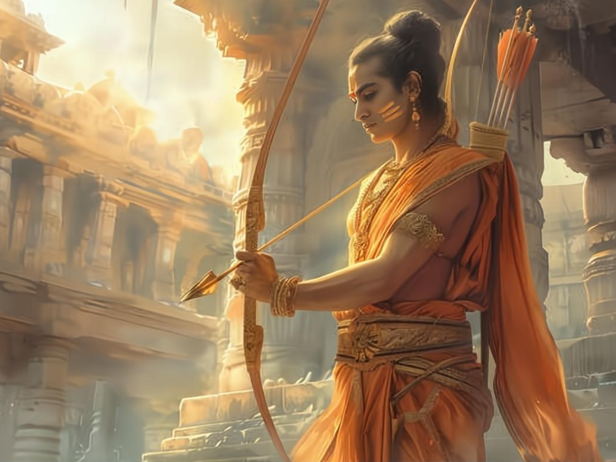
Lakshman Sacrifice
Image credit : Freepik
For 14 years Lakshman sacrifice his sleep
Lakshman is considered the incarnation of Sheshnag, the cosmic serpent who remains eternally awake and serves Lord Vishnu. Sheshnag’s very nature is constant awareness, and this divine identity carried into Lakshman’s human form. His sleeplessness therefore reflected his true cosmic role: just as Sheshnag protects Vishnu, Lakshman remained endlessly alert while guarding Ram, who is Vishnu incarnate.
4. His Brahmacharya During Exile Reduced the Body’s Need for Sleep
![Lakshman Urmila Sacrifice]()
Lakshman Urmila Sacrifice
Image credit : Freepik
When devotion replaces sleep, love becomes divine.
Throughout the exile, Lakshman lived in strict brahmacharya—mental and physical celibacy. Yogic philosophy explains that brahmacharya reduces physical fatigue, heightens concentration, and helps preserve vital energy. Lakshman’s disciplined lifestyle kept his senses sharp, his mind free of distraction, and his body capable of enduring long periods without rest. This self-control supported the divine boon and strengthened his natural alertness.
5. Lakshman Took On the Role of Night Guardian in Dangerous Forests
Valmiki Ramayana describes the forests of Dandakaranya as filled with Rakshasas, sorcerers, and night-time attacks. Most dangers peaked after sunset, making sleep risky for the exiled trio. Lakshman appointed himself the night guardian, ensuring Ram and Sita could rest without fear. His sleeplessness was therefore both purposeful and essential—it was the shield that protected their lives and ensured their mission continued safely.
6. His Wakefulness Reflects a Cosmic Balance Against Kumbhakarna’s Sleep
In the larger symbolism of the epic, Lakshman’s sleeplessness counterbalances Kumbhakarna’s excessive sleep. While Lakshman stayed awake out of devotion and discipline, Kumbhakarna slept due to a distorted boon. Their opposite conditions represent the cosmic duality of awareness versus ignorance, dharma versus adharma, and duty versus indulgence. This contrast highlights how the Ramayana balances its characters across spiritual extremes.
7. Lakshman’s First Sleep Came Only After the War Was Won
![The Untold Pain of Lakshman Rekha: Boundaries We Draw but Never Cross]()
The Untold Pain of Lakshman Rekha: Boundaries We Draw but Never Cross
Image credit : Freepik
After Ravana’s defeat and the restoration of peace, Lakshman finally allowed himself to sleep. Traditional retellings describe this moment as nature itself becoming still—the first true rest of a warrior who had held his vigil for 14 years. His sleep marked the completion of his duty, signaling that the mission he guarded day and night had reached its fulfillment.