
Why Does Shiva Ask for Leaves and Water Instead of Wealth and Gold?
Nidhi | Feb 05, 2026, 11:41 IST

Mahadev
Image credit : Ai
Why does Lord Shiva accept simple offerings like bel leaves and water instead of wealth and gold? This article explores the deeper spiritual, philosophical, and symbolic reasons behind Shiva’s unique worship practices. From the meaning of water abhishek to the importance of bel patra, it explains how Shiva’s simplicity reflects detachment, balance, and equality in devotion. A thoughtful look at how Shiva’s rituals challenge materialism and remind devotees of what truly matters.
In most aspects of life, value is measured by price. The more expensive something is, the more important it is assumed to be. Yet when it comes to Shiva, one of the most powerful forces in Hindu thought, the offerings are surprisingly simple. A handful of water. A few bel leaves. No demand for gold, silver, or grandeur.
This simplicity is not accidental or symbolic alone. It carries a deep message about life, ego, faith, and what truly matters. Shiva’s choice of offerings quietly questions the way humans chase success, devotion, and even God.
![Shiva Protecting Devotees from Darkness]()
Shiva represents pure awareness, not a personality driven by wants. Consciousness observes, it does not collect. Wealth belongs to the world of ownership and comparison, while Shiva exists beyond both.
When devotees offer leaves and water, they are reminded that the divine is not impressed by accumulation. Awareness cannot be bought. It can only be experienced. Shiva’s acceptance of simple offerings reflects the idea that inner clarity matters more than outer display.
Water is essential, accessible, and always moving. It adapts to every shape without resistance. This mirrors how life functions at its best.
By asking for water, Shiva points toward flexibility rather than control. Wealth often makes people rigid and fearful of loss. Water teaches movement, surrender, and continuity. The act of pouring water on the Shivlinga becomes a reminder that holding too tightly is against the natural rhythm of existence.
![Vasthu Shastra About Shivling Placement at Home Temple]()
Leaves are not chosen for decoration or luxury. They are chosen for what they sustain. Breath, growth, and renewal.
Bel leaves in particular are linked to balance within oneself. They quietly point to harmony between thought, action, and awareness. Unlike flowers meant to impress the eye, leaves turn attention inward. Shiva’s worship emphasizes inner alignment over outward perfection.
Gold often carries pride, even when offered in faith. It can easily become a way of proving worth, status, or superiority.
Shiva dissolves ego. Ash on his body symbolizes the end of all identities. Leaves and water cannot elevate anyone above another. A poor devotee and a powerful ruler stand equal. This makes Shiva worship deeply personal and free from social hierarchy.
Shiva’s world is not palaces but mountains, forests, rivers, and silence. His connection to nature is direct and raw.
Offering natural elements is a way of acknowledging that humans are not separate from the environment. It is a reminder to respect what sustains life rather than exploit it. Shiva’s preference quietly teaches reverence instead of ownership.
![Shiva]()
One of Shiva’s core teachings is vairagya, detachment. Not rejection of life, but freedom from bondage to desire.
Wealth binds. It creates fear of loss, hunger for more, and constant comparison. Leaves and water bind nothing. They are offered and released.
In this ritual simplicity, devotees practice letting go. The offering becomes less about pleasing Shiva and more about training the mind to release attachment. This is why Shiva worship is often associated with spiritual maturity rather than material ambition.
In devotional traditions, there is a clear idea that what matters is bhava, inner feeling, not bhandara, accumulation.
Shiva accepts intention, awareness, and sincerity. Leaves and water become vessels of inner state. They carry no distraction, no excess meaning imposed by society.
This is also why myths often describe Shiva being pleased by the simplest acts of devotion and unmoved by elaborate rituals performed without humility.
This simplicity is not accidental or symbolic alone. It carries a deep message about life, ego, faith, and what truly matters. Shiva’s choice of offerings quietly questions the way humans chase success, devotion, and even God.
1. Consciousness Does Not Need Possessions
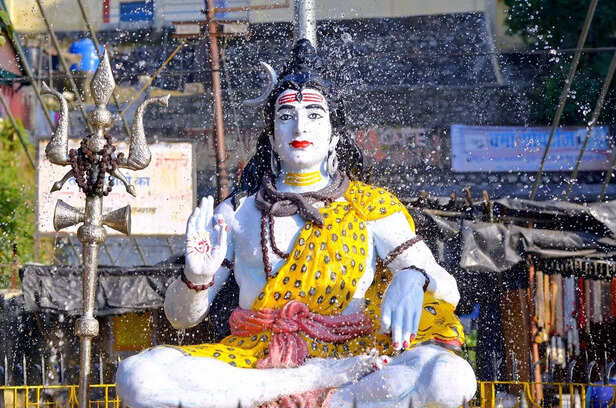
Shiva Protecting Devotees from Darkness
Image credit : Pixabay
Shiva represents pure awareness, not a personality driven by wants. Consciousness observes, it does not collect. Wealth belongs to the world of ownership and comparison, while Shiva exists beyond both.
When devotees offer leaves and water, they are reminded that the divine is not impressed by accumulation. Awareness cannot be bought. It can only be experienced. Shiva’s acceptance of simple offerings reflects the idea that inner clarity matters more than outer display.
2. Water Reflects How Life Is Meant to Flow
By asking for water, Shiva points toward flexibility rather than control. Wealth often makes people rigid and fearful of loss. Water teaches movement, surrender, and continuity. The act of pouring water on the Shivlinga becomes a reminder that holding too tightly is against the natural rhythm of existence.
3. Leaves Represent Balance Over Beauty
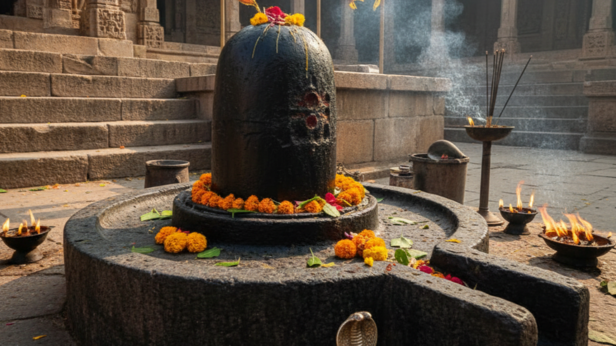
Vasthu Shastra About Shivling Placement at Home Temple
Image credit : Freepik
Leaves are not chosen for decoration or luxury. They are chosen for what they sustain. Breath, growth, and renewal.
Bel leaves in particular are linked to balance within oneself. They quietly point to harmony between thought, action, and awareness. Unlike flowers meant to impress the eye, leaves turn attention inward. Shiva’s worship emphasizes inner alignment over outward perfection.
4. Shiva Rejects Ego Disguised as Devotion
Shiva dissolves ego. Ash on his body symbolizes the end of all identities. Leaves and water cannot elevate anyone above another. A poor devotee and a powerful ruler stand equal. This makes Shiva worship deeply personal and free from social hierarchy.
5. Nature Is the True Offering
Offering natural elements is a way of acknowledging that humans are not separate from the environment. It is a reminder to respect what sustains life rather than exploit it. Shiva’s preference quietly teaches reverence instead of ownership.
6. Detachment Is Central to Shiva’s Teaching

Shiva
Image credit : Pixabay
One of Shiva’s core teachings is vairagya, detachment. Not rejection of life, but freedom from bondage to desire.
Wealth binds. It creates fear of loss, hunger for more, and constant comparison. Leaves and water bind nothing. They are offered and released.
In this ritual simplicity, devotees practice letting go. The offering becomes less about pleasing Shiva and more about training the mind to release attachment. This is why Shiva worship is often associated with spiritual maturity rather than material ambition.
7. Shiva Accepts Bhava, Not Bhandara
Shiva accepts intention, awareness, and sincerity. Leaves and water become vessels of inner state. They carry no distraction, no excess meaning imposed by society.
This is also why myths often describe Shiva being pleased by the simplest acts of devotion and unmoved by elaborate rituals performed without humility.