
Why Lord Shiva Became a Gopi in Vrindavan
Nidhi | Mar 05, 2026, 17:30 IST

Gopeshwar Mahadev
Image credit : Ai
A fascinating legend from Vrindavan says Lord Shiva once transformed himself into a gopi to witness Krishna’s divine Ras Leela. Known today as Gopeshwar Mahadev, Shiva’s story reveals deep spiritual meaning about devotion, humility, and the sacred traditions of Vrindavan. Discover why even the great Mahadev chose this unique form to experience Krishna’s divine dance.
“नाहं वसामि वैकुण्ठे योगिनां हृदये न च।
मद्भक्ता यत्र गायन्ति तत्र तिष्ठामि नारद॥”
This beautiful verse often associated with devotion says that the divine does not live only in distant heavenly worlds but wherever true devotion exists. Vrindavan is believed to be one such sacred place. It is the land where Lord Krishna’s love and divine play are said to have unfolded in their purest form.
Among the many fascinating stories connected to Vrindavan, one legend stands out for its unusual beauty. It tells us that Lord Shiva, the great yogi and destroyer of the universe, once transformed himself into a gopi just to witness Krishna’s Ras Leela.
At first this may sound surprising. Shiva is usually imagined as the powerful ascetic sitting in meditation on Mount Kailash. Yet this story shows a softer and deeply devotional side of him. It reminds us that even the greatest gods are drawn toward the divine love that Krishna represents.
This legend is still remembered today in Vrindavan through the famous Gopeshwar Mahadev Temple, where Lord Shiva is worshipped as the guardian of Krishna’s Ras Leela.
![Krishna’s]()
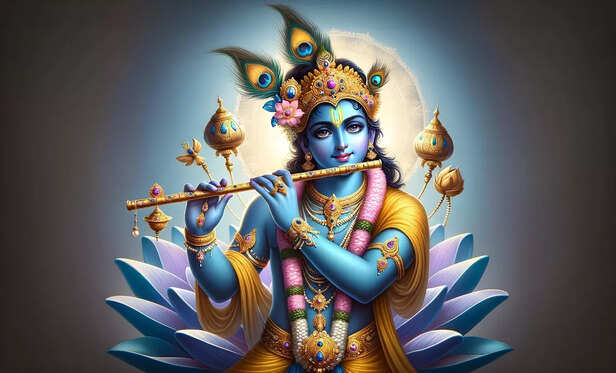
The story begins with the Ras Leela, one of the most sacred events described in Krishna traditions. According to devotional texts and Vrindavan lore, Krishna performed this divine dance on the night of Sharad Purnima on the banks of the Yamuna River.
In this dance, Krishna multiplied himself so that every gopi felt he was dancing only with her. The Ras Leela was not just a dance. It symbolized the deepest spiritual connection between the soul and the divine.
When Lord Shiva heard about this extraordinary event, he became curious and filled with devotion. Shiva is often described as one of the greatest devotees of Vishnu and Krishna. Naturally, he wished to witness this divine moment where love between God and devotees was expressed so beautifully.
So Shiva travelled from Kailash to Vrindavan hoping to see Krishna’s Ras Leela with his own eyes.
When Shiva arrived in Vrindavan and approached the place where the Ras Leela was happening, he discovered something unexpected.
The Ras Mandal, the sacred circle where Krishna danced with the gopis, had a special rule. Only the gopis were allowed to enter this divine space. The Ras Leela represented the pure devotional mood of the gopis, and only those who shared that same spiritual love could participate.
Even gods could not simply walk into this sacred moment.
According to Vrindavan traditions, Shiva was stopped at the entrance by the attendants of the Ras Mandal. They respectfully explained that in his current form he could not enter the Ras Leela.
To witness Krishna’s divine dance, he would have to take on the same devotional form as the gopis.
![Shiva Meditation]()
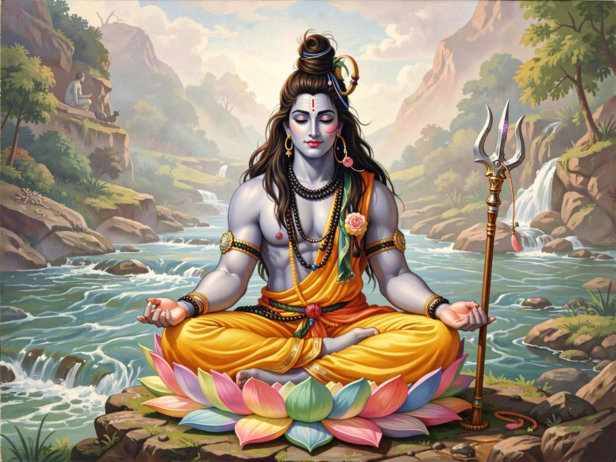
Instead of becoming upset or insisting on his status as Mahadev, Shiva responded with humility. His desire to witness Krishna’s divine play was greater than his attachment to his own identity.
According to the legend, Shiva bathed in the holy waters of the Yamuna River. This symbolic act represented purification and transformation.
After this, Shiva assumed the form of a gopi.
Only then was he allowed to enter the Ras Mandal and witness the divine Ras Leela. In this form he became known as Gopeshwar Mahadev, which means the lord or protector of the gopis.
The story beautifully shows that even the most powerful deity was willing to change himself in order to experience divine love.
Many spiritual teachers explain that this story is not only about a miraculous transformation. It also carries a deeper spiritual message.
The gopis in Krishna traditions symbolize the highest form of devotion. Their love for Krishna is completely pure and selfless. They do not seek wealth, power, or even liberation. Their only desire is to be close to Krishna.
By becoming a gopi, Shiva demonstrated that true devotion requires surrender. Titles, positions, and power do not matter in front of divine love.
This is why the story continues to inspire devotees. It reminds people that spirituality is not about status. It is about the sincerity of one’s heart.
The legend of Shiva becoming a gopi is still alive in Vrindavan today through the Gopeshwar Mahadev Temple.
This temple is considered one of the most important Shiva temples in the region. Devotees believe that after witnessing the Ras Leela, Shiva chose to stay in Vrindavan to guard the sacred land where Krishna performed his divine pastimes.
An interesting ritual takes place in this temple every evening. The Shiva lingam is decorated with ornaments and clothing that represent the form of a gopi. This ritual symbolically remembers the moment when Shiva took that form to witness the Ras Leela.
Many pilgrims visiting Vrindavan first visit Gopeshwar Mahadev before exploring other temples connected to Krishna. It is believed that Shiva’s blessings allow devotees to understand Krishna’s divine love more deeply.
![lord shiva]()
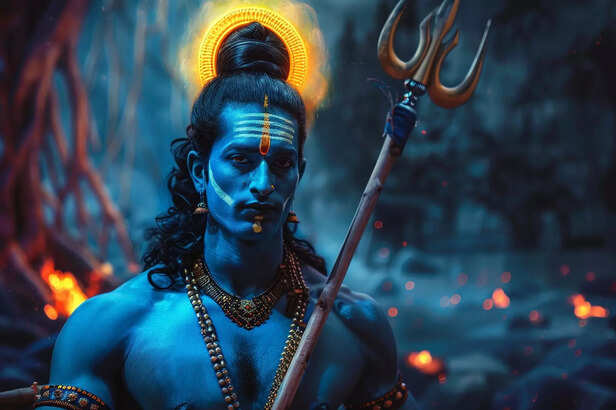
Another beautiful message hidden in this story is the connection between Shiva and Krishna traditions.
In many spiritual teachings, Shiva and Vishnu are not seen as rivals but as different expressions of the same divine truth. Stories like this highlight their mutual respect and devotion.
Here we see Shiva as a devotee of Krishna. In other traditions, Krishna praises Shiva as the greatest among devotees.
Such stories remind people that spiritual paths may look different, but they often lead toward the same divine reality.
मद्भक्ता यत्र गायन्ति तत्र तिष्ठामि नारद॥”
This beautiful verse often associated with devotion says that the divine does not live only in distant heavenly worlds but wherever true devotion exists. Vrindavan is believed to be one such sacred place. It is the land where Lord Krishna’s love and divine play are said to have unfolded in their purest form.
Among the many fascinating stories connected to Vrindavan, one legend stands out for its unusual beauty. It tells us that Lord Shiva, the great yogi and destroyer of the universe, once transformed himself into a gopi just to witness Krishna’s Ras Leela.
At first this may sound surprising. Shiva is usually imagined as the powerful ascetic sitting in meditation on Mount Kailash. Yet this story shows a softer and deeply devotional side of him. It reminds us that even the greatest gods are drawn toward the divine love that Krishna represents.
This legend is still remembered today in Vrindavan through the famous Gopeshwar Mahadev Temple, where Lord Shiva is worshipped as the guardian of Krishna’s Ras Leela.
1. Hearing about Krishna’s divine dance
Krishna’s
Image credit : Pixabay
The story begins with the Ras Leela, one of the most sacred events described in Krishna traditions. According to devotional texts and Vrindavan lore, Krishna performed this divine dance on the night of Sharad Purnima on the banks of the Yamuna River.
In this dance, Krishna multiplied himself so that every gopi felt he was dancing only with her. The Ras Leela was not just a dance. It symbolized the deepest spiritual connection between the soul and the divine.
When Lord Shiva heard about this extraordinary event, he became curious and filled with devotion. Shiva is often described as one of the greatest devotees of Vishnu and Krishna. Naturally, he wished to witness this divine moment where love between God and devotees was expressed so beautifully.
So Shiva travelled from Kailash to Vrindavan hoping to see Krishna’s Ras Leela with his own eyes.
2. A sacred space with special rules
The Ras Mandal, the sacred circle where Krishna danced with the gopis, had a special rule. Only the gopis were allowed to enter this divine space. The Ras Leela represented the pure devotional mood of the gopis, and only those who shared that same spiritual love could participate.
Even gods could not simply walk into this sacred moment.
According to Vrindavan traditions, Shiva was stopped at the entrance by the attendants of the Ras Mandal. They respectfully explained that in his current form he could not enter the Ras Leela.
To witness Krishna’s divine dance, he would have to take on the same devotional form as the gopis.
3. Shiva’s humble decision
Shiva Meditation
Image credit : Freepik
Instead of becoming upset or insisting on his status as Mahadev, Shiva responded with humility. His desire to witness Krishna’s divine play was greater than his attachment to his own identity.
According to the legend, Shiva bathed in the holy waters of the Yamuna River. This symbolic act represented purification and transformation.
After this, Shiva assumed the form of a gopi.
Only then was he allowed to enter the Ras Mandal and witness the divine Ras Leela. In this form he became known as Gopeshwar Mahadev, which means the lord or protector of the gopis.
The story beautifully shows that even the most powerful deity was willing to change himself in order to experience divine love.
4. A lesson about true devotion
The gopis in Krishna traditions symbolize the highest form of devotion. Their love for Krishna is completely pure and selfless. They do not seek wealth, power, or even liberation. Their only desire is to be close to Krishna.
By becoming a gopi, Shiva demonstrated that true devotion requires surrender. Titles, positions, and power do not matter in front of divine love.
This is why the story continues to inspire devotees. It reminds people that spirituality is not about status. It is about the sincerity of one’s heart.
5. The temple that remembers this moment
This temple is considered one of the most important Shiva temples in the region. Devotees believe that after witnessing the Ras Leela, Shiva chose to stay in Vrindavan to guard the sacred land where Krishna performed his divine pastimes.
An interesting ritual takes place in this temple every evening. The Shiva lingam is decorated with ornaments and clothing that represent the form of a gopi. This ritual symbolically remembers the moment when Shiva took that form to witness the Ras Leela.
Many pilgrims visiting Vrindavan first visit Gopeshwar Mahadev before exploring other temples connected to Krishna. It is believed that Shiva’s blessings allow devotees to understand Krishna’s divine love more deeply.
6. A reminder that Shiva and Krishna are connected
lord shiva
Image credit : Freepik
Another beautiful message hidden in this story is the connection between Shiva and Krishna traditions.
In many spiritual teachings, Shiva and Vishnu are not seen as rivals but as different expressions of the same divine truth. Stories like this highlight their mutual respect and devotion.
Here we see Shiva as a devotee of Krishna. In other traditions, Krishna praises Shiva as the greatest among devotees.
Such stories remind people that spiritual paths may look different, but they often lead toward the same divine reality.