
Why Hindu Dharma Attached Karma, Not Comfort, to Makar Sankranti
Harsh Raj | Jan 13, 2026, 16:09 IST

Makar Sankranti The Festival Of Light Direction And Dharma
Image credit : Pixabay
Makar Sankranti is more than a seasonal festival in Hindu dharma. It marks the sun’s auspicious journey, symbolizing spiritual growth, gratitude, charity, and mindful living. Rooted in nature, health, and discipline, this celebration offers timeless life lessons that align daily habits with positivity, balance, and conscious living in the modern world.
Makar Sankranti is one of the rare Hindu festivals that is guided by the movement of the sun rather than the lunar calendar, making it a symbol of stability and cosmic order. Celebrated on January 14, it marks a shift not only in seasons but also in mindset, behavior, and spiritual direction. In Hindu dharma, this day is seen as a reminder to align daily life with nature, discipline, gratitude, and positive transformation.
Makar Sankranti marks the day when the sun enters the zodiac sign of Makara Capricorn and begins its northward journey known as Uttarayana. In Hindu dharmic thought, the sun represents knowledge, soul consciousness, discipline, and life force. The northward movement symbolizes growth, clarity, and auspicious beginnings. This shift is believed to encourage humans to move away from ignorance and toward wisdom, purpose, and righteous living.
Uttarayana is described in ancient scriptures as a favorable period for spiritual progress. It is believed that actions performed during this phase bring long lasting merit. This belief teaches a life lesson rooted in Hindu dharma, timing and awareness matter. Makar Sankranti reminds individuals to choose the right moment to correct habits, set intentions, and pursue meaningful goals.
![Sacred Ganga Snan On Makar Sankranti by AI]()
Taking a holy dip in rivers like Ganga, Yamuna, Godavari, and Kaveri is a central practice on Makar Sankranti. While the outer ritual focuses on physical cleansing, Hindu dharma emphasizes inner purification. Bathing symbolizes washing away ego, negativity, and past mistakes. It reflects the importance of self reflection and renewal, which are essential for balanced living.
Charity holds deep significance on Makar Sankranti. Donating food, clothes, grains, jaggery, sesame seeds, and blankets is considered highly meritorious. Hindu dharma views dana as a duty, not just generosity. This festival highlights social responsibility and compassion, reminding people that prosperity gains meaning only when shared with others.
![Til And Jaggery Traditional Offerings]()
Sesame seeds and jaggery are traditionally consumed and distributed during Makar Sankranti. From a dharmic perspective, til represents endurance and jaggery represents sweetness. Together they convey a powerful message, maintain sweetness in speech and relationships even during hardships. This symbolic food practice transforms spiritual values into everyday habits.
Makar Sankranti arrives at the end of harsh winter. Hindu lifestyle practices closely follow seasonal rhythms. Foods prepared during this time provide warmth, strength, and immunity. The festival reinforces the dharmic idea that health is sacred and caring for the body is a responsibility toward the soul.
In many parts of India, Makar Sankranti is celebrated as a harvest festival. Farmers thank the sun, earth, water, and cattle for sustenance. Hindu dharma sees nature as divine, not a resource to exploit. This celebration nurtures environmental respect and gratitude, values that are deeply relevant in modern life.
![Kite Flying Celebration Of Uttarayan by AI]()
Flying kites is not merely recreational. In Hindu symbolism, it represents lifting aspirations higher and letting go of limitations. The open sky reflects freedom, hope, and joy. This activity brings communities together, reinforcing social harmony and collective celebration, key aspects of dharmic living.
Makar Sankranti is known as Pongal in Tamil Nadu, Lohri in Punjab, Magh Bihu in Assam, and Uttarayan in Gujarat. Though rituals vary, the core dharmic message remains the same, alignment with cosmic rhythm, gratitude, discipline, and renewal. This diversity reflects the inclusive and adaptable nature of Hindu dharma.
Many people observe fasting, meditation, mantra chanting, and early morning prayers on Makar Sankranti. These practices encourage self control and mindfulness. Hindu dharma teaches that spiritual growth is achieved through consistent discipline rather than occasional rituals. This festival acts as a reminder to recommit to inner balance.
Makar Sankranti strengthens family connections through shared meals, rituals, and community gatherings. Elders pass traditions to younger generations, ensuring cultural continuity. Hindu dharma thrives on lived experience, where values are practiced, not just taught.
In today’s fast paced world, Makar Sankranti offers practical life hacks rooted in ancient wisdom. Wake up with purpose, eat seasonally, share what you have, respect nature, speak kindly, and align goals with positive cycles. These timeless principles help reduce stress and bring clarity to modern living.
Makar Sankranti holds deep importance in Hindu dharma because it blends cosmic science, spiritual discipline, social responsibility, and lifestyle wisdom into one meaningful celebration. Beyond rituals, it teaches how to live in harmony with nature, society, and oneself. By observing its values consciously, individuals can transform a festival into a lifelong practice of balance, gratitude, and righteous action.
The Sun’s Journey And Dharma Alignment
Why Uttarayana Is Considered Auspicious
Sacred Bathing And Inner Cleansing
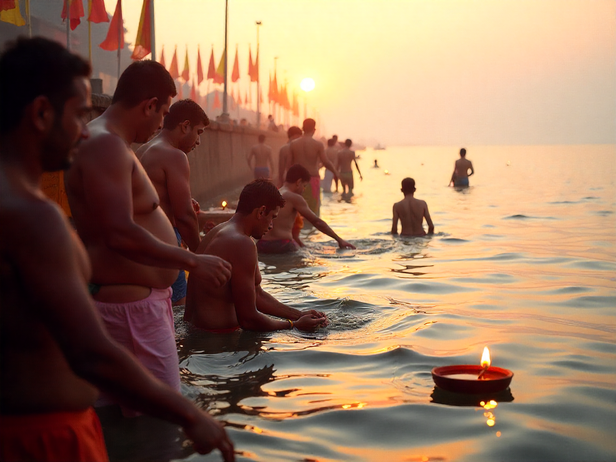
Sacred Ganga Snan On Makar Sankranti by AI
Image credit : Freepik
Taking a holy dip in rivers like Ganga, Yamuna, Godavari, and Kaveri is a central practice on Makar Sankranti. While the outer ritual focuses on physical cleansing, Hindu dharma emphasizes inner purification. Bathing symbolizes washing away ego, negativity, and past mistakes. It reflects the importance of self reflection and renewal, which are essential for balanced living.
Dana Or Charity As A Core Value
Why Til And Jaggery Are Central To The Festival

Til And Jaggery Traditional Offerings
Image credit : Pixabay
Sesame seeds and jaggery are traditionally consumed and distributed during Makar Sankranti. From a dharmic perspective, til represents endurance and jaggery represents sweetness. Together they convey a powerful message, maintain sweetness in speech and relationships even during hardships. This symbolic food practice transforms spiritual values into everyday habits.
Seasonal Wisdom And Ayurvedic Balance
Honoring Farmers And Gratitude Toward Nature
Kite Flying And The Symbolism Of Elevation
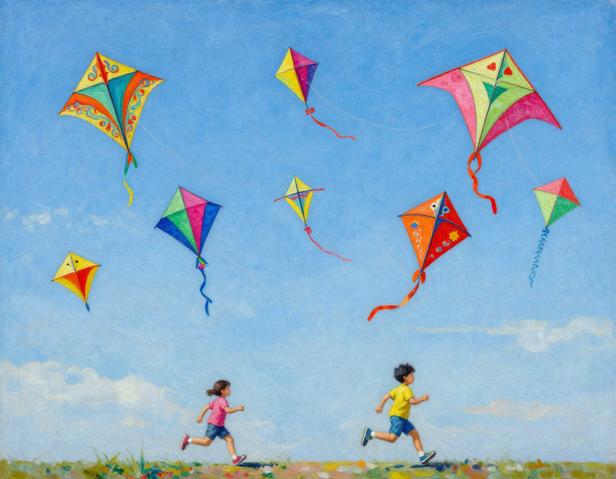
Kite Flying Celebration Of Uttarayan by AI
Image credit : Freepik
Flying kites is not merely recreational. In Hindu symbolism, it represents lifting aspirations higher and letting go of limitations. The open sky reflects freedom, hope, and joy. This activity brings communities together, reinforcing social harmony and collective celebration, key aspects of dharmic living.
Regional Expressions One Dharma
Spiritual Discipline And Mindful Living
Family Bonds And Cultural Continuity
Relevance Of Makar Sankranti In Modern Lifestyle
In today’s fast paced world, Makar Sankranti offers practical life hacks rooted in ancient wisdom. Wake up with purpose, eat seasonally, share what you have, respect nature, speak kindly, and align goals with positive cycles. These timeless principles help reduce stress and bring clarity to modern living.
Makar Sankranti holds deep importance in Hindu dharma because it blends cosmic science, spiritual discipline, social responsibility, and lifestyle wisdom into one meaningful celebration. Beyond rituals, it teaches how to live in harmony with nature, society, and oneself. By observing its values consciously, individuals can transform a festival into a lifelong practice of balance, gratitude, and righteous action.