
Why ‘Om Namah Shivaya’ Is Called a Maha Mantra
Nidhi | Mar 03, 2026, 22:20 IST

Om Namah Shivaay
Image credit : Ai
Why is “Om Namah Shivaya” called a Maha Mantra? Discover its Vedic origin, Panchakshari meaning, spiritual significance, elemental symbolism, and how this powerful Shiva mantra leads to inner transformation and liberation.
ॐ नमः शिवाय शान्ताय नमः शिवाय शम्भवे।
नमः शिवाय शंकराय नमः शिवाय सदाशिवाय॥
A sound that has echoed through Himalayan caves, temple corridors, riverbanks, and silent hearts for thousands of years. A mantra so simple that a child can chant it, yet so profound that sages spent lifetimes contemplating its depth.
“Om Namah Shivaya” is not merely a prayer. It is called a Maha Mantra for a reason. It is considered one of the most powerful and complete mantras in the entire spiritual tradition of Sanatana Dharma.
But what makes it “Maha”? Why has this five syllable chant remained alive across centuries, cultures, and spiritual paths? Let us explore the deeper truth behind this timeless invocation.
![Om Namah Shivaya]()
The mantra “Om Namah Shivaya” originates from the ancient Vedic tradition. Its core form appears in the Krishna Yajurveda, specifically in the Sri Rudram section of the Taittiriya Samhita. In the Vedic hymn, the phrase “Namah Shivaya” appears as part of invocations to Rudra, the fierce yet compassionate form of Shiva.
Unlike many later devotional chants, this mantra has Vedic authority. That gives it immense spiritual credibility in Hindu tradition. The Vedas are considered eternal knowledge revealed to ancient sages, and any mantra rooted in them carries sacred power.
Because it is Vedic in origin, it is not bound to one sect or philosophy. It transcends regional practices and stands as a universal spiritual formula.
“Om Namah Shivaya” is often called the Panchakshari Mantra, meaning the five syllable mantra. The five syllables are Na Ma Shi Va Ya.
Each syllable represents one of the five elements of nature:
Na represents Earth
Ma represents Water
Shi represents Fire
Va represents Air
Ya represents Space
These five elements form the entire universe and also compose the human body according to Hindu philosophy. When one chants this mantra, it is believed that the five elements within the body become balanced and purified.
This elemental harmony is one reason it is called Maha Mantra. It does not just worship Shiva externally. It aligns the chanter internally with cosmic order.
![Destruction as transformation in Shiva’s cosmic role]()
The phrase “Namah Shivaya” means “I bow to Shiva.” But Shiva here does not only refer to the deity with matted hair and a trident. In the deeper spiritual sense, Shiva represents pure consciousness, the unchanging reality beyond birth and death.
In Shaiva philosophy, Shiva is not just a god among gods. He is the supreme principle of awareness that pervades everything. When someone chants this mantra, they are acknowledging that supreme consciousness within and around them.
This makes the mantra transformative. It shifts the focus from ego to surrender. From individuality to universality. That movement toward inner stillness and awareness is why sages considered it a great mantra.
Many Vedic rituals require strict rules, priestly guidance, or specific conditions. But “Om Namah Shivaya” is different. It is open to all. It does not demand elaborate rituals or complex procedures.
One can chant it silently while walking, mentally during meditation, or aloud during worship. There is no restriction of caste, gender, age, or background. Saints like Adi Shankaracharya, Ramana Maharshi, and countless yogis emphasized the power of simple repetition of this mantra.
Its accessibility makes it powerful in daily life. A mantra becomes great not only because of its origin but because of its ability to transform ordinary people in ordinary moments.
In Hindu philosophy, spiritual practice aims at Moksha, liberation from the cycle of birth and death. The Shiva Purana and various Shaiva texts mention that constant repetition of this mantra leads to purification of mind and ultimately to liberation.
The greatness of this mantra lies in its dual function. It works as devotion and as meditation. A devotee can chant it out of love for Shiva. A yogi can chant it as a tool for concentration. A seeker can chant it as a method to transcend ego.
Few mantras hold this flexibility. It adapts to the spiritual maturity of the chanter. That adaptability is part of its greatness.
![Lord Shiva]()
From a psychological perspective, repetition of sacred sounds influences mental states. The syllable “Om” itself is considered the primordial sound of creation in the Upanishads. It represents the vibration underlying existence.
When “Om” is added before “Namah Shivaya,” the mantra becomes even more complete. The sound vibrations regulate breathing patterns, slow down racing thoughts, and create rhythmic focus.
Modern studies on mantra meditation have shown that repetitive chanting can reduce stress levels, lower heart rate, and improve emotional balance. While ancient sages did not use scientific language, they understood the calming and purifying power of sacred sound.
A mantra that steadies the mind becomes a bridge between spiritual wisdom and practical well being. That is why it is called Maha Mantra.
नमः शिवाय शंकराय नमः शिवाय सदाशिवाय॥
A sound that has echoed through Himalayan caves, temple corridors, riverbanks, and silent hearts for thousands of years. A mantra so simple that a child can chant it, yet so profound that sages spent lifetimes contemplating its depth.
“Om Namah Shivaya” is not merely a prayer. It is called a Maha Mantra for a reason. It is considered one of the most powerful and complete mantras in the entire spiritual tradition of Sanatana Dharma.
But what makes it “Maha”? Why has this five syllable chant remained alive across centuries, cultures, and spiritual paths? Let us explore the deeper truth behind this timeless invocation.
1. It Is Rooted in the Vedas The Oldest Sacred Texts
Om Namah Shivaya
Image credit : Freepik
The mantra “Om Namah Shivaya” originates from the ancient Vedic tradition. Its core form appears in the Krishna Yajurveda, specifically in the Sri Rudram section of the Taittiriya Samhita. In the Vedic hymn, the phrase “Namah Shivaya” appears as part of invocations to Rudra, the fierce yet compassionate form of Shiva.
Unlike many later devotional chants, this mantra has Vedic authority. That gives it immense spiritual credibility in Hindu tradition. The Vedas are considered eternal knowledge revealed to ancient sages, and any mantra rooted in them carries sacred power.
Because it is Vedic in origin, it is not bound to one sect or philosophy. It transcends regional practices and stands as a universal spiritual formula.
2. It Is the Panchakshari Mantra of Lord Shiva
Each syllable represents one of the five elements of nature:
Na represents Earth
Ma represents Water
Shi represents Fire
Va represents Air
Ya represents Space
These five elements form the entire universe and also compose the human body according to Hindu philosophy. When one chants this mantra, it is believed that the five elements within the body become balanced and purified.
This elemental harmony is one reason it is called Maha Mantra. It does not just worship Shiva externally. It aligns the chanter internally with cosmic order.
3. It Directly Invokes Shiva the Supreme Consciousness
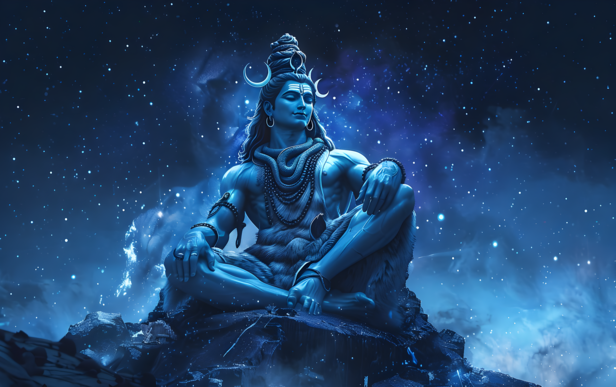
Destruction as transformation in Shiva’s cosmic role
Image credit : Pixabay
The phrase “Namah Shivaya” means “I bow to Shiva.” But Shiva here does not only refer to the deity with matted hair and a trident. In the deeper spiritual sense, Shiva represents pure consciousness, the unchanging reality beyond birth and death.
In Shaiva philosophy, Shiva is not just a god among gods. He is the supreme principle of awareness that pervades everything. When someone chants this mantra, they are acknowledging that supreme consciousness within and around them.
This makes the mantra transformative. It shifts the focus from ego to surrender. From individuality to universality. That movement toward inner stillness and awareness is why sages considered it a great mantra.
4. It Is Universally Accessible to Everyone
One can chant it silently while walking, mentally during meditation, or aloud during worship. There is no restriction of caste, gender, age, or background. Saints like Adi Shankaracharya, Ramana Maharshi, and countless yogis emphasized the power of simple repetition of this mantra.
Its accessibility makes it powerful in daily life. A mantra becomes great not only because of its origin but because of its ability to transform ordinary people in ordinary moments.
5. It Is Both a Prayer and a Path to Liberation
The greatness of this mantra lies in its dual function. It works as devotion and as meditation. A devotee can chant it out of love for Shiva. A yogi can chant it as a tool for concentration. A seeker can chant it as a method to transcend ego.
Few mantras hold this flexibility. It adapts to the spiritual maturity of the chanter. That adaptability is part of its greatness.
6. It Calms the Mind and Stabilizes the Inner Self
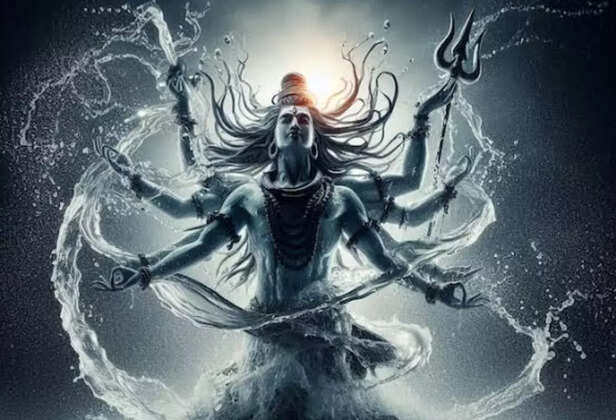
Lord Shiva
Image credit : Pixabay
From a psychological perspective, repetition of sacred sounds influences mental states. The syllable “Om” itself is considered the primordial sound of creation in the Upanishads. It represents the vibration underlying existence.
When “Om” is added before “Namah Shivaya,” the mantra becomes even more complete. The sound vibrations regulate breathing patterns, slow down racing thoughts, and create rhythmic focus.
Modern studies on mantra meditation have shown that repetitive chanting can reduce stress levels, lower heart rate, and improve emotional balance. While ancient sages did not use scientific language, they understood the calming and purifying power of sacred sound.
A mantra that steadies the mind becomes a bridge between spiritual wisdom and practical well being. That is why it is called Maha Mantra.