
Why Do We Say “Ram Naam Satya Hai” When Someone Dies?
Nidhi | Oct 28, 2025, 14:34 IST

Ram naam
Image credit : Times Life Bureau
Every funeral in India echoes with the same chant — “Ram Naam Satya Hai.” But few know what it truly means. This article explores the spiritual, philosophical, and emotional reason behind those words. Rooted in Hindu tradition, the chant is not for the dead but for the living — a reminder that life is temporary, truth eternal, and the name of Rama the only reality that survives death. Discover the real meaning, origins, and purpose of this ancient phrase we all have heard but rarely understood.
“राम नाम सत्य है।”
The name of Rama is the only truth.
You have heard it before. The slow, rhythmic chant echoing through narrow streets as a body is carried on its final journey. Some walk in silence, some join the chorus, “Ram Naam Satya Hai.”
But have you ever stopped to ask, why these words?
Why this chant, when everything else has already fallen silent?
It is one of those phrases that pierces deeper than sound. It does not celebrate death. It does not even mourn it. It declares something else, something ancient, unsettling, and profoundly true.
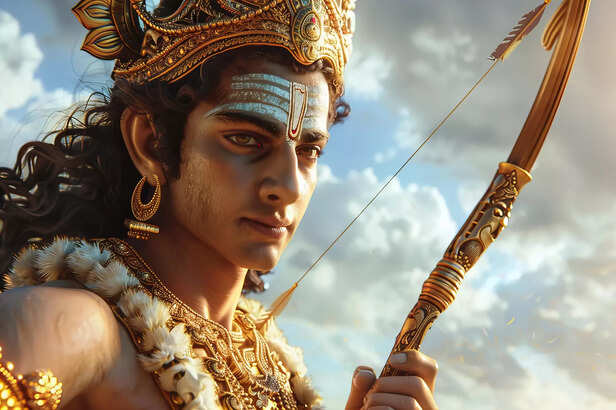
![Shri Ram]() “Ram Naam Satya Hai” means “The name of Rama is truth.”
“Ram Naam Satya Hai” means “The name of Rama is truth.”
Not was. Is.
In Hindu philosophy, Rama represents not just a god but the eternal truth, that which never changes. Everything else, our bodies, relationships, money, names, are temporary shadows.
When someone dies, this chant reminds us that what we called life was never permanent. The only thing that survives the fire and the farewell is Satya, truth. It is not a cry of grief. It is a whisper of awakening.
![Death]() People think this chant is for the one who is gone. But it is not. It is for those still walking. The dead do not hear the words, the living do. As the body is carried, the chant moves beside it, not to bless the departed, but to shake the living awake. Every time you say “Ram Naam Satya Hai,” you are not mourning death, you are witnessing truth. One day, this will be you. The funeral procession is not just the end of one journey, it is the rehearsal of another: yours.
People think this chant is for the one who is gone. But it is not. It is for those still walking. The dead do not hear the words, the living do. As the body is carried, the chant moves beside it, not to bless the departed, but to shake the living awake. Every time you say “Ram Naam Satya Hai,” you are not mourning death, you are witnessing truth. One day, this will be you. The funeral procession is not just the end of one journey, it is the rehearsal of another: yours.
The Bhagavad Gita Says, “As A Man Discards Worn-Out Clothes And Puts On New Ones, So Does The Soul Discard Worn-Out Bodies And Take On New Ones.”Life Is Temporary. Death Is Transition.Chanting “Ram Naam Satya Hai” acknowledges this truth, not with fear, but with acceptance. It teaches that the only mistake we make is believing that life was meant to last. It was only meant to be lived.
4. The Power of the Name,
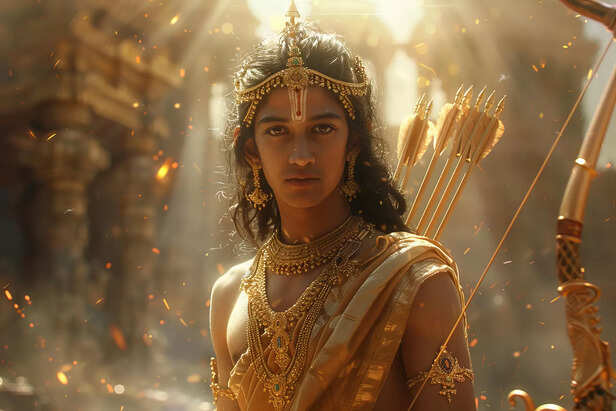
![Lord Rama]() In Hindu thought, Naam Smaran, the remembrance of God’s name, is believed to cleanse the soul.
In Hindu thought, Naam Smaran, the remembrance of God’s name, is believed to cleanse the soul.
The Garuda Purana and various scriptures say that uttering the divine name at the time of death helps the soul move toward Moksha, freedom from rebirth.
So when we say “Ram Naam Satya Hai,” we are not only acknowledging truth, we are helping the soul let go of the illusion of body and return to the source. The chant becomes a bridge between two worlds.
![Dharma]() Rama is not just a king from an ancient story. In every chant of “Ram Naam Satya Hai,” He stands for Dharma, righteousness, and Satya, the ultimate truth.
Rama is not just a king from an ancient story. In every chant of “Ram Naam Satya Hai,” He stands for Dharma, righteousness, and Satya, the ultimate truth.
By saying His name during the last journey, we are reminded that only a truthful, righteous life leaves peace behind. The body will be burnt, but truth remains untouched.
When everything ends, only what was true, in words, in actions, in heart, stays behind.
The origins of this chant go back to the Bhakti movement, when saints like Tulsidas and Kabir spread the idea that salvation lies not in rituals but in the remembrance of God’s name.
Kabir said:
“Kabira jab hum paida hue, jag hase hum roye;
Aisi karni kar chale, hum hase jag roye.”
When we are born, the world laughs and we cry;
Live in such a way that when we die, we laugh and the world cries.
“Ram Naam Satya Hai” was never meant to be about sorrow. It was meant to be about truth, the truth of how we lived and how we leave.
Even beyond faith, there is a human reason. Repetition has power.
In psychology, repetitive chanting helps the brain accept loss and process grief.
In that numb silence of death, “Ram Naam Satya Hai” becomes a rhythm, something to hold onto when reality feels impossible.
It gives mourners a shared voice, a collective rhythm of acceptance. Saying it does not remove pain. It gives it meaning.
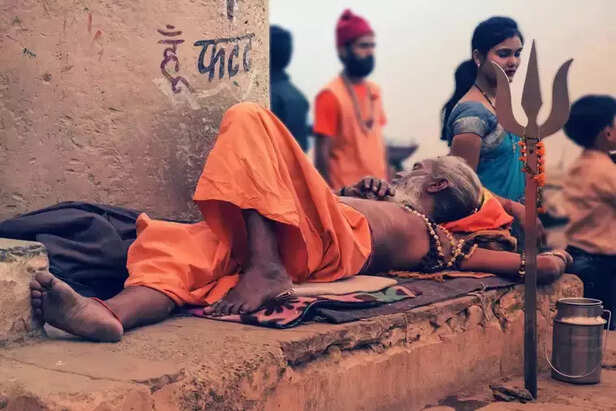
![Dharma]() As the procession moves toward the cremation ground, the chant slowly fades into the distance. The fire will rise, the body will burn, and the crowd will disperse. But the words remain in the air,
As the procession moves toward the cremation ground, the chant slowly fades into the distance. The fire will rise, the body will burn, and the crowd will disperse. But the words remain in the air,
“Ram Naam Satya Hai.”
They remind us that truth is not in the fire, or the ashes, or even the name on the pyre. It is in the realization that everything we chase, money, fame, control, ends in silence. Only truth continues to walk.
The name of Rama is the only truth.
You have heard it before. The slow, rhythmic chant echoing through narrow streets as a body is carried on its final journey. Some walk in silence, some join the chorus, “Ram Naam Satya Hai.”
But have you ever stopped to ask, why these words?
Why this chant, when everything else has already fallen silent?
It is one of those phrases that pierces deeper than sound. It does not celebrate death. It does not even mourn it. It declares something else, something ancient, unsettling, and profoundly true.
1. The Only Truth That Stays When Everything Else Leaves
Shri Ram
Image credit : Freepik
Not was. Is.
In Hindu philosophy, Rama represents not just a god but the eternal truth, that which never changes. Everything else, our bodies, relationships, money, names, are temporary shadows.
When someone dies, this chant reminds us that what we called life was never permanent. The only thing that survives the fire and the farewell is Satya, truth. It is not a cry of grief. It is a whisper of awakening.
2. A Mirror to the Living, Not a Farewell to the Dead

Death
Image credit : Pexels
3. The Philosophy of Impermanence
4. The Power of the Name, Ram Naam as Liberation
Lord Rama
Image credit : Freepik
The Garuda Purana and various scriptures say that uttering the divine name at the time of death helps the soul move toward Moksha, freedom from rebirth.
So when we say “Ram Naam Satya Hai,” we are not only acknowledging truth, we are helping the soul let go of the illusion of body and return to the source. The chant becomes a bridge between two worlds.
5. Rama as the Symbol of Dharma and Truth
Dharma
Image credit : Pixabay
By saying His name during the last journey, we are reminded that only a truthful, righteous life leaves peace behind. The body will be burnt, but truth remains untouched.
When everything ends, only what was true, in words, in actions, in heart, stays behind.
6. The Echo of History and Faith
Kabir said:
“Kabira jab hum paida hue, jag hase hum roye;
Aisi karni kar chale, hum hase jag roye.”
When we are born, the world laughs and we cry;
Live in such a way that when we die, we laugh and the world cries.
“Ram Naam Satya Hai” was never meant to be about sorrow. It was meant to be about truth, the truth of how we lived and how we leave.
7. The Psychological Release Behind the Chant
In psychology, repetitive chanting helps the brain accept loss and process grief.
In that numb silence of death, “Ram Naam Satya Hai” becomes a rhythm, something to hold onto when reality feels impossible.
It gives mourners a shared voice, a collective rhythm of acceptance. Saying it does not remove pain. It gives it meaning.
8. When the Sound Fades, the Question Remains
Dharma
Image credit : Pexels
“Ram Naam Satya Hai.”
They remind us that truth is not in the fire, or the ashes, or even the name on the pyre. It is in the realization that everything we chase, money, fame, control, ends in silence. Only truth continues to walk.