
Why Does Shiva Never Leave Kashi And Why Does He Chant the Taraka Mantra Only There?
Nidhi | Feb 03, 2026, 13:56 IST

Kashi
Image credit : Ai
Kashi is believed to be the only place where Lord Shiva never leaves and personally chants the Taraka Mantra at the moment of death. Ancient scriptures describe this act as the reason souls attain moksha in Kashi. This article explores why Shiva remains eternally present in Kashi, what the Taraka Mantra signifies, and how this belief shapes the city’s unique view of death, liberation, and spiritual release according to Hindu philosophy and Puranic texts.
Some cities are known for their history. Some for their temples. Kashi is known for what happens at the final moment of life.
Here, death is not hidden. It is witnessed. It is prepared for. And strangely, it is not feared the way it is elsewhere.
For thousands of years, people have believed one thing with unshakable certainty: Shiva never leaves Kashi. Not during creation. Not during destruction. Not even when the universe dissolves into silence. And because he remains here, something extraordinary is believed to happen here and nowhere else. At the moment a soul leaves the body, Shiva himself chants the Taraka Mantra, guiding the soul toward moksha.
This belief is not folklore whispered in corners. It is rooted in scripture, philosophy, and the lived rhythm of the city. To understand why Shiva never leaves Kashi, and why this mantra is chanted only here, we must look at Kashi not as a destination, but as a spiritual threshold.
![Kashi Vishwanath]()
Kashi is not described as a city created by human hands. In texts like the Kashi Khanda of the Skanda Purana, it is said to exist beyond creation and destruction. While the universe undergoes cycles of birth and dissolution, Kashi remains untouched. This idea makes it fundamentally different from other sacred places.
Because Shiva represents timeless consciousness, his presence in Kashi turns the city into a space where time loses authority. This is why he never leaves. Kashi is not part of time. It is where time dissolves. For people living here, this belief shapes daily life. Birth, work, worship, and death all unfold with the awareness that nothing here is temporary in the usual sense.
In Kashi, Shiva is worshipped as Vishwanath, the lord of the universe. This form is enshrined in the Kashi Vishwanath Temple, but the idea goes far beyond the temple walls. Vishwanath is not limited to one shrine. He is believed to pervade the entire city.
This is why Kashi is often called Shiva’s own city, not a place he visits, but a place he inhabits fully. Streets, ghats, homes, and cremation grounds are all seen as extensions of his presence. When people say Shiva never leaves Kashi, they mean that divine awareness here is uninterrupted. It does not come and go.
In most places, death is hidden away, feared, or spoken of in whispers. In Kashi, it is visible, accepted, and ritualized. Cremation fires burn continuously at the ghats, reminding everyone that life and death walk side by side.
This openness exists because death in Kashi is not seen as an end, but as a passage. Scriptures state that dying in Kashi frees the soul from the cycle of rebirth. This belief is deeply tied to Shiva’s presence. Since he remains here, death is not left to cosmic law alone. It becomes a moment of direct forcing, but guiding.
![Lord Shiva in deep meditation]()
The Taraka Mantra is believed to be whispered by Shiva into the ear of the dying soul in Kashi. The word Taraka means that which helps one cross over. This mantra is not taught publicly or chanted as a ritual for the living. It is reserved for the final moment when the soul is free from ego and attachment.
This act shows Shiva not as a judge, but as a guide. Liberation here does not depend on learning, penance, or accumulated merit. It depends on grace. The mantra represents pure knowledge reminding the soul of its true nature. That is why it is whispered, not proclaimed. Moksha here is gentle, intimate, and direct.
A natural question arises. If Shiva is compassionate everywhere, why does he chant the Taraka Mantra only in Kashi? The answer lies in how Hindu philosophy understands sacred space.
Kashi is described as a kshetra, a spiritually charged field where karma weakens and awareness sharpens. Life here constantly reminds one of impermanence. The river Ganga flows beside burning pyres. Temples stand next to narrow lanes of everyday life. This environment prepares the soul, consciously or unconsciously, for release.
Only in such a space can the Taraka Mantra complete its purpose. Elsewhere, the soul remains tied to desire and identity. In Kashi, those ties naturally loosen.
In many traditions, liberation is achieved through strict discipline and effort. Kashi presents a different idea. Here, liberation is offered. Shiva’s constant presence softens the rigid rules of karma. This does not mean actions lose meaning. It means grace becomes stronger than consequence.
This belief has drawn countless people to Kashi in their final years. They come not to escape life, but to complete it. Shiva’s refusal to leave Kashi symbolizes his promise that no soul here is abandoned at the final moment.
![Shiva]()
For centuries, saints, yogis, and ordinary people have chosen Kashi as the place to live their final days. This choice is not based on fear of death, but clarity about it. Living in Kashi is considered preparation for letting go.
Daily life here keeps reminding one of what matters and what does not. The presence of Shiva is felt not through miracles, but through awareness. When people say Shiva never leaves Kashi, they also mean that truth is never hidden here.
Here, death is not hidden. It is witnessed. It is prepared for. And strangely, it is not feared the way it is elsewhere.
For thousands of years, people have believed one thing with unshakable certainty: Shiva never leaves Kashi. Not during creation. Not during destruction. Not even when the universe dissolves into silence. And because he remains here, something extraordinary is believed to happen here and nowhere else. At the moment a soul leaves the body, Shiva himself chants the Taraka Mantra, guiding the soul toward moksha.
This belief is not folklore whispered in corners. It is rooted in scripture, philosophy, and the lived rhythm of the city. To understand why Shiva never leaves Kashi, and why this mantra is chanted only here, we must look at Kashi not as a destination, but as a spiritual threshold.
1. Kashi as a city that exists beyond time
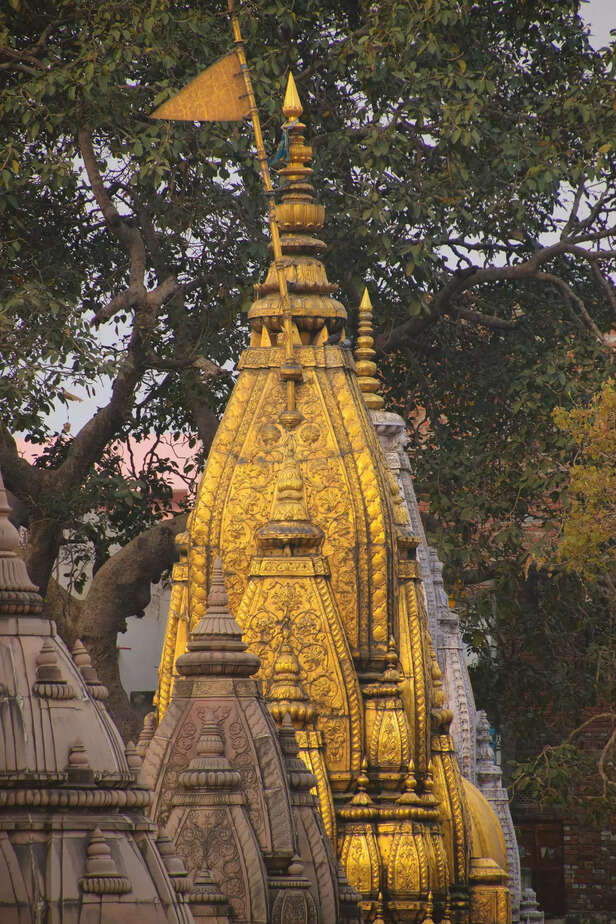
Kashi Vishwanath
Image credit : Pexels
Kashi is not described as a city created by human hands. In texts like the Kashi Khanda of the Skanda Purana, it is said to exist beyond creation and destruction. While the universe undergoes cycles of birth and dissolution, Kashi remains untouched. This idea makes it fundamentally different from other sacred places.
Because Shiva represents timeless consciousness, his presence in Kashi turns the city into a space where time loses authority. This is why he never leaves. Kashi is not part of time. It is where time dissolves. For people living here, this belief shapes daily life. Birth, work, worship, and death all unfold with the awareness that nothing here is temporary in the usual sense.
2. Shiva as Vishwanath, not just a temple deity
This is why Kashi is often called Shiva’s own city, not a place he visits, but a place he inhabits fully. Streets, ghats, homes, and cremation grounds are all seen as extensions of his presence. When people say Shiva never leaves Kashi, they mean that divine awareness here is uninterrupted. It does not come and go.
3. Death in Kashi as a conscious transition
This openness exists because death in Kashi is not seen as an end, but as a passage. Scriptures state that dying in Kashi frees the soul from the cycle of rebirth. This belief is deeply tied to Shiva’s presence. Since he remains here, death is not left to cosmic law alone. It becomes a moment of direct forcing, but guiding.
4. The Taraka Mantra as Shiva’s final gift
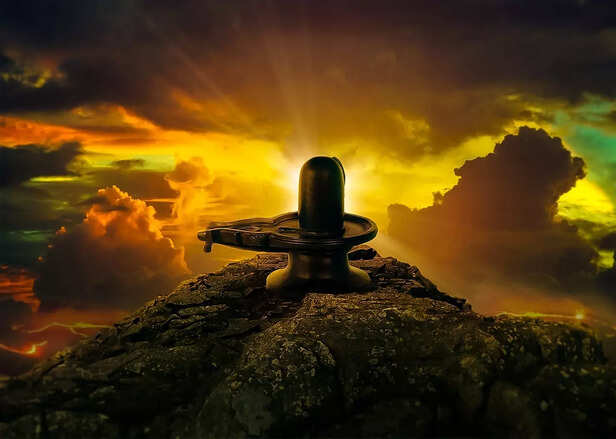
Lord Shiva in deep meditation
Image credit : Pexels
The Taraka Mantra is believed to be whispered by Shiva into the ear of the dying soul in Kashi. The word Taraka means that which helps one cross over. This mantra is not taught publicly or chanted as a ritual for the living. It is reserved for the final moment when the soul is free from ego and attachment.
This act shows Shiva not as a judge, but as a guide. Liberation here does not depend on learning, penance, or accumulated merit. It depends on grace. The mantra represents pure knowledge reminding the soul of its true nature. That is why it is whispered, not proclaimed. Moksha here is gentle, intimate, and direct.
5. Why this act happens only in Kashi
Kashi is described as a kshetra, a spiritually charged field where karma weakens and awareness sharpens. Life here constantly reminds one of impermanence. The river Ganga flows beside burning pyres. Temples stand next to narrow lanes of everyday life. This environment prepares the soul, consciously or unconsciously, for release.
Only in such a space can the Taraka Mantra complete its purpose. Elsewhere, the soul remains tied to desire and identity. In Kashi, those ties naturally loosen.
6. Shiva’s role as liberator, not lawgiver
This belief has drawn countless people to Kashi in their final years. They come not to escape life, but to complete it. Shiva’s refusal to leave Kashi symbolizes his promise that no soul here is abandoned at the final moment.
7. Why seekers choose Kashi as their last home
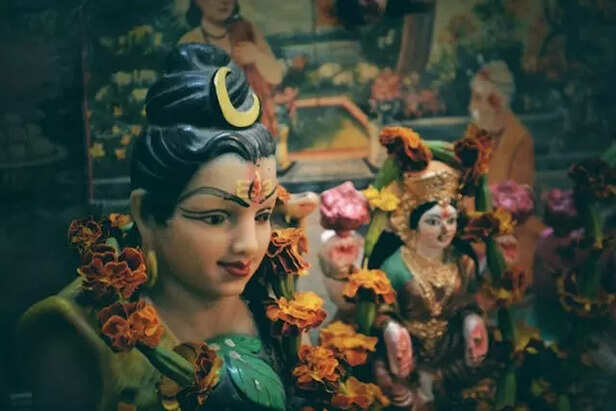
Shiva
Image credit : Pexels
For centuries, saints, yogis, and ordinary people have chosen Kashi as the place to live their final days. This choice is not based on fear of death, but clarity about it. Living in Kashi is considered preparation for letting go.
Daily life here keeps reminding one of what matters and what does not. The presence of Shiva is felt not through miracles, but through awareness. When people say Shiva never leaves Kashi, they also mean that truth is never hidden here.