
6 Reasons the Ramayana Debate Never Ends
Nidhi | Mar 16, 2026, 12:26 IST

Ramayana
Image credit : Ai
The Ramayana has inspired devotion, scholarship, and debate for centuries. With hundreds of versions, complex moral questions, and evolving cultural interpretations, discussions around the epic continue even today. Here are six key reasons why the Ramayana debate never truly ends.
For centuries, people have turned to the Ramayana not just as a story, but as a guide to understanding morality, duty, and human relationships. Yet despite being one of the most loved epics in the world, it is also one of the most debated. Scholars, devotees, historians, and ordinary readers often interpret the same events very differently. Some see divine perfection, others see difficult moral dilemmas.
The Ramayana has lived in human conversations for thousands of years. The debates around it are not signs of confusion but signs of its depth. The epic raises questions that continue to challenge human thinking even today. Here are six major reasons why the Ramayana debate never truly ends.
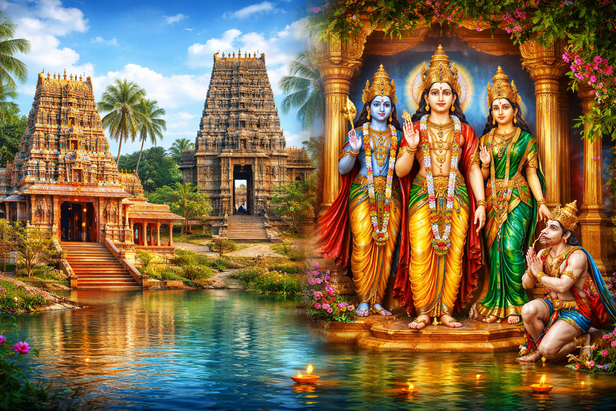
![Rama]() One major reason debates continue is that the Ramayana exists in two spaces at once. For millions of people, it is a sacred account of Lord Rama’s life and a divine story of righteousness. At the same time, historians and scholars often approach it as an ancient literary work shaped by culture and time.
One major reason debates continue is that the Ramayana exists in two spaces at once. For millions of people, it is a sacred account of Lord Rama’s life and a divine story of righteousness. At the same time, historians and scholars often approach it as an ancient literary work shaped by culture and time.
The epic is believed to have been composed by the sage Valmiki and later retold across centuries in many languages and traditions. Because of this, people ask different questions about it. Some search for historical evidence of places like Ayodhya or Lanka. Others focus on the spiritual symbolism within the story.
This dual identity makes the Ramayana unique. When a text is both a sacred scripture and a subject of academic study, interpretations naturally differ. One group reads it through faith, another through history and literature. These different lenses keep the discussion alive.
Unlike many epics that exist in a single fixed form, the Ramayana has hundreds of versions across Asia. Each region has interpreted the story according to its own cultural values and storytelling traditions.
The original Sanskrit Ramayana attributed to Valmiki is often considered the earliest and most influential version. Yet there are many other famous retellings such as the Ramcharitmanas by Tulsidas in Hindi, the Kamba Ramayanam in Tamil, the Adhyatma Ramayana, and the Jain and Buddhist Ramayana traditions.
In Southeast Asia, countries like Thailand, Indonesia, and Cambodia also have their own Ramayana traditions. Their versions often emphasize different characters or moral lessons.
Because each version highlights certain themes while interpreting events differently, readers often compare them. These comparisons naturally lead to debates about which interpretation reflects the intended message of the epic.
![Waiting Before Attacking Lanka]()
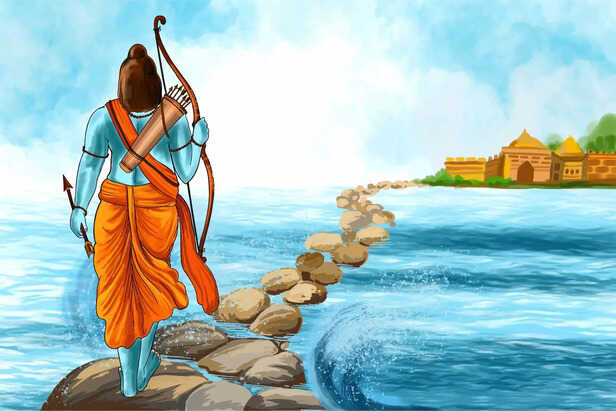
The Ramayana is often described as a story of dharma, yet the path of dharma in the epic is rarely simple. Many events in the story raise difficult moral questions that continue to spark discussion.
The decisions made by characters like Rama, Sita, Lakshmana, and Bharata are shaped by duty, societal expectations, and personal sacrifice. These choices are deeply layered and can be interpreted in many ways.
Ancient texts often present dharma as something contextual rather than absolute. What is considered right depends on one’s role, responsibility, and circumstances. This complexity makes the Ramayana intellectually engaging but also open to debate.
Readers often reflect on whether certain decisions were necessary, symbolic, or reflective of ancient social values. These reflections lead to continuing conversations about ethics, duty, and leadership.
Another reason debates never end is that the characters in the Ramayana are both divine and deeply human. Lord Rama is worshipped as an avatar of Vishnu, yet the epic also portrays him experiencing grief, struggle, and responsibility.
Sita represents strength, devotion, and resilience. Lakshmana symbolizes loyalty and service. Hanuman stands for devotion and courage.
Because these characters represent universal human qualities, people connect with them on a personal level. When readers see their own struggles reflected in the story, they naturally interpret events through their own moral framework.
This emotional connection means the Ramayana is not just read but discussed and questioned. People constantly explore what each character’s actions mean in the context of life, society, and personal values.
Societies evolve over time, and so do interpretations of ancient texts. Ideas about leadership, justice, gender roles, and social responsibility have changed significantly since the era when the Ramayana was composed.
Modern readers often revisit the epic through contemporary perspectives. Scholars analyze the narrative through lenses such as philosophy, ethics, sociology, and literary theory.
These evolving viewpoints do not necessarily reject the epic. Instead, they attempt to understand how ancient narratives interact with modern values. Each generation brings new questions to the story, which leads to new interpretations.
This ongoing reinterpretation ensures that the Ramayana remains a living text rather than a fixed story from the past.
![lord rama and lord hanuman.]()
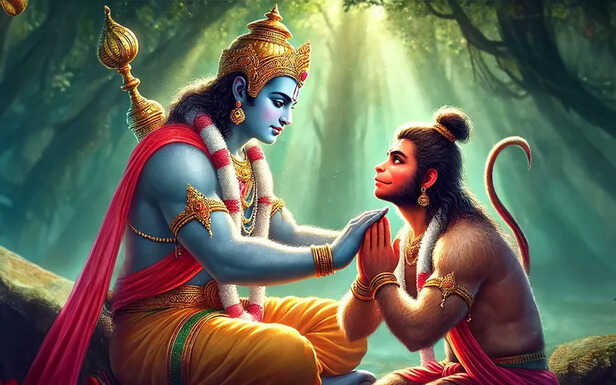
Perhaps the biggest reason the debate never ends is that the Ramayana is not confined to books. It continues to live in festivals, performances, television adaptations, temple traditions, and oral storytelling.
Events from the epic are reenacted every year during festivals like Dussehra and Ram Leela. These performances often emphasize different aspects of the story depending on the community and cultural setting.
Because the Ramayana is constantly retold, each retelling introduces new emphasis and perspective. Artists, writers, and filmmakers reinterpret the epic for modern audiences while keeping its core themes alive.
A story that is continually retold naturally invites new interpretations. This living tradition keeps the Ramayana relevant and ensures that discussions around it never truly end.
The Ramayana has lived in human conversations for thousands of years. The debates around it are not signs of confusion but signs of its depth. The epic raises questions that continue to challenge human thinking even today. Here are six major reasons why the Ramayana debate never truly ends.
1. The Ramayana Is Both History and Sacred Narrative
Rama
Image credit : Chatgpt - Ai
The epic is believed to have been composed by the sage Valmiki and later retold across centuries in many languages and traditions. Because of this, people ask different questions about it. Some search for historical evidence of places like Ayodhya or Lanka. Others focus on the spiritual symbolism within the story.
This dual identity makes the Ramayana unique. When a text is both a sacred scripture and a subject of academic study, interpretations naturally differ. One group reads it through faith, another through history and literature. These different lenses keep the discussion alive.
2. Multiple Versions Across Cultures
The original Sanskrit Ramayana attributed to Valmiki is often considered the earliest and most influential version. Yet there are many other famous retellings such as the Ramcharitmanas by Tulsidas in Hindi, the Kamba Ramayanam in Tamil, the Adhyatma Ramayana, and the Jain and Buddhist Ramayana traditions.
In Southeast Asia, countries like Thailand, Indonesia, and Cambodia also have their own Ramayana traditions. Their versions often emphasize different characters or moral lessons.
Because each version highlights certain themes while interpreting events differently, readers often compare them. These comparisons naturally lead to debates about which interpretation reflects the intended message of the epic.
3. Complex Moral Questions Within the Story
Waiting Before Attacking Lanka
Image credit : Freepik
The Ramayana is often described as a story of dharma, yet the path of dharma in the epic is rarely simple. Many events in the story raise difficult moral questions that continue to spark discussion.
The decisions made by characters like Rama, Sita, Lakshmana, and Bharata are shaped by duty, societal expectations, and personal sacrifice. These choices are deeply layered and can be interpreted in many ways.
Ancient texts often present dharma as something contextual rather than absolute. What is considered right depends on one’s role, responsibility, and circumstances. This complexity makes the Ramayana intellectually engaging but also open to debate.
Readers often reflect on whether certain decisions were necessary, symbolic, or reflective of ancient social values. These reflections lead to continuing conversations about ethics, duty, and leadership.
4. The Characters Are Deeply Human and Symbolic
Sita represents strength, devotion, and resilience. Lakshmana symbolizes loyalty and service. Hanuman stands for devotion and courage.
Because these characters represent universal human qualities, people connect with them on a personal level. When readers see their own struggles reflected in the story, they naturally interpret events through their own moral framework.
This emotional connection means the Ramayana is not just read but discussed and questioned. People constantly explore what each character’s actions mean in the context of life, society, and personal values.
5. The Epic Reflects Changing Social Perspectives
Modern readers often revisit the epic through contemporary perspectives. Scholars analyze the narrative through lenses such as philosophy, ethics, sociology, and literary theory.
These evolving viewpoints do not necessarily reject the epic. Instead, they attempt to understand how ancient narratives interact with modern values. Each generation brings new questions to the story, which leads to new interpretations.
This ongoing reinterpretation ensures that the Ramayana remains a living text rather than a fixed story from the past.
6. The Ramayana Is a Living Cultural Tradition
lord rama and lord hanuman.
Image credit : Freepik
Perhaps the biggest reason the debate never ends is that the Ramayana is not confined to books. It continues to live in festivals, performances, television adaptations, temple traditions, and oral storytelling.
Events from the epic are reenacted every year during festivals like Dussehra and Ram Leela. These performances often emphasize different aspects of the story depending on the community and cultural setting.
Because the Ramayana is constantly retold, each retelling introduces new emphasis and perspective. Artists, writers, and filmmakers reinterpret the epic for modern audiences while keeping its core themes alive.
A story that is continually retold naturally invites new interpretations. This living tradition keeps the Ramayana relevant and ensures that discussions around it never truly end.