
Why Tirupati Balaji Temple Hair Is Donated by Millions
Nidhi | Feb 07, 2026, 09:00 IST

Tirupati balaji
Image credit : Ai
Every year, millions of devotees shave their heads at Tirupati Balaji Temple as an act of faith and surrender. This article explains why hair donation holds deep spiritual meaning, how the tradition began, and what it represents in Hindu belief. It explores hair offering as a symbol of humility, gratitude, renewal, and equality, while also explaining how the temple responsibly manages this unique and powerful ritual.
Every day, thousands of people arrive at the hill shrine of Tirupati Balaji Temple with a quiet determination. Some have traveled overnight. Some have waited years. And many of them walk into the tonsure halls to shave their heads, willingly and without hesitation. To an outsider, this act can look extreme or confusing. But to devotees, it is one of the most personal and meaningful offerings they can make.
Hair donation at Tirupati is not a ritual performed out of pressure or blind belief. It is a deeply internal act rooted in emotion, philosophy, and lived faith. Understanding why millions do this requires looking at what hair represents, what surrender means, and why this tradition has remained powerful even in a modern, image-driven world.
![Light of Forgiveness]()
Hair is closely tied to how people see themselves. It reflects personality, beauty, age, status, and confidence. For many, it is one of the first things noticed and carefully maintained. When devotees shave their heads at Tirupati, they are not just removing hair. They are consciously stepping away from self-image.
This act becomes a statement that faith matters more than appearance. In a society where identity is often built around how one looks, the choice to remove hair becomes a powerful way of saying, “I am more than this.” That sense of letting go is what many devotees describe as deeply freeing.
In Hindu philosophy, surrender is not meant to stay abstract. It is meant to be lived and expressed. Offering hair is one of the most visible ways to turn an internal feeling into a physical act.
Many devotees come to Tirupati after going through uncertainty, illness, career struggles, or family challenges. Shaving the head becomes a way of placing control back into divine hands. It is a quiet admission that one cannot manage everything alone. That honesty is what gives the ritual its emotional weight.
![A time for reflection]()
For countless devotees, hair donation is linked to a vow. A prayer answered. A child born. A health scare resolved. A long-standing problem eased. When something deeply desired comes to pass, devotees return to Tirupati to fulfill a promise they made in hope.
The act is not transactional in the commercial sense. It is personal gratitude. By offering something visible and meaningful, devotees mark a moment in their life where faith carried them through uncertainty. That emotional closure is often more important than the ritual itself.
Hair grows continuously, and in traditional belief, it is associated with accumulated impressions of past experiences. Shaving it off is seen as symbolic renewal. A clean slate. A conscious restart.
This is why many devotees tonsure their heads before darshan. They want to stand before the deity without carrying emotional or psychological baggage. It is a way of telling oneself that whatever came before this moment has been acknowledged and released.
In a world where people struggle to move on mentally, this physical reset holds surprising psychological value.
One of the most striking aspects of the tonsure halls is how quickly differences vanish. Wealth, profession, education, social class, and gender lose visibility the moment heads are shaved.
Everyone looks the same. Everyone sits on the same floor. Everyone bows the same way.
This equality is not symbolic. It is visible and lived. In that moment, devotees experience something rare in daily life: a space where no one stands above another. For many, this is one of the most powerful spiritual experiences of the entire pilgrimage.
Many people know that the hair collected at Tirupati is auctioned and generates significant revenue. What keeps devotees comfortable with this reality is trust. The temple administration is known for transparency and for channeling funds into free meals, hospitals, education, and public welfare.
Devotees see their personal sacrifice turn into collective benefit. The idea that something given in faith can help feed strangers or fund medical care strengthens belief rather than weakening it. It reassures people that devotion and responsibility can coexist.
In today’s world, hair is closely linked to confidence, especially in public and digital spaces. Shaving it off can feel like going against everything modern culture promotes. Yet millions still do it.
That choice itself is meaningful. It reflects a willingness to be vulnerable, to look different, and to prioritize belief over social approval. For many young devotees, this is not tradition inherited without thought, but a conscious decision that feels grounding in an overstimulated world.
Hair donation at Tirupati is not a ritual performed out of pressure or blind belief. It is a deeply internal act rooted in emotion, philosophy, and lived faith. Understanding why millions do this requires looking at what hair represents, what surrender means, and why this tradition has remained powerful even in a modern, image-driven world.
1. Letting Go of Ego and Identity

Light of Forgiveness
Image credit : Pexels
Hair is closely tied to how people see themselves. It reflects personality, beauty, age, status, and confidence. For many, it is one of the first things noticed and carefully maintained. When devotees shave their heads at Tirupati, they are not just removing hair. They are consciously stepping away from self-image.
This act becomes a statement that faith matters more than appearance. In a society where identity is often built around how one looks, the choice to remove hair becomes a powerful way of saying, “I am more than this.” That sense of letting go is what many devotees describe as deeply freeing.
2. A Physical Expression of Inner Surrender
Many devotees come to Tirupati after going through uncertainty, illness, career struggles, or family challenges. Shaving the head becomes a way of placing control back into divine hands. It is a quiet admission that one cannot manage everything alone. That honesty is what gives the ritual its emotional weight.
3. Gratitude After a Wish Is Fulfilled
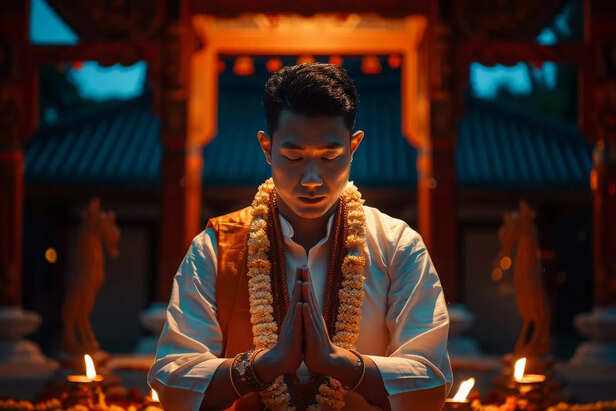
A time for reflection
Image credit : Freepik
For countless devotees, hair donation is linked to a vow. A prayer answered. A child born. A health scare resolved. A long-standing problem eased. When something deeply desired comes to pass, devotees return to Tirupati to fulfill a promise they made in hope.
The act is not transactional in the commercial sense. It is personal gratitude. By offering something visible and meaningful, devotees mark a moment in their life where faith carried them through uncertainty. That emotional closure is often more important than the ritual itself.
4. Starting Fresh Without Carrying the Past
This is why many devotees tonsure their heads before darshan. They want to stand before the deity without carrying emotional or psychological baggage. It is a way of telling oneself that whatever came before this moment has been acknowledged and released.
In a world where people struggle to move on mentally, this physical reset holds surprising psychological value.
5. Equality in a Place Where Status Disappears
Everyone looks the same. Everyone sits on the same floor. Everyone bows the same way.
This equality is not symbolic. It is visible and lived. In that moment, devotees experience something rare in daily life: a space where no one stands above another. For many, this is one of the most powerful spiritual experiences of the entire pilgrimage.
6. Trust That the Offering Is Used for Good
Devotees see their personal sacrifice turn into collective benefit. The idea that something given in faith can help feed strangers or fund medical care strengthens belief rather than weakening it. It reassures people that devotion and responsibility can coexist.
7. Choosing Faith Over Vanity in a Modern World
That choice itself is meaningful. It reflects a willingness to be vulnerable, to look different, and to prioritize belief over social approval. For many young devotees, this is not tradition inherited without thought, but a conscious decision that feels grounding in an overstimulated world.