The booking confirmation looks identical whether it came from the airline's own site or from an aggregator app. The difference is invisible until something goes wrong, and then it is the only thing that matters.
When a flight is cancelled, a hotel overbooks, or a connecting train disappears from the board, you are not dealing with a travel problem. You are dealing with a contract problem. Who holds your money, who owes you a remedy, and who has the authority to move you to the next available option, those answers change entirely depending on where you clicked confirm.
What Direct Booking Actually Gives You
When you book directly with an airline, hotel, or train operator, your contract is with them. There is no intermediary sitting between your complaint and the person who can fix it. A cancelled IndiGo flight booked on IndiGo's own site means IndiGo's customer service agent can rebook you on the next available seat, issue a voucher, or process a refund without waiting for a third party to release the ticket back into their system first.
Hotels operate the same way. A direct reservation means the property's front desk has full authority over your booking. When a room is oversold, front desks typically protect direct guests before OTA bookings, because the hotel paid no commission on your stay and has a loyalty relationship to protect. This is not a written policy anywhere, it is how the economics of the situation play out at the counter at midnight.
The cost of going direct is usually a higher listed price and the time spent comparing across multiple sites yourself. Some airlines and hotel chains now offer a best-rate guarantee on their own platforms, which has narrowed that gap, but not closed it.
![Empty Hotel Reception at Night]()
Empty Hotel Reception at Night
Image credit : AI
The quiet hotel reception awaits, a silent testament to the anticipation of a traveler's arrival. I wonder about the stories behind each booking, perhaps a MakeMyTrip booking or a direct one.
What the App Gives You, and Takes Away
Aggregator apps, MakeMyTrip, EaseMyTrip, Goibibo, Booking.com, earn their place by showing you options side by side and, often, by bundling a lower price through negotiated inventory or cashback. For a straightforward trip where nothing breaks, they work well. The problem is what happens to your booking when it does break.
When a flight is cancelled and your ticket lives inside a third-party platform, the airline's obligation runs to the platform, not to you directly. The airline will rebook or refund the platform. The platform will then process your claim according to its own policy and timeline, which may be slower, may carry a service fee, and may require you to initiate the process through their app rather than at the airport counter. In a situation where seats on the next flight are filling fast, that delay is measured in options disappearing.
Some platforms have improved their crisis handling significantly. MakeMyTrip's 24-hour support line and in-app cancellation flow are genuinely faster than they were five years ago. But the structural problem remains: you are one step removed from the operator who controls the inventory.
The Hidden Cost Nobody Calculates
Price comparison almost always ignores the cost of resolution time. A flight booked Rs 800 cheaper through an app that takes eleven days to process a refund has a real cost attached to that saving, the float on your money, the hours spent on hold, and the stress of a disputed claim sitting unresolved while you plan the next trip.
There is also the question of what happens to ancillary add-ons. A seat selection, a meal preference, or an extra baggage allowance purchased through a third-party platform sometimes does not transfer cleanly to the airline's system. When the airline cancels and rebuilds your booking on a new flight, those extras can vanish. Getting them reinstated means going back to the platform, which goes back to the airline, which may or may not have a record of the original purchase.
Travel insurance sold through aggregator apps is worth reading carefully. Some policies exclude claims that arise from bookings made on the same platform, a circularity that surfaces only when you try to use it.
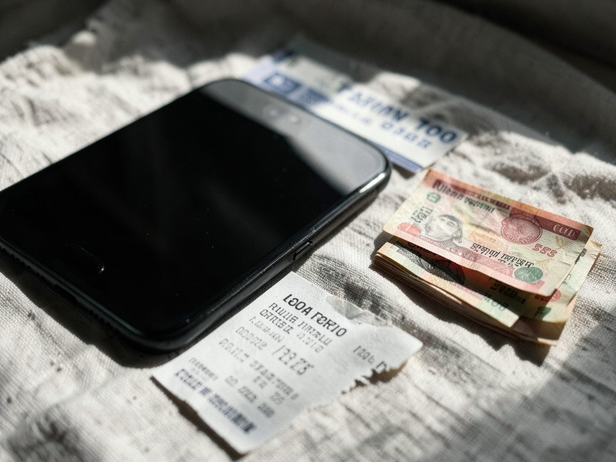
![Travel Essentials Laid Out]()
Travel Essentials Laid Out
Image credit : AI
Preparing for my trip, I check my flight details and currency. Booking direct vs travel app India is a consideration.
When the App Is the Right Call
Third-party booking makes clear sense in specific situations. Comparing prices across multiple carriers for a route with genuine competition is faster and more reliable on an aggregator than opening six airline tabs. Hotel searches across a city for a one-night stay, where the risk of disruption is low and the price gap is meaningful, favour the app. International travel where you are comparing currencies and carriers simultaneously is where aggregators earn their existence.
The calculus shifts for long trips, peak-season travel, routes with limited alternatives, or any journey where a disruption would strand you somewhere expensive. The more consequential the trip, the more the direct booking's crisis advantages are worth paying for.
Some travellers use a hybrid approach: research and compare on an aggregator, then book directly once they have identified the best option. This captures the price intelligence of the platform without surrendering the direct relationship. The aggregator loses its commission; you keep your leverage.
What to Do Before You Confirm
Before clicking confirm anywhere, check three things. First, who holds your money, the operator or the platform, and what their refund timeline is, stated in writing, not in a customer service chat. Second, whether the price difference is large enough to absorb a potential resolution delay. Third, whether the route has realistic alternatives if the primary option fails. A direct Delhi-to-Leh flight in October has almost no alternatives if it cancels. The Rs 600 you saved on the booking is not the relevant number when you are looking at a hotel night you did not plan for.
The booking channel is a decision about risk, not just price. Every trip that goes smoothly makes the cheaper option look correct. The trips that do not go smoothly are the ones that reveal what the choice actually cost.