
This One Change Could Make Every Vacation Feel Like a True Experience
Megha Jangra | Sept 26, 2025, 09:09 IST

This One Change That Transforms Vacations
Image credit : Unsplash
In today’s fast-paced world, travel is often reduced to checklists and Instagram shots. But slow travel offers a refreshing alternative, immersing yourself deeply in a place, its people, and its rhythm. This article explores what slow travel is, why it matters, and how it can transform the way we connect with the world.
Most of us are guilty of rushing through our holidays snapping photos, checking off landmarks, and catching the next train or flight before we’ve had time to breathe. While this style of travel has its thrills, it often leaves us with memories that blur together. Enter slow travel: a philosophy that prioritizes depth over speed, connection over consumption. It’s not about how many places you see, but how profoundly you experience them.
![Journey at Your Own Pace]()
Slow travel isn’t just about moving at a leisurely pace, it’s about changing your entire approach to travel. Instead of hopping from one destination to another, you spend extended time in fewer places, allowing the culture, history, and community to unfold naturally. Whether it’s staying in a small village for two weeks or taking local transport instead of flights, slow travel means embracing presence.
![The Power of Going Solo]()
Rushing through tourist hotspots often keeps us on the surface. Slow travel allows you to engage with locals, understand traditions, and observe daily life. A cooking lesson with a family or a casual chat with a shopkeeper can teach you more about a culture than any guidebook.
Slow travel supports local economies by encouraging longer stays in smaller guesthouses, eating at local restaurants, and buying handicrafts directly from artisans. It also reduces the carbon footprint compared to fast, frequent travel.
Travel isn’t just about places it’s about transformation. When you slow down, you notice details: the way morning light hits cobblestone streets, the rhythm of conversations in a café, or the calm of a countryside walk. These small yet profound moments create lasting impressions.
Packing multiple cities into a week is exhausting. Slow travel gives you the freedom to rest, wander, and savor without the constant pressure of “what’s next.”
![The Solo Traveler’s View]()
![Living Traditions Through Slow Travel]()
Festivals often reveal the heart of a culture, and slow travel gives you the chance to live them fully. Take Navratri in Gujarat as an example. Many tourists rush to attend a single night of garba, click photos, and move on. But a slow traveler stays longer joining local families, learning the meaning behind each day of the festival, tasting traditional foods like khichu and fafda-jalebi, and even shopping for handmade chaniya cholis from neighborhood markets instead of malls.
By the end of nine nights, the traveler doesn’t just see Navratri as a dance festival but as a community rhythm where devotion, music, food, and togetherness come alive. This deeper immersion is what makes slow travel memorable: you don’t just witness traditions, you become part of them.
In the post-pandemic era, travelers are rethinking what journeys mean. With rising concerns about sustainability and a desire for meaningful experiences, slow travel is no longer a niche it’s becoming a necessity. It aligns with conscious living, mindfulness, and respect for both the planet and its people.
Slow travel reminds us that journeys are not measured in miles but in moments. It shifts focus from how many pictures we post to how many stories we carry within. Whether it’s sharing tea with a stranger, participating in a local festival, or simply sitting quietly to absorb the atmosphere, slow travel transforms holidays into life experiences.
So next time you plan a trip, ask yourself: do you want to just see a place, or truly know it?
FAQs(Frequently Asked Questions)
What is Slow Travel?
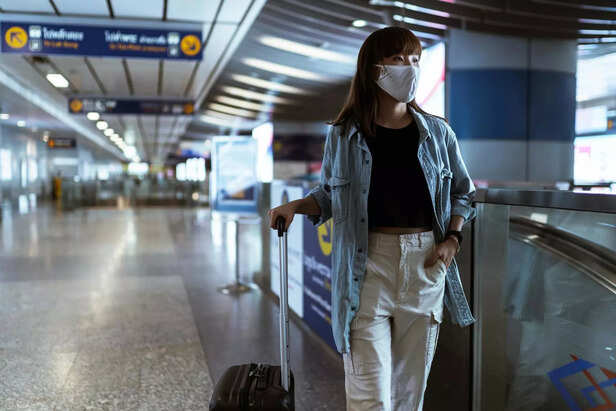
Journey at Your Own Pace
Image credit : Pexels
Slow travel isn’t just about moving at a leisurely pace, it’s about changing your entire approach to travel. Instead of hopping from one destination to another, you spend extended time in fewer places, allowing the culture, history, and community to unfold naturally. Whether it’s staying in a small village for two weeks or taking local transport instead of flights, slow travel means embracing presence.
Why Slow Travel Matters

The Power of Going Solo
Image credit : Pexels
1. Deeper Cultural Connection
2. Sustainable Tourism
3. Personal Growth
4. Less Stress, More Joy
How to Practice Slow Travel
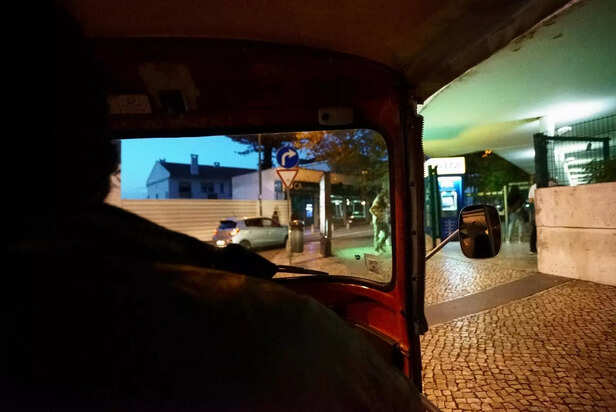
The Solo Traveler’s View
Image credit : Pexels
- Choose Fewer Destinations: Instead of five cities in ten days, pick one or two and explore them thoroughly.
- Stay Longer: Rent a homestay, Airbnb, or guesthouse and make it your temporary home.
- Use Local Transport: Trains, buses, bicycles, or even walking let you see a place at its natural pace.
- Eat Like a Local: Skip international chains—try street food stalls, family-run cafés, or regional specialties.
- Engage with People: Attend community events, volunteer, or simply strike up conversation.
- Allow Unplanned Moments: Don’t schedule every hour. Leave room for serendipity.
Stories from Slow Travel
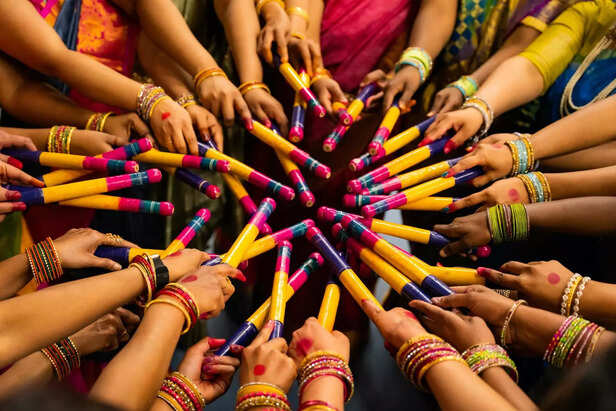
Living Traditions Through Slow Travel
Image credit : Pexels
Festivals often reveal the heart of a culture, and slow travel gives you the chance to live them fully. Take Navratri in Gujarat as an example. Many tourists rush to attend a single night of garba, click photos, and move on. But a slow traveler stays longer joining local families, learning the meaning behind each day of the festival, tasting traditional foods like khichu and fafda-jalebi, and even shopping for handmade chaniya cholis from neighborhood markets instead of malls.
By the end of nine nights, the traveler doesn’t just see Navratri as a dance festival but as a community rhythm where devotion, music, food, and togetherness come alive. This deeper immersion is what makes slow travel memorable: you don’t just witness traditions, you become part of them.
Why Now is the Time for Slow Travel
Final Reflections
So next time you plan a trip, ask yourself: do you want to just see a place, or truly know it?
FAQs(Frequently Asked Questions)
- Are there downsides or challenges to slow travel?
It can require more planning, patience, and flexibility; some may find the slower pace frustrating or feel pressure from others used to fast itineraries. - How can slow travel help me avoid tourist traps?
Spending more time allows you to explore beyond popular attractions, discover hidden gems, and build relationships that lead to authentic experiences. - What are some common misconceptions about slow travel?
Many think it’s only for retirees or luxury travelers, but it’s adaptable for varied budgets, ages, and travel styles focused on quality over quantity.