A group tour brochure does one thing well: it makes a complicated trip look simple. One number, one itinerary, one call to book. What it does not do is tell you what that number excludes, and in most packages departing from India, the exclusions are where the real spending happens.
The Brochure Price Is a Floor, Not a Ceiling
![Bustling Airport Departure Hall]()
Bustling Airport Departure Hall
Image credit : AI
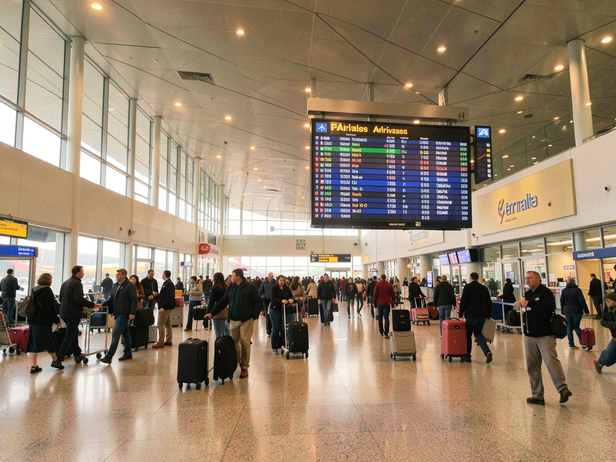
Navigating the busy international airport departure hall, a key part of any group tour from India.
Most group tour packages from India quote a land cost or a land-plus-flight cost. Neither includes visa fees, which for a European Schengen visa or a US visa can run between ₹10,000 and ₹18,000 per person in fees alone, before the cost of travel to a VFS centre or the time lost to document preparation. Travel insurance, mandatory for Schengen entry and strongly advisable everywhere else, adds another ₹3,000 to ₹8,000 depending on the destination and your age. Ask the operator to quote you the total cost including visa assistance, insurance, and airport transfers at both ends. If they resist giving you a single number, that resistance is itself useful information.
Optional Excursions That Are Not Really Optional
Tour operators build their itineraries around a base programme, then offer excursions at each destination as add-ons. On paper, these are optional. In practice, when the group boards a boat for the Amalfi Coast or a cable car in the Swiss Alps and you have declined to pay, you wait at the hotel or the coach. The excursions are priced at the destination in local currency, typically at a significant markup over what you would pay booking independently. Ask for a full list of excursions offered on the tour, their per-person cost, and what the day looks like for anyone who skips them. A reputable operator answers this without hesitation.
Single Supplement, Tipping Norms, and the Meal Gap
![Travel Planning Essentials]()
Travel Planning Essentials
Image credit : AI
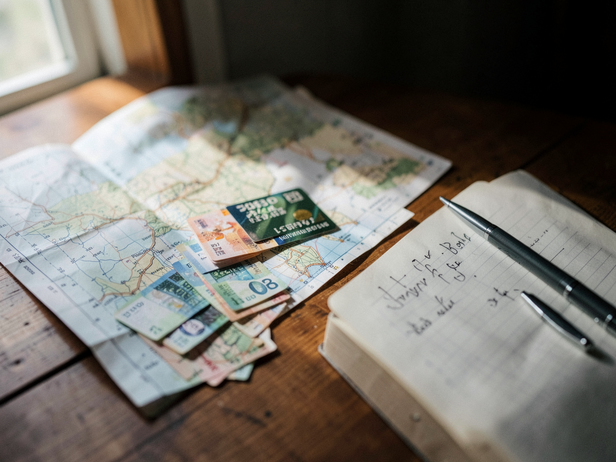
Preparing for an international group tour from India? This scene captures the essence of planning, from maps to currency.
If you are travelling alone, the single supplement can add 30 to 50 percent to your package cost. This is not a penalty, it reflects the actual cost of a room, but it is rarely prominent in the brochure. Ask upfront whether the operator can match you with another solo traveller to share, and whether there is a waiting list for that arrangement. Tipping is a separate line that almost no brochure mentions. In Europe and Southeast Asia, tipping the tour manager and the local guides is a strong convention; budgeting ₹500 to ₹800 per person per day is reasonable. Meals are another gap: most packages include breakfast and a handful of group dinners. Lunch is typically self-funded, and in tourist-heavy cities in Europe or Japan, a sit-down lunch for two can cost ₹2,500 to ₹4,000 at current exchange rates.
Currency and the Hidden Exchange Margin
How you carry money on a group tour matters more than most first-time travellers expect. Airport forex counters in India and at the destination offer rates that can be 4 to 7 percent worse than the interbank rate. A prepaid forex card loaded in advance from a bank or a reputable forex provider locks in a better rate and removes the risk of carrying large amounts of cash. Credit cards with zero foreign transaction fees are useful for hotels and larger purchases. Ask the operator whether any on-tour payments, excursions, porterage, entry fees, are collected in rupees or in local currency, because the answer changes how much you should carry.
Questions to Ask Before You Sign
Write these down and get answers in writing, not over a phone call. What is the total cost per person including visa, insurance, airport transfers, and taxes? What is the single supplement and is room-sharing available? Which meals are included and which are not? What excursions are offered, at what cost, and what does the day look like if you skip one? What is the tipping convention and the expected amount? What is the cancellation and refund policy if the tour is cancelled by the operator or by you? What happens if a flight delay causes you to miss the group departure? A tour operator who finds these questions excessive is one worth reconsidering. The questions are not unusual, they are the minimum a traveller needs to know before committing.