The cheapest seat on any Indian domestic flight is not a fixed thing waiting to be found at the right moment. It is one slot in a tiered pricing system that airlines fill from the bottom up, and once it is gone, it does not come back regardless of how far in advance you book next time.
What a Fare Bucket Actually Is
![Indian Airport Dawn Arrival]()
Indian Airport Dawn Arrival
Image credit : AI
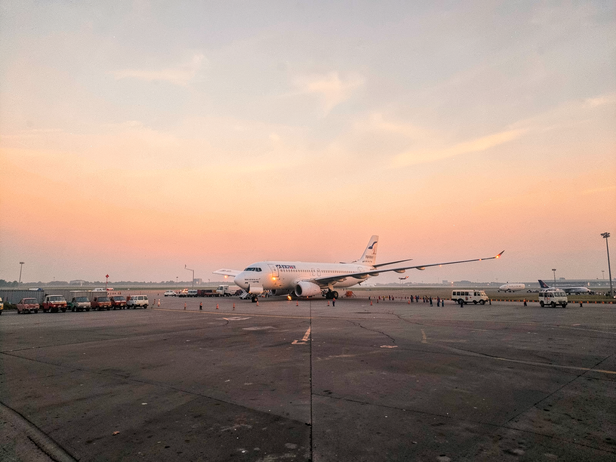
Early morning at a generic Indian airport, with an aircraft awaiting departure. Discover domestic flight booking India for your next journey.
Airlines divide every flight into inventory classes, each assigned a letter code. On IndiGo, Air India, or Vistara, a single Delhi-to-Mumbai departure might carry eight to twelve of these classes, each with a different price and a different set of conditions around change fees, cancellations, and baggage. The lowest bucket, often labelled Q or V, holds a small number of seats at the cheapest price. When those seats sell, the system automatically opens the next bucket at a higher price. This is not surge pricing in the ride-hailing sense. The airline set all the prices before the flight went on sale. It is a queue, and you are either early enough in it or you are not.
The Booking Window for Indian Routes
For metro-to-metro routes, Delhi, Mumbai, Bengaluru, Chennai, Hyderabad, Kolkata, the lowest buckets tend to open between six weeks and three months before departure. Booking nine months out rarely gets you the lowest fare; it gets you a mid-tier bucket that the airline holds open for early corporate buyers who need flexibility. The sweet spot for leisure travel on trunk routes is roughly forty-five to seventy-five days before flying. Tier-two routes, say Lucknow to Guwahati or Jaipur to Kochi, behave differently. Fewer seats, less competition between carriers, and thinner demand mean the lowest bucket may stay open longer or may never open at all if the route is thin enough. On these routes, last-minute fares can occasionally be cheaper than advance fares because the airline would rather fill the seat at a lower price than fly it empty. This is the exception, not the rule, and betting on it for a trip that matters is a gamble with poor odds.
What Actually Drives a Price Spike
![Airport Departure Board Ambience]()
Airport Departure Board Ambience
Image credit : AI
Navigating the departure board for domestic flight booking India. A moment of anticipation before travel.
Three things move Indian airfares upward in ways that are predictable. First, school holidays, the May-June window, Diwali week, and the December-January break, compress demand into a narrow band. Airlines know this and price accordingly from the moment the schedule opens. Second, exam seasons move surprisingly large volumes of passengers on specific routes; Kota to home cities in Rajasthan and UP see spikes around board exam dates that most travellers do not anticipate. Third, IPL fixtures push fares on routes connecting host cities during match weeks. None of these are secrets the airline is hiding. They are demand events the pricing algorithm has already priced in before you open the booking page.
The Myths That Cost Money
Clearing your browser cookies does not lower the fare. Airlines serve prices from their own inventory systems, not from a cookie stored in your browser. The price you saw an hour ago was from a different fare bucket that sold in the intervening time, or it was a display error on an aggregator. Either way, your cookies had nothing to do with it. Booking on a Tuesday or Wednesday does not reliably produce cheaper fares on Indian carriers the way the claim once had some basis in US markets. Indian carriers reprice dynamically and continuously; there is no weekly reset. Flying at 6 a.m. is cheaper not because the airline prices the hour differently but because demand for that slot is lower, so the lower buckets stay open longer. The time of day is a proxy for demand, not a pricing rule. The most expensive mistake Indian flyers make is waiting for a fare to drop after it has already risen. Once a bucket closes, it does not reopen. A fare that has gone up on a route with high demand will not come back down before departure. Waiting is not a strategy at that point. It is hope.
How to Use This in Practice
Set a fare alert on Google Flights or Ixigo for the route and travel window you need. When the alert fires at a price you find acceptable, book it. Do not wait to see if it goes lower. If you are travelling during a demand event, move your booking window to sixty to ninety days out and treat any fare in that window as the real market price, because it is. For tier-two routes, check the airline's own website alongside aggregators, some carriers hold back a small allocation of the lowest bucket for direct bookings. The difference is rarely dramatic, but on a thin route it can be a few hundred rupees that aggregators simply do not see.