
Can India Overtake the US and China in the Global Economic Race?
Nidhi | Jan 22, 2026, 19:40 IST

Economists hail India GDP estimates, trade deal with US to further boost investments
Image credit : IANS
India is the world’s fastest-growing major economy and is expected to become the third-largest globally. Speaking at the World Economic Forum in Davos, global investor David Rubenstein said India could become the world’s largest economy within the next 20 to 30 years. This article reports on his statements, India’s growth outlook, the role of private investment, and how shifting US–China trade dynamics are reshaping the global economic race.
India is currently the world’s fastest-growing major economy and is projected to overtake Germany to become the third-largest economy globally. Speaking to The Economic Times on the sidelines of the World Economic Forum in Davos, Switzerland, David Rubenstein, co-founder of the US-based Carlyle Group, said that India could become the world’s largest economy in the coming decades.
Rubenstein stated that India could reach the top position within 20 to 30 years, based on its current economic trajectory. His remarks were made in the context of India’s sustained growth and increasing global economic relevance.
![India 'defining partner of 21st century', key to counter China: US lawmakers urge tie reset]() Addressing concerns around geopolitical relationships, Rubenstein said there was no cause for worry regarding ties between India and the United States. He noted that Donald Trump has generally expressed positive views about the US–India relationship and has appointed a close associate as ambassador to India, indicating continued diplomatic engagement.
Addressing concerns around geopolitical relationships, Rubenstein said there was no cause for worry regarding ties between India and the United States. He noted that Donald Trump has generally expressed positive views about the US–India relationship and has appointed a close associate as ambassador to India, indicating continued diplomatic engagement.
Rubenstein also highlighted the importance of private capital in India’s growth story. He advised Indian policymakers not to view global private equity, private credit, and private investment as purely Western financial instruments. According to him, when these markets are allowed to develop, well-capitalised Indian entrepreneurs are also likely to participate actively.
He explained that private equity involves investing in companies that are not publicly listed, while private credit refers to companies providing loans directly rather than through traditional banking channels. These forms of investment, he said, represent newer approaches to financing business growth.
Carlyle Group has invested over USD 8 billion in India across multiple sectors, reflecting continued foreign private investment interest in the country.
![India and China hold discussions on future engagements, export control issues]() On US–China relations, Rubenstein said the US trade policy toward China was aimed at correcting trade imbalances rather than harming China. He noted that as China faced challenges in the US market, it expanded exports to other regions. As a result, China’s annual trade surplus has crossed USD 1 trillion, driven by increased sales in non-US markets.
On US–China relations, Rubenstein said the US trade policy toward China was aimed at correcting trade imbalances rather than harming China. He noted that as China faced challenges in the US market, it expanded exports to other regions. As a result, China’s annual trade surplus has crossed USD 1 trillion, driven by increased sales in non-US markets.
The comments from Rubenstein provide insight into how global investors and business leaders are assessing India’s long-term economic prospects amid shifting global trade and investment patterns.
Rubenstein stated that India could reach the top position within 20 to 30 years, based on its current economic trajectory. His remarks were made in the context of India’s sustained growth and increasing global economic relevance.
View on US–India Relations
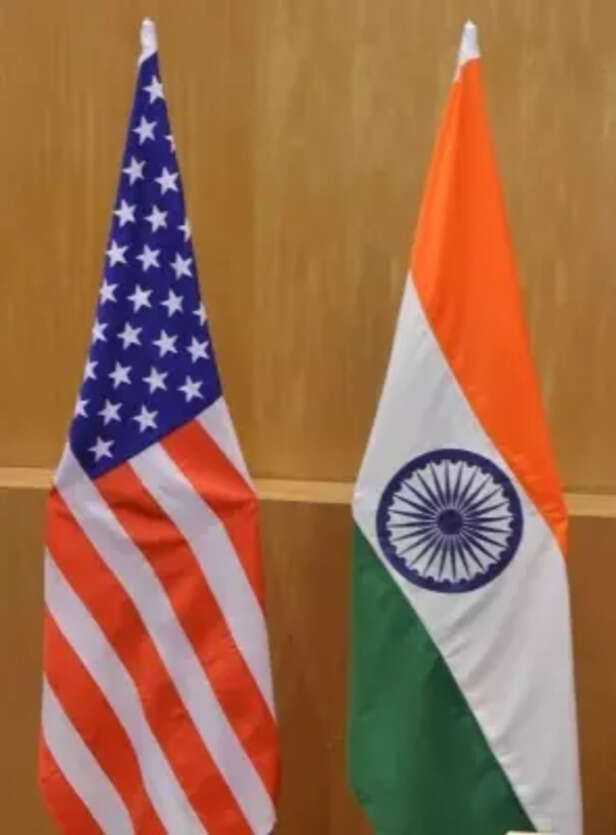
India 'defining partner of 21st century', key to counter China: US lawmakers urge tie reset
Image credit : IANS
Focus on Private Capital and Policy
He explained that private equity involves investing in companies that are not publicly listed, while private credit refers to companies providing loans directly rather than through traditional banking channels. These forms of investment, he said, represent newer approaches to financing business growth.
Carlyle Group has invested over USD 8 billion in India across multiple sectors, reflecting continued foreign private investment interest in the country.
Comments on US–China Trade Dynamics
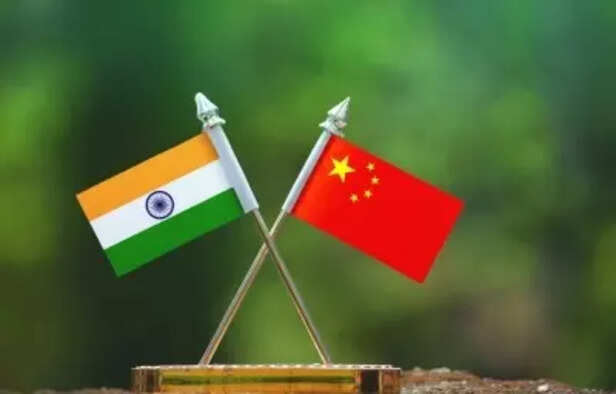
India and China hold discussions on future engagements, export control issues
Image credit : IANS
The comments from Rubenstein provide insight into how global investors and business leaders are assessing India’s long-term economic prospects amid shifting global trade and investment patterns.