
How Can a $5 Trillion Economy Have a Rupee Falling to 89? The Contradiction
Nidhi | 2ec 02, 2025, 23:29 IST

Rupee falls to 89
Image credit : Ai
India is on track to become a $5 trillion economy, yet the Rupee has fallen to 89 against the US Dollar — a contradiction that has raised concern among economists and citizens alike. This article examines why a fast-growing nation continues to struggle with a weakening currency. From high import dependence and inflation to external debt, a strong US Dollar, and structural trade imbalances, the analysis explains the real forces shaping the Rupee’s decline and what this means for India’s economic future.
India is marching toward a $5 trillion economy, rising to become the world’s third-largest economic power, driven by consumption, infrastructure, manufacturing push, and global investor confidence. Yet, despite this growth, the Rupee has slipped to 89.92 per US Dollar, its weakest value ever. The contradiction is striking: how can one of the world’s fastest-growing economies have one of Asia’s weakest currencies?
The answer lies in India’s external economic vulnerabilities, not its domestic growth story.
Key pressures dragging the Rupee down include:
![Rupee to trade in 89-90 per dollar range in Dec, RBI unlikely to cut rates]() India’s economy is expanding rapidly, but currency strength is determined by external stability, not domestic growth. Even with high consumption, rising investments, and strong corporate performance, the Rupee weakens because India struggles with external balances—especially the current account deficit and inflation. A strong currency needs low inflation, trade surpluses, and strong export earnings, areas where India remains structurally weak.
India’s economy is expanding rapidly, but currency strength is determined by external stability, not domestic growth. Even with high consumption, rising investments, and strong corporate performance, the Rupee weakens because India struggles with external balances—especially the current account deficit and inflation. A strong currency needs low inflation, trade surpluses, and strong export earnings, areas where India remains structurally weak.
India’s CAD averages: –1.2% to –2% of GDP
Inflation averages: 5–6%, above RBI’s 4% target
Global export share: just 1.9%, flat for a decade India imports far more than it exports, and every import transaction increases demand for US Dollars. The biggest burden is oil: 85% of India’s crude oil is imported, making the Rupee extremely sensitive to global price shocks. Electronics, gold, and machinery imports have surged as well, widening the trade deficit. This high import bill forces India to keep buying dollars, dragging the Rupee down year after year.
![US dollar may no longer be sole anchor in global currency, rupee remains strong]()
FY24 trade deficit: ~$240 billion
Electronics imports: over $100 billion
Gold imports: $45–50 billion annually Since 2022, the US Federal Reserve’s aggressive rate hikes have strengthened the Dollar dramatically. When US interest rates rise, global money flows back to America, pushing the Dollar Index above 106, its highest in two decades. Most global currencies weakened, but the Rupee slipped more sharply because India already has a fragile external position. India’s reliance on imported energy and foreign capital amplifies Dollar-driven shocks.
Dollar Index (DXY): 106+
Rupee depreciation since 2010: –60%
Yuan decline since 2010: –12%![India to remain world's fastest growing economy in FY26: OECD]() Inflation has been one of India’s long-term weaknesses. Food inflation frequently jumps due to weather disruptions, supply shortages, or global commodity movements. Higher inflation reduces purchasing power and lowers real returns for investors holding Rupee-denominated assets. Even if India grows economically, a currency will weaken if inflation consistently outpaces productivity and wages.
Inflation has been one of India’s long-term weaknesses. Food inflation frequently jumps due to weather disruptions, supply shortages, or global commodity movements. Higher inflation reduces purchasing power and lowers real returns for investors holding Rupee-denominated assets. Even if India grows economically, a currency will weaken if inflation consistently outpaces productivity and wages.
India’s long-term inflation: 5–6%
Food inflation spikes: often 8–10%
Impact: Lower investor confidence in Rupee assets India benefits from large foreign portfolio inflows, but FPIs are unpredictable—they enter during global optimism and exit at the first sign of risk. When foreign investors sell Indian stocks and bonds, they convert Rupees into Dollars, triggering immediate currency weakness. This inflow–outflow cycle makes the Rupee especially vulnerable in periods of global turmoil or US rate hikes.
![Nifty, Sensex open under pressure amid weak rupee, FPI outflows]()
2022 FPI outflow: ₹1.21 lakh crore
2023 FPI inflow: ₹1.7 lakh crore
2024: Repeated sell-offs around Fed decisions India’s external debt stands at $663 billion, but the pressure point is short-term debt—obligations that must be repaid within a year. This amount alone is nearly $130 billion, meaning India must constantly maintain enough Dollar liquidity. As global borrowing costs rise, refinancing becomes more expensive, increasing the demand for Dollars and weakening the Rupee over time.
Total external debt: $663B
Short-term debt: $130B
Effect: Continuous dollar requirement = downward Rupee pressure The Reserve Bank of India intervenes only to stop sharp volatility, not to reverse the Rupee’s long-term trend. This is a strategic choice: a weaker Rupee supports exports, IT revenues, and remittances. RBI uses its reserves—currently around $645 billion—to smooth fluctuations but avoids keeping the Rupee artificially high. This controlled depreciation keeps the economy stable during global shocks but results in a gradual, persistent currency decline.
![From 10th to 4th largest economy: Nilesh Shah hails India’s decade of rapid growth]()
Forex reserves: ~$645B
RBI objective: stable, not strong Rupee
Outcome: slow, deliberate depreciation India’s rise is powered mainly by domestic consumption, services, and infrastructure. However, countries with strong currencies—like Japan, China, Germany, and South Korea—achieved that through powerful export sectors. India’s manufacturing share remains stuck at around 17%, and global export share has been stagnant. This limits India’s ability to earn consistent Dollars and puts structural pressure on the Rupee.
Private consumption: 58% of GDP
Manufacturing share: ~17% of GDP
Exports share: 22% of GDP India’s economic rise is real and unstoppable, but the Rupee reflects the external vulnerabilities still shaping India’s financial landscape. High imports, inflation, Dollar dominance, external debt, weak manufacturing, and volatile capital flows all combine to hold the Rupee down—even as GDP accelerates.
To strengthen the Rupee, India must:
A booming economy with a steadily falling currency.
Two realities. One India.
The answer lies in India’s external economic vulnerabilities, not its domestic growth story.
Key pressures dragging the Rupee down include:
- High import dependency
- A large trade deficit
- Persistent inflation
- Strong US Dollar cycle
- Volatile foreign investor flows
- Rising external debt
- Weak export competitiveness
1. Strong GDP Growth Doesn’t Guarantee a Strong Currency
Rupee to trade in 89-90 per dollar range in Dec, RBI unlikely to cut rates
Image credit : IANS
India’s CAD averages: –1.2% to –2% of GDP
Inflation averages: 5–6%, above RBI’s 4% target
Global export share: just 1.9%, flat for a decade
2. India’s Heavy Import Dependence Weakens the Rupee Continuously

US dollar may no longer be sole anchor in global currency, rupee remains strong
Image credit : IANS
FY24 trade deficit: ~$240 billion
Electronics imports: over $100 billion
Gold imports: $45–50 billion annually
3. The Dollar’s Global Strength Has Intensified Rupee Pressure
Dollar Index (DXY): 106+
Rupee depreciation since 2010: –60%
Yuan decline since 2010: –12%
4. Persistent Inflation Eats Away the Rupee’s Real Value

India to remain world's fastest growing economy in FY26: OECD
Image credit : IANS
India’s long-term inflation: 5–6%
Food inflation spikes: often 8–10%
Impact: Lower investor confidence in Rupee assets
5. Volatile Foreign Investor Flows Cause Frequent Rupee Swings
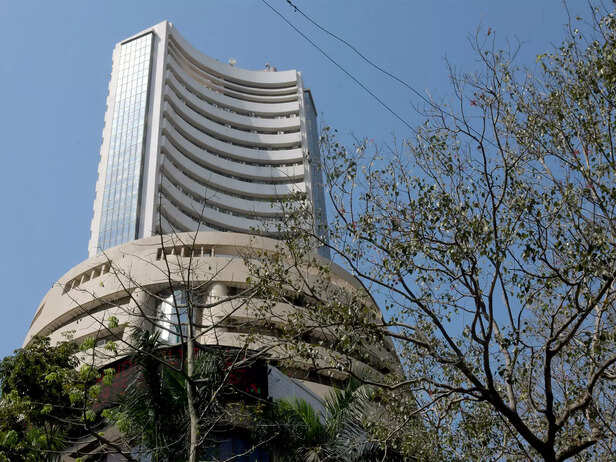
Nifty, Sensex open under pressure amid weak rupee, FPI outflows
Image credit : ANI
2022 FPI outflow: ₹1.21 lakh crore
2023 FPI inflow: ₹1.7 lakh crore
2024: Repeated sell-offs around Fed decisions
6. External Debt Adds Long-Term Dollar Pressure
Total external debt: $663B
Short-term debt: $130B
Effect: Continuous dollar requirement = downward Rupee pressure
7. RBI Is Allowing a Controlled, Not Prevented, Currency Fall

From 10th to 4th largest economy: Nilesh Shah hails India’s decade of rapid growth
Image credit : IANS
Forex reserves: ~$645B
RBI objective: stable, not strong Rupee
Outcome: slow, deliberate depreciation
8. India’s Growth Is Domestic-Driven, Not Export-Led — And That Shows
Private consumption: 58% of GDP
Manufacturing share: ~17% of GDP
Exports share: 22% of GDP
A Strong Economy With a Weak External Spine
To strengthen the Rupee, India must:
- Reduce import dependence
- Boost high-value manufacturing
- Increase exports
- Maintain low inflation
- Build stronger forex reserves
- Attract stable, long-term capital
A booming economy with a steadily falling currency.
Two realities. One India.