
Rupee Near 90? Here Are 9 Everyday Things That Will Get Costlier for Indians
Nidhi | Dec 12, 2025, 12:32 IST

Inflation
Image credit : Freepik
The rupee is sliding toward 90 per US dollar, and this shift will directly affect the cost of daily living in India. As the rupee weakens, India pays more for crude oil, edible oil, medicines, electronic parts, fertilizers and other essential imports. This article explains why the rupee is falling and lists nine everyday items that will become more expensive, including fuel, groceries, medicines, school supplies, home appliances and digital services. It offers a clear and practical breakdown of how currency depreciation shapes household expenses.
The Indian rupee has been sliding toward 88 to 90 per dollar, and this decline affects daily life across India. The country depends heavily on imports for fuel, medicines, electronics, farm inputs and many essential goods. When the rupee loses value, these imports become more expensive, and households eventually pay more for daily necessities.
A weaker rupee is not an abstract financial story. It influences what people spend on food, transport, school supplies, healthcare, cooking gas and everyday appliances.
![Rupee slides over weak global cues, FII outflows]() Higher interest rates in the United States attract global investments. Investors buy more dollars, which weakens currencies like the rupee.
Higher interest rates in the United States attract global investments. Investors buy more dollars, which weakens currencies like the rupee.
India’s trade deficit crossed 250 billion dollars in FY24. Crude oil, edible oil, smartphones, chemicals, fertilizers, electronic parts and machinery all require dollar payments.
India buys almost 85 percent of its crude oil from abroad. Even if global oil prices remain steady, a fall in the rupee raises India’s oil bill.
India’s inflation is higher than that of the US. This long term trend causes natural depreciation of the rupee.
When global markets are uncertain, investors pull money out of India into safer US assets, which raises demand for dollars.
India imports energy, electronic components, medical supplies and fertilizers. Companies pay more in dollars and pass these costs to consumers through regular price increases. Over time the effect becomes visible in grocery bills, medical bills, transport fares, home repairs and utility expenses.
![petrol pump]() Fuel prices will rise when the rupee weakens because crude oil is priced in dollars. This affects daily items such as:
Fuel prices will rise when the rupee weakens because crude oil is priced in dollars. This affects daily items such as:
![Supermarket]() Essential foods become expensive when import costs rise. Items affected include:
Essential foods become expensive when import costs rise. Items affected include:
![Medicine]() India’s healthcare system depends on imported materials. Items and services that become costlier include:
India’s healthcare system depends on imported materials. Items and services that become costlier include:
![school life]() Education costs rise in many ways when the rupee falls. Items affected include:
Education costs rise in many ways when the rupee falls. Items affected include:
![Phones]() Household electronics rely on imported components. Items that become costlier include:
Household electronics rely on imported components. Items that become costlier include:
![Number of poor families getting cheap LPG under Ujjwala scheme rises to 10.6 crore]() Cooking and household gas usage will get more expensive. This affects:
Cooking and household gas usage will get more expensive. This affects:
The cost of moving people and goods rises when fuel becomes expensive. This affects:
![construction]() Regular household maintenance also depends on imported components. Items affected include:
Regular household maintenance also depends on imported components. Items affected include:
Many digital products and services people use daily are billed in dollars. These may become expensive:
A weaker rupee is not an abstract financial story. It influences what people spend on food, transport, school supplies, healthcare, cooking gas and everyday appliances.
Why The Rupee Keeps Falling

Rupee slides over weak global cues, FII outflows
Image credit : IANS
The US dollar has strengthened
India imports more than it exports
Crude oil dependence
Persistent inflation
Outflow of foreign investment
How A Weak Rupee Touches Daily Life
Rupee Near 90 : 9 Everyday Things That Will Get Costlier For Indians
1. Petrol, Diesel and LPG
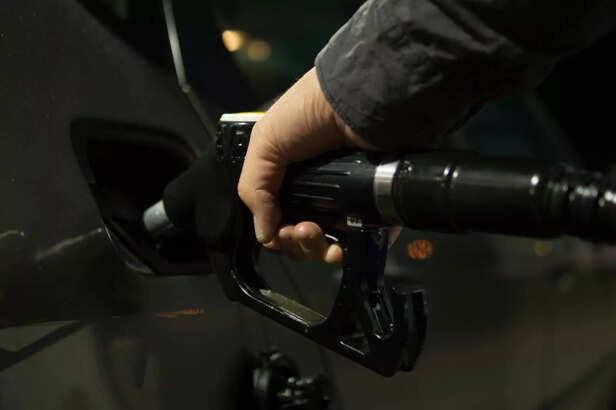
petrol pump
Image credit : Pexels
- Petrol and diesel at pumps
- LPG cylinders
- PNG at home
- CNG vehicle refills
2. Groceries and Food Items
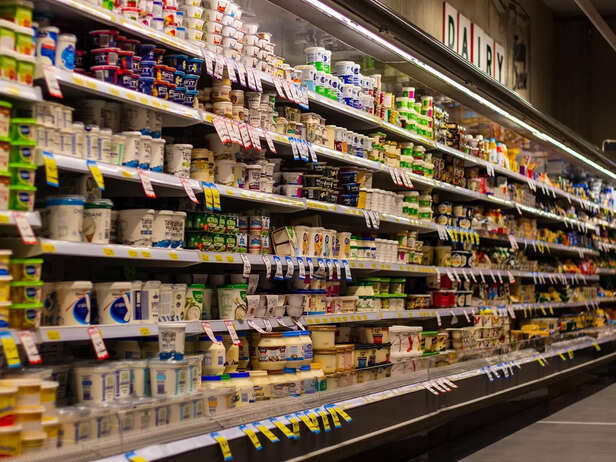
Supermarket
Image credit : Pixabay
- Edible oils such as sunflower, soybean and palm oil
- Pulses such as masoor, chana, moong and tur
- Dry fruits like almonds, cashews and walnuts
- Packaged foods using imported ingredients such as chocolates, snacks and sauces
- Fertilizers used for wheat, rice, vegetables and fruits
3. Medicines, Hospital Tests and Healthcare

Medicine
Image credit : Pixabay
- Common medicines such as antibiotics, paracetamol, anti allergy tablets and diabetes medicines
- Imported drugs for cancer, heart issues and critical care
- CT scans, MRI scans and blood tests because machines and spare parts are imported
- Surgical consumables like stents, syringes, catheters and implants
4. School Expenses and Learning Supplies

school life
Image credit : Freepik
- Textbooks and notebooks because paper pulp is imported
- School uniforms and shoes due to higher fabric and transportation costs
- Digital learning software used by schools
- Pens, pencils, erasers, geometry boxes and art supplies
- Computer labs, smart boards and projectors that use imported parts
5. Mobile Phones and Everyday Electronics

Phones
Image credit : Freepik
- Mobile phones from brands such as Samsung, Xiaomi and Apple
- Chargers, power banks, headphones and Bluetooth speakers
- Televisions, refrigerators, washing machines and air conditioners
- Induction cooktops, mixer grinders and microwave ovens
- Computer parts such as SSDs, RAM, monitors and printers
6. LPG Cylinders, PNG and CNG
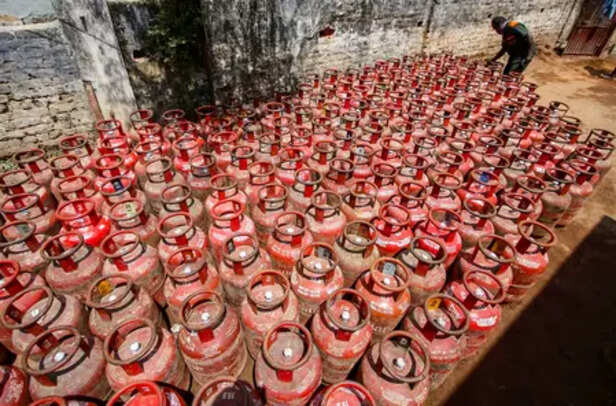
Number of poor families getting cheap LPG under Ujjwala scheme rises to 10.6 crore
Image credit : IANS
- Domestic LPG cylinder refills
- PNG supply for kitchens
- CNG vehicles such as autos and cabs
7. Local Transport, Commute and Deliveries
- Auto rickshaw and taxi fares
- Ola, Uber and Rapido rides
- Bus ticket prices
- Metro operational costs that may lead to fare adjustments
- Zomato, Swiggy and Blinkit delivery fees
- Amazon and courier delivery charges
8. Home Repairs and Common Appliances

construction
Image credit : Pixabay
- RO filters and water purifier cartridges
- Inverters, stabilizers, batteries and chargers
- Ceiling fans, LED bulbs, switches and wiring
- Refrigerator compressors and AC motors
- Water pumps and kitchen chimney parts
9. Digital Services and Online Subscriptions
- Cloud storage services such as Google One and Apple iCloud
- Productivity apps such as Microsoft Office and antivirus plans
- Streaming platforms such as Netflix, Amazon Prime and Spotify
- Online course platforms such as Coursera and Udemy
- Hosting, domains and email services