
“Get Better Facts” Vishal Dadlani Targets Dhurandhar 2’s Demonetisation Story
Nidhi | Mar 24, 2026, 13:27 IST

AICWA condemns repeated safety violations on sets of Ranveer Singh-starrer ‘Dhurandhar 2’
Image credit : IANS
The release of Dhurandhar: The Revenge (Part 2) has sparked conversations far beyond box office numbers. While the Ranveer Singh starrer is performing strongly in theatres, a parallel debate has emerged around its portrayal of India’s 2016 demonetisation. At the centre of this discussion is singer and composer Vishal Dadlani, whose recent social media activity has drawn widespread attention.
What Triggered the Controversy
This cinematic interpretation has divided audiences. While some viewers see it as a creative take within a fictional spy universe, others have questioned whether it oversimplifies or reshapes a complex real world policy decision.
Vishal Dadlani’s Reaction
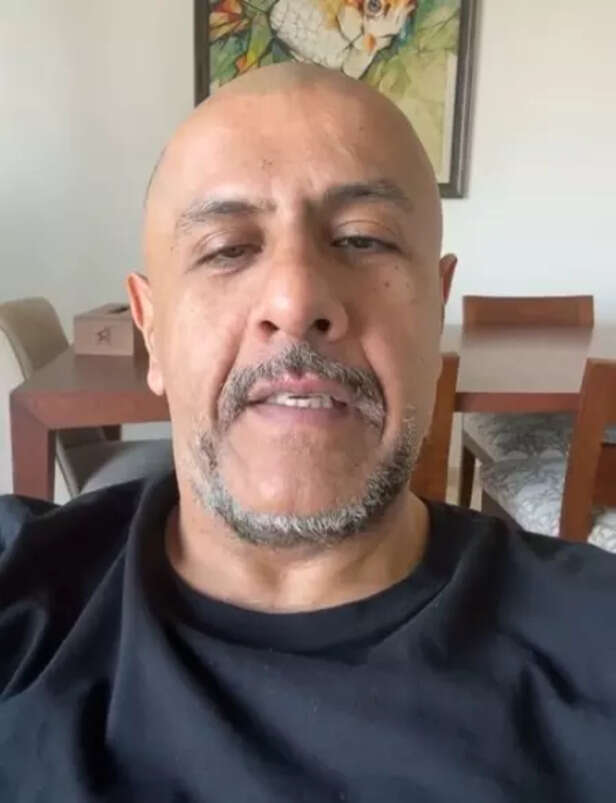
Vishal Dadlani mocks 10-hour ‘Vande Mataram’ debate in Parliament: India’s unemployment problem has been solved
Image credit : IANS
In one of his posts, he emphasized the distinction between cinema and reality, stating that films are meant for entertainment and facts should be understood separately. In another widely shared remark, he wrote, “Watch films for fun, but get your information from better sources.”
These statements quickly went viral, triggering discussions across social media platforms.
Why His Comments Matter
His approach remained indirect, but the timing and context led many to connect his remarks to the film’s storyline.
The Real Event vs Cinematic Interpretation
However, the move had wide ranging economic and social effects, and its outcomes have been debated extensively over the years. By contrast, Dhurandhar 2 presents a dramatized version tied to espionage and national security, which is a fictionalized interpretation rather than a documented account.
Film’s Performance Amid the Debate
This highlights how large scale films can simultaneously achieve commercial success while also sparking public discourse.
Ongoing Public Discussion
Vishal Dadlani’s remarks have added another layer to this conversation, encouraging audiences to separate storytelling from factual understanding.