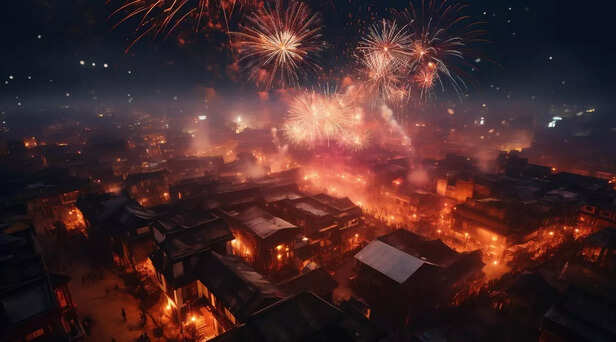
In the glittering rush of metros from Delhi’s skyline bursting with fireworks to Mumbai’s illuminated high-rises , Diwali often feels like a show of lights and luxury. But step away from the city chaos, and you’ll find the real heart of Diwali beating quietly yet beautifully in small-town India. Here, the festival isn’t just a display; it’s an emotion woven into daily life ; personal, pure, and profoundly rooted in tradition.
From the narrow lanes of Varanasi to the quiet courtyards of Satna, small towns celebrate Diwali the way our grandparents once did with community spirit, simple rituals, and heartfelt devotion that no LED decoration can replace.
The Days Leading Up to Diwali
![how India celebrates Diwali]()
how India celebrates Diwali
Image credit : Pixabay
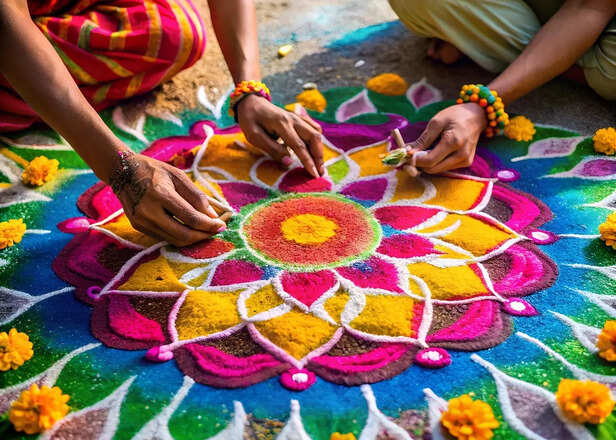
In small towns, Diwali doesn’t arrive overnight; it builds up like a season. Two weeks before the festival, the entire town begins to transform. Families whitewash their homes, paint fresh rangolis on the doorstep, and bring out stored diyas from old wooden trunks.
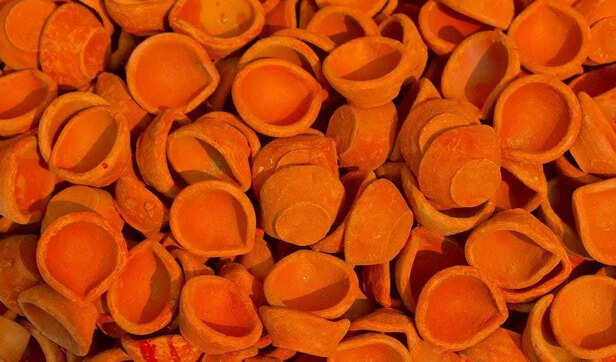
Markets come alive not with mall discounts but with the aroma of fresh sweets and the sight of handmade clay lamps. Local potters, often ignored the rest of the year, suddenly become the most important people in town. Their stalls overflow with diyas, idols of Lakshmi and Ganesha, and small decorative pots.
In towns like Gaya, Mathura, and Rewa, women gather in courtyards to roll out mathris, gujiyas, and namak paras in bulk snacks that will later be shared with neighbors and visiting relatives. Children, meanwhile, help string up marigold garlands or test handmade lanterns crafted from old paper. The excitement is more about togetherness than extravagance.
When Rituals Still Matter
![Diwali customs and rituals]()
Diwali customs and rituals
Image credit : Pixabay
For most city dwellers, Diwali has turned into a long weekend of social media posts, parties, and expensive gifts. But in small-town India, rituals remain sacred.
The day of Dhanteras sees homes decorated with fresh mango leaves and torans, and families buy something symbolic , a brass utensil, a silver coin, or even a new broom — considered auspicious for prosperity.
On Choti Diwali, people clean their homes once again, not just physically but spiritually. The belief is that Goddess Lakshmi only enters houses that are pure in both body and spirit.
When Badi Diwali arrives, the evening prayers are a community affair. In places like Gorakhpur or Ujjain, families gather together at the local temple, carrying diyas in decorated thalis. The chanting of mantras and the smell of incense fill the air. After the aarti, the entire town seems to glow , not because of LED bulbs, but because of thousands of earthen lamps flickering in unison.
Diyas Over LEDs: The Beauty of Handcraft
![Diwali diyas tradition]()
Diwali diyas tradition
Image credit : Pixabay
One of the most endearing things about small-town Diwali is how it keeps the art of diya-making alive.
In clay-producing belts like Khurja (Uttar Pradesh) and Kumartuli (West Bengal), potters spend weeks crafting diyas of different shapes lotus-shaped, leaf-shaped, or traditional round ones. Families buy dozens, not for décor, but for lighting every corner of the house rooftops, staircases, and even the backyard cow shed.
Lighting diyas here is a ritual of gratitude. Every lamp is believed to chase away ignorance and darkness. The act of lighting them, often done by the eldest woman in the family, holds deep meaning , a gesture of hope, warmth, and divine blessing.
A Festival for the Entire Community
In small towns, Diwali blurs social boundaries. The grocer, the schoolteacher, the tailor, and the postman everyone participates in each other’s celebrations.
In Bundelkhand’s villages, families exchange homemade sweets rather than store-bought chocolates. In Bihar’s smaller towns, neighbors gather in open terraces to share stories, sing bhajans, or simply watch fireworks together. Even those who work in nearby cities try their best to return home in time for the festival.
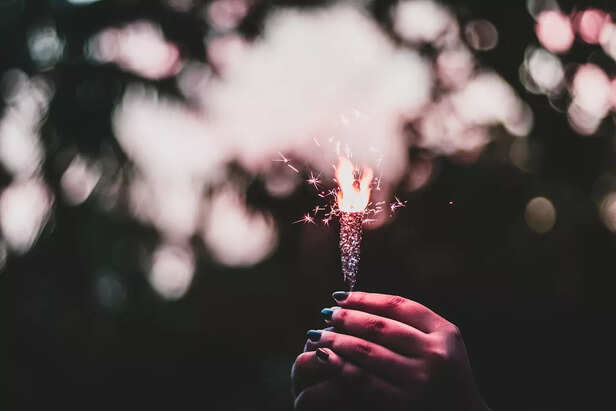
Children run around with sparklers, calling out to each other by name, while elders sit on charpoys sipping tea, reminiscing about how “Diwali used to be” even though, in these towns, it still is.
Markets That Tell Stories
If you’ve ever visited a small-town Diwali bazaar, you know it’s a world in itself. Stalls line the streets selling everything from handmade toys and glass bangles to local snacks like chakli and thekua. The atmosphere is festive yet familiar.
Unlike urban malls, these markets are personal. The shopkeeper knows his customers by name. There’s no rush, no pushing crowds ,just cheerful bargaining, friendly chatter, and the feeling that Diwali isn’t about what you buy, but how you celebrate.
Local artisans often display crafts that cities have long forgotten , hand-painted diyas, wooden toys, embroidered torans. In this way, Diwali becomes more than a festival; it becomes an ecosystem that sustains local art and livelihood.
The Return of Sweets Made with Love
For many, Diwali tastes like besan laddoos, boondi, and soan papdi. But in small towns, it’s more than taste , it’s memory. Every household has its own recipe, often passed down through generations.
Women begin preparing sweets days in advance, carefully roasting ingredients over slow fire. Some even send small boxes of their homemade treats to nearby temples as offerings. The gesture is not about showing off culinary skill but sharing joy.
Unlike city sweets, which often come from branded stores, small-town sweets are made at home, wrapped in care, and shared with neighbors before being eaten by the family itself.
Fireworks : With a Sense of Restraint
![Indian festival of lights]()
Indian festival of lights
Image credit : Pixabay
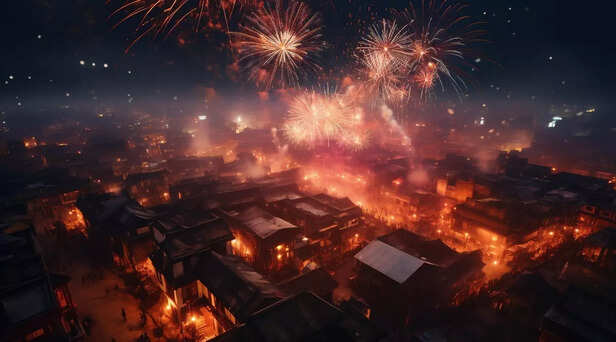
While city skylines explode in continuous bursts of fireworks, small-town celebrations remain mindful. Children light sparklers, adults set off a few firecrackers, but most of the night is reserved for lighting diyas and offering prayers.
There’s an unspoken understanding that Diwali is about deep, not dhamaal. The joy comes from the glow of the lamps, the laughter of families, and the collective silence that follows the evening prayers.
This sense of balance between fun and faith is something small towns have managed to preserve beautifully.
The Emotional Homecoming
For countless Indians who migrate to big cities for work, Diwali is the time they return home. Railway stations in small towns see emotional reunions sons hugging mothers, suitcases filled with gifts, and the unmistakable smell of home-cooked food greeting tired travelers.
This annual migration isn’t just about a festival; it’s about roots. People come back not only to celebrate but to reconnect with their origins , their families, their soil, their sense of belonging.
No matter how much modern life changes them, Diwali in their hometown reminds them of who they truly are.
Faith That Still Feels Personal
In small towns, faith isn’t performed for Instagram; it’s lived. The morning after Diwali, people rise early for Govardhan Puja using cow dung to create miniature mountains symbolizing Lord Krishna’s protection of the villagers.
On Bhai Dooj, sisters apply tilak to their brothers’ foreheads, not for photo ops but for heartfelt blessings. The simplicity of these acts holds a quiet power that no grand event can match.
For these towns, Diwali isn’t just the triumph of light over darkness , it’s the reaffirmation of faith, family, and moral values that continue to hold society together.
Why It Matters More Than Ever
![how India celebrates Diwali]()
how India celebrates Diwali
Image credit : Pixabay
In an age of digital distractions and consumerism, small-town Diwali feels like a gentle reminder of what we’ve lost and what we must hold onto. It shows us that festivals aren’t about how much we spend but how deeply we feel.
While cities may flaunt their neon-lit streets and imported decor, it’s the humble diya in a small home that truly captures the essence of Diwali , simple, sacred, and shining with love.
A Festival That Still Connects Hearts
As the night deepens and the diyas flicker softly, small-town India glows not just with light but with warmth. The festival may be the same everywhere, but its meaning feels purer here.
Diwali in small towns is not a performance , it’s a prayer. A prayer for peace, for prosperity, and for the light that continues to guide India’s soul, one diya at a time.