
Who Was Rehman Dakait, the Gangster Who Killed His Mother at 15 and Ruled Lyari by 21?
Nidhi | Dec 23, 2025, 18:29 IST

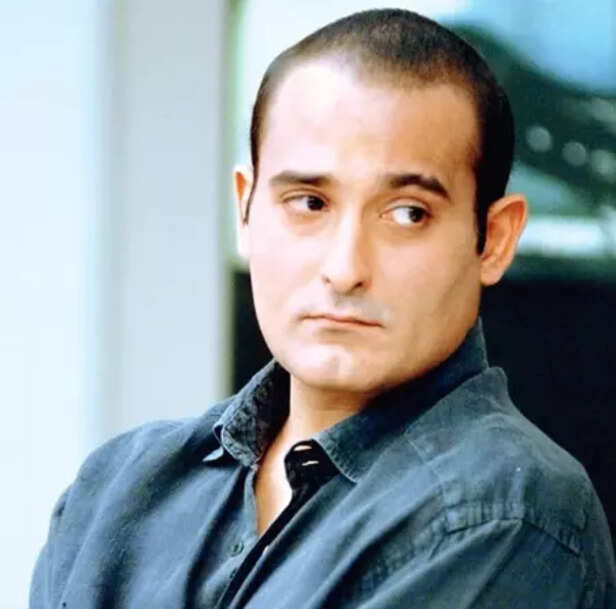
Rehman dakait, Image credit : Times of India
Rehman Dakait was one of Pakistan’s most feared gangsters, rising from the violent streets of Lyari to become its dominant power by the age of 21. Born into a world of crime, his life took a shocking turn when he killed his own mother at just 15, an act that cemented his reputation for extreme brutality. This article traces Rehman Dakait’s real-life story, from his early crimes and role in Lyari’s deadly gang wars to his political ambitions, controversial police encounter in 2009, and the aftermath of his death, which continues to raise unanswered questions.
As Dhurandhar continues its record-breaking run in theatres, one performance has stood out across audiences and critics alike: Akshaye Khanna’s chilling portrayal of Baloch gangster Rehman Dakait. The whistles and applause that greet his entry on screen underline how convincingly the actor brings to life a man whose real-life story was even darker and more complex than the film suggests.
Rehman Dakait was not a fictional creation. His rise and fall shaped one of Karachi’s bloodiest chapters, turning Lyari into a battlefield for nearly a decade. Long before cinema revisited his life, Rehman had already become a symbol of fear, power, and unanswered questions.
![Arjun Rampal, Akshaye Khanna spell terror in supercharged ‘Dhurandhar’ trailer]() Born Abdul Rehman in 1976 near Karachi, he grew up in Lyari, one of Pakistan’s poorest and most densely populated localities. Lyari had long been plagued by a deep crime-police nexus, where gangs controlled daily life and the rule of law was weak.
Born Abdul Rehman in 1976 near Karachi, he grew up in Lyari, one of Pakistan’s poorest and most densely populated localities. Lyari had long been plagued by a deep crime-police nexus, where gangs controlled daily life and the rule of law was weak.
Rehman was the son of Dad Mohammad and his second wife Khadija. His father and uncles were already involved in drug trafficking and extortion rackets, operating in constant rivalry with other Lyari gangs led by figures like Baboo Dakait and Haji Lalu. Violence was not an exception in this environment; it was routine.
Former Lyari SP Fayyaz Khan later told the BBC that gang rivalries in the area frequently escalated into bloody clashes. One such clash resulted in the killing of Rehman’s uncle, Taj Mohammad, allegedly by the rival Baboo Dakait gang. This incident is widely considered one of the earliest triggers that hardened Rehman’s path into violent crime.
Rehman Dakait’s descent into crime began unusually early. At just 13 years old, he stabbed and injured a man after being stopped from bursting crackers in Lyari. The incident marked the beginning of a rapid escalation in violence.
By the age of 15, Rehman had already killed two rival drug peddlers following a dispute. But the most disturbing episode of his early life came in 1995, when he shot dead his own mother, Khadija, inside their home.
When questioned, Rehman reportedly told police that he believed his mother had become a police informant. However, multiple reports suggest another motive: Rehman suspected she was involved in a relationship with a rival gang member. This moment would later be depicted in Dhurandhar, but in real life, it cemented his reputation as someone capable of crossing any boundary.
Later in 1995, Rehman was arrested for possession of weapons and drugs. He spent nearly two and a half years in jail before escaping while being transported from Karachi jail to court. After fleeing, he went into hiding in Balochistan, where he began laying the foundation for his return to Lyari as a far more powerful figure.
By the early 2000s, Rehman Dakait had emerged as one of the most influential gang leaders in Lyari. By the age of 21, he had effectively established himself as the area’s dominant force. He amassed wealth, properties, and political connections, reportedly owning assets not just in Karachi and Balochistan but also in Iran.
He married three times and had 13 children. More importantly, he controlled key criminal businesses including drug smuggling, extortion, kidnapping, gambling, and the illegal arms trade.
!['Dhurandhar' outshines 'Animal' and 'Jawan', sets historic box office milestone on second Saturday]() Rehman’s rise was accompanied by unprecedented bloodshed. Initially aligned with Haji Lalu, he later fell out with him, triggering a brutal gang war that engulfed Lyari. Estimates suggest that over 3,500 people were killed during this period as rival gangs battled for control.
Rehman’s rise was accompanied by unprecedented bloodshed. Initially aligned with Haji Lalu, he later fell out with him, triggering a brutal gang war that engulfed Lyari. Estimates suggest that over 3,500 people were killed during this period as rival gangs battled for control.
According to The Express Tribune, Lyari was paralysed for nearly a decade as Rehman’s gang fought rivals such as Arshad Pappu and his associates. By the early 2000s, Rehman had eliminated much of the opposition and began referring to himself as Lyari’s undisputed ruler.
It was during this phase that he rebranded himself as Sardar Abdul Rahman Baloch and formed the Peoples Aman Committee. His ambitions now extended beyond crime. He sought political legitimacy in an area that had historically produced national leaders, including Zulfikar Ali Bhutto and Benazir Bhutto.
The scale of violence eventually forced the state to respond. In 2006, the Lyari Task Force was formed under the leadership of SP Chaudhry Aslam to dismantle gang networks in the area.
That same year, Rehman was reportedly arrested by the Task Force, though the arrest was never officially recorded. According to BBC reports, Chaudhry Aslam later received a phone call from PPP leader Asif Ali Zardari, instructing him not to carry out an encounter and to proceed legally. Rehman was allegedly kept at safe houses of police officers before escaping once again.
In 2009, police tracked Rehman Dakait using phone data and intercepted him near Quetta. Reports claim he was stopped at a checkpoint and produced a fake identity card. When asked to speak to a senior officer, Rehman approached a vehicle and came face to face with Chaudhry Aslam.
He was detained along with three associates. According to accounts, Rehman attempted to offer money to resolve the situation, but the offer was refused. Shortly afterward, Rehman Dakait and his companions were killed in a police encounter.
Police stated that Rehman was wanted in over 80 criminal cases, including murder and kidnapping.
However, controversy followed. Maulana Abdul Majeed Sarbazi of the Peoples Aman Committee cited autopsy reports indicating that Rehman had been shot from a distance of three feet, raising doubts about whether the killings occurred during a genuine encounter.
Rehman Dakait’s death did not bring immediate closure. He received what was described as the largest funeral Lyari had ever seen. His widow approached the Sindh High Court, alleging that the encounter was fake. Although the court ordered a report, the case was never conclusively resolved.
In a further twist of fate, Chaudhry Aslam was killed in a Taliban suicide attack in 2014.
As Dhurandhar prepares for its sequel, which will reportedly explore the aftermath of Rehman’s death, his real-life story continues to provoke debate. Was he merely a brutal criminal, or a product of systemic failure in Lyari? Did his killing end violence, or merely change its form?
What remains undisputed is this: Rehman Dakait’s life, beginning with the killing of his own mother at 15 and ending in a controversial encounter, stands as one of the darkest and most complex crime sagas in South Asian history.
Rehman Dakait was not a fictional creation. His rise and fall shaped one of Karachi’s bloodiest chapters, turning Lyari into a battlefield for nearly a decade. Long before cinema revisited his life, Rehman had already become a symbol of fear, power, and unanswered questions.
Early life in Lyari
Arjun Rampal, Akshaye Khanna spell terror in supercharged ‘Dhurandhar’ trailer
Image credit : IANS
Rehman was the son of Dad Mohammad and his second wife Khadija. His father and uncles were already involved in drug trafficking and extortion rackets, operating in constant rivalry with other Lyari gangs led by figures like Baboo Dakait and Haji Lalu. Violence was not an exception in this environment; it was routine.
Former Lyari SP Fayyaz Khan later told the BBC that gang rivalries in the area frequently escalated into bloody clashes. One such clash resulted in the killing of Rehman’s uncle, Taj Mohammad, allegedly by the rival Baboo Dakait gang. This incident is widely considered one of the earliest triggers that hardened Rehman’s path into violent crime.
A criminal path that began in childhood
By the age of 15, Rehman had already killed two rival drug peddlers following a dispute. But the most disturbing episode of his early life came in 1995, when he shot dead his own mother, Khadija, inside their home.
When questioned, Rehman reportedly told police that he believed his mother had become a police informant. However, multiple reports suggest another motive: Rehman suspected she was involved in a relationship with a rival gang member. This moment would later be depicted in Dhurandhar, but in real life, it cemented his reputation as someone capable of crossing any boundary.
Arrest, escape, and consolidation of power
By the early 2000s, Rehman Dakait had emerged as one of the most influential gang leaders in Lyari. By the age of 21, he had effectively established himself as the area’s dominant force. He amassed wealth, properties, and political connections, reportedly owning assets not just in Karachi and Balochistan but also in Iran.
He married three times and had 13 children. More importantly, he controlled key criminal businesses including drug smuggling, extortion, kidnapping, gambling, and the illegal arms trade.
Lyari gang wars and mass violence

'Dhurandhar' outshines 'Animal' and 'Jawan', sets historic box office milestone on second Saturday
Image credit : ANI
According to The Express Tribune, Lyari was paralysed for nearly a decade as Rehman’s gang fought rivals such as Arshad Pappu and his associates. By the early 2000s, Rehman had eliminated much of the opposition and began referring to himself as Lyari’s undisputed ruler.
It was during this phase that he rebranded himself as Sardar Abdul Rahman Baloch and formed the Peoples Aman Committee. His ambitions now extended beyond crime. He sought political legitimacy in an area that had historically produced national leaders, including Zulfikar Ali Bhutto and Benazir Bhutto.
Police crackdown and Chaudhry Aslam
That same year, Rehman was reportedly arrested by the Task Force, though the arrest was never officially recorded. According to BBC reports, Chaudhry Aslam later received a phone call from PPP leader Asif Ali Zardari, instructing him not to carry out an encounter and to proceed legally. Rehman was allegedly kept at safe houses of police officers before escaping once again.
The encounter that ended it all
He was detained along with three associates. According to accounts, Rehman attempted to offer money to resolve the situation, but the offer was refused. Shortly afterward, Rehman Dakait and his companions were killed in a police encounter.
Police stated that Rehman was wanted in over 80 criminal cases, including murder and kidnapping.
However, controversy followed. Maulana Abdul Majeed Sarbazi of the Peoples Aman Committee cited autopsy reports indicating that Rehman had been shot from a distance of three feet, raising doubts about whether the killings occurred during a genuine encounter.
Aftermath and unresolved questions
In a further twist of fate, Chaudhry Aslam was killed in a Taliban suicide attack in 2014.
As Dhurandhar prepares for its sequel, which will reportedly explore the aftermath of Rehman’s death, his real-life story continues to provoke debate. Was he merely a brutal criminal, or a product of systemic failure in Lyari? Did his killing end violence, or merely change its form?
What remains undisputed is this: Rehman Dakait’s life, beginning with the killing of his own mother at 15 and ending in a controversial encounter, stands as one of the darkest and most complex crime sagas in South Asian history.