
Why Ekadashi Fasting Holds Great Significance in Hinduism
Vaibhav Kochar | Sept 26, 2025, 14:27 IST

Lord Krishna
Image credit : Freepik
Ekadashi is a significant spiritual day observed by Hindus. It occurs on the eleventh day after each full or new moon. Families fast, pray, and meditate during this time. Fasting is believed to promote willpower and self-control. It also gives the digestive system a break. Ekadashi fosters community through family gatherings and temple visits.
Ekadashi isn’t just another thing that is followed because their grandma told them to. It’s got this whole mystical vibe. Happens on the eleventh day after the full or new moon, which sounds random, but Hindus actually see it as a big spiritual day to hit pause, shake off the bad vibes, and fill the tank with good energy. Loads of families cling to it, not just for the ritual, but because it’s like, they genuinely believe this stuff works. Fast, pray, chill, repeat every lunar fortnight. Supposedly, all this brings you peace, maybe some good luck, and if you’re lucky, a high-five from the universe.
![Anti-Ekadashi food]()
Fasting isn’t just about torturing your stomach. On Ekadashi, it’s got this willpower bootcamp thing that goes on inside. You’re ditching food, but also checking in with yourself… which is wild in a world filled with distractions. It’s a day for mental yoga: self-control, patience, emotional spring cleaning.
It's definitely discipline, but also somewhat of a therapy for the spirit. You can step off, skip a meal, breathe in the fresh air and automatically the fierce chaos of life has lost its distraction.
![Prayers]()
Let’s be real, after all the heavy eating, your digestive system is basically screaming for a break. Ekadashi kind of forces you into detox mode, no grains, no greasy laddoos, just fruits and nuts and stuff that doesn’t leave you needing a nap. By the next day, you sort of feel, well, reborn. It’s like pressing ‘refresh’ on your body and mind, which, with all the dirt we deal with, in our daily lives. No need for expensive juice cleanses, just follow the moon, eat lighter, and call it self-care.
Ekadashi fasting isn’t just about making your stomach rumble out of devotion. Whether you fast as a total warrior, or try a watered-down version, it is a sort of opportunity to check in with yourself, to clear your head, and to connect with something larger than yourself.
Ekadashi isn’t just about what you eat, it’s got this cool social angle, too. Families get together, neighbors pile into temples, and the whole village sometimes turns into one giant group chat for prayers and devotional jams. It keeps the old-school vibes alive, makes everyone feel like they belong, and honestly, in a country as massive as India, anything that brings people together is a win. It’s less about flexing spiritual muscles and more about reuniting again.
Explore the latest trends and tips in Health & Fitness, Travel, Life Hacks, Fashion & Beauty, and Relationships at Times Life !
Spiritual Benefits of Fasting
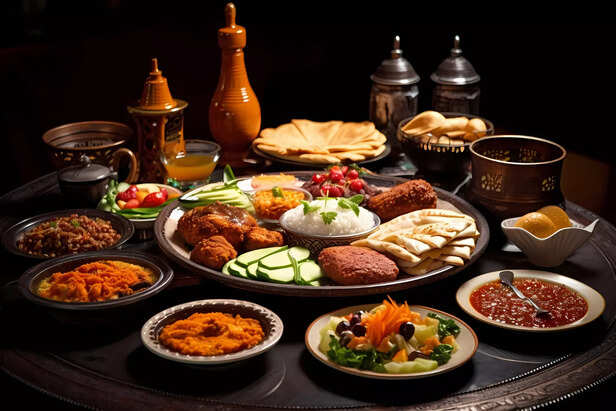
Anti-Ekadashi food
Image credit : Freepik
Fasting isn’t just about torturing your stomach. On Ekadashi, it’s got this willpower bootcamp thing that goes on inside. You’re ditching food, but also checking in with yourself… which is wild in a world filled with distractions. It’s a day for mental yoga: self-control, patience, emotional spring cleaning.
It's definitely discipline, but also somewhat of a therapy for the spirit. You can step off, skip a meal, breathe in the fresh air and automatically the fierce chaos of life has lost its distraction.
Health Bonus: Your Stomach Gets a Day Off

Prayers
Image credit : Freepik
Let’s be real, after all the heavy eating, your digestive system is basically screaming for a break. Ekadashi kind of forces you into detox mode, no grains, no greasy laddoos, just fruits and nuts and stuff that doesn’t leave you needing a nap. By the next day, you sort of feel, well, reborn. It’s like pressing ‘refresh’ on your body and mind, which, with all the dirt we deal with, in our daily lives. No need for expensive juice cleanses, just follow the moon, eat lighter, and call it self-care.
Ekadashi fasting isn’t just about making your stomach rumble out of devotion. Whether you fast as a total warrior, or try a watered-down version, it is a sort of opportunity to check in with yourself, to clear your head, and to connect with something larger than yourself.
Family, Flashbacks, and the Rituals
Explore the latest trends and tips in Health & Fitness, Travel, Life Hacks, Fashion & Beauty, and Relationships at Times Life !
Frequently Asked Questions (FAQs)
- Can someone observe Ekadashi fasting without skipping food completely?
Yes, many people follow partial fasting by eating fruits and light meals. - Is Ekadashi fasting only for older or religious people?
No, people of all ages can observe it based on their capacity. - Does Ekadashi fasting have any effect on mental clarity?
Yes, fasting reduces distraction and helps in improving focus and calmness. - Can non-Hindus also observe Ekadashi fasting?
Yes, the practice is open to anyone seeking discipline and peace.