
Why Do So Few Indians Say They’re Proud of Their Country? New Global Survey Explains
Nidhi | Feb 18, 2026, 17:31 IST

India
Image credit : Freepik
A recent Pew Research Center global survey has revealed that many Indians struggle to name specific reasons they feel proud of their country. Compared to respondents in 25 other nations, Indian participants mentioned history, culture and politics at significantly lower rates, with nearly one-third unable to identify a source of pride.
A striking finding from a recent Pew Research Center survey is that many Indians give surprisingly few specific answers when asked what makes them proud of their country. Out of 33,486 people surveyed across 25 nations, India stood out for how often respondeir own words, with responses later coded into categories such as culture, lifestyle, politics, economy, people, history and diversity.
One of the most notable findings is that about 31 % of Indian respondents either refused to answer or said they didn’t know what made them proud of India - the highest “non-response” rate among the 25 countries surveyed. This means almost one in three Indians could not identify a specific aspect of their country that made them feel proud in a free-text answer.
This does not mean Indians feel negative about their country overall, but it does suggest a relative uncertainty or lack of strong association with specific traditional pride factors compared with other nations.
![india]()
Despite India’s long history and rich cultural traditions, only a very small proportion of respondents mentioned these as sources of pride:
Other common sources of national pride in many countries also registered relatively low responses among Indian participants:
It is important to understand what these findings do and do not imply:
![Currency in circulation hits record Rs 40 lakh crore even as UPI grows: Report]()
In many other countries in the same survey:
Experts caution against simple interpretations. National pride can be expressed in many forms — and open-ended interviews often show nuances that simple multiple-choice questions do not capture.
It could also reflect generational or regional differences in how Indians think about identity and national achievements. Survey results sometimes differ from other polls that measure pride through direct rating scales rather than open-ended questions.
1. Many Indians Couldn’t Name Specific Sources of Pride
This does not mean Indians feel negative about their country overall, but it does suggest a relative uncertainty or lack of strong association with specific traditional pride factors compared with other nations.
2. Very Low Mention of Culture, History and Symbolic Heritage
india
Image credit : Pixabay
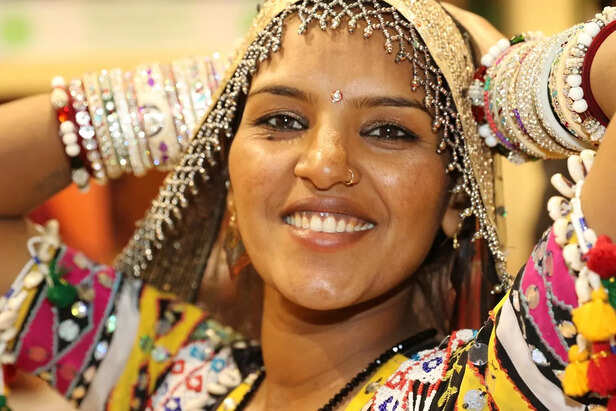
Despite India’s long history and rich cultural traditions, only a very small proportion of respondents mentioned these as sources of pride:
- Only about 8 % of Indians cited arts and culture as something that makes them proud.
- Only around 2 % mentioned history.
3. Other Pride Factors Are Also Low or Mixed
- Only single-digit shares mentioned the political system (approximately 8 %) or economic growth as sources of pride.
- Some respondents did mention “people” (about 10 %), but this was not strongly dominant.
4. What This Doesn’t Mean
What it doesn’t mean
- Indians are not patriotic.
- Indians hate their country.
What it does suggest
- Indians may express national identity differently from respondents in other countries.
- Pride may be implicit or tied to everyday life in ways harder to articulate in a short open-ended survey.
- Some Indians may be more critical when answering questions about the nation — wanting to see improvements before expressing pride.
5. How India Compares Globally
Currency in circulation hits record Rs 40 lakh crore even as UPI grows: Report
Image credit : IANS
In many other countries in the same survey:
- A single top pride category accounted for at least 20 % of responses.
- People commonly linked pride to history, culture, political system or lifestyle.
- Even in nations where politics or economy were weak, symbolic sources such as flag, national achievements or community were mentioned.
6. Interpreting the Numbers Thoughtfully
It could also reflect generational or regional differences in how Indians think about identity and national achievements. Survey results sometimes differ from other polls that measure pride through direct rating scales rather than open-ended questions.