
Forget Studying Abroad? Why Indian Students Are Rejecting Foreign Universities (31% Drop!)
Nidhi | Feb 12, 2026, 13:23 IST

Study Abroad
Image credit : Ai
Government data shows a 31% drop in Indian students studying abroad. Stricter visa policies, rising tuition and living costs, low acceptance rates at top foreign universities, and improved Indian higher education options are key reasons why many are choosing to stay home.
Recent government figures show a significant decline in the number of Indian students heading overseas for higher education. According to data shared by the Ministry of Education in Parliament, the number of Indians travelling abroad for studies fell from 9.08 lakh in 2023 to 6.26 lakh in 2025 - a 31% drop in just two years. This marks a notable shift from the strong upward trend seen over previous decades when studying abroad was almost considered a default choice for ambitious students.
The government’s Bureau of Immigration figures show a steady fall over three years:
![Over 13 lakh Indian students studied abroad in 2024: NITI Aayog]() One major driver of this downward shift is the tightening of visa policies in key destinations like Canada, the United States and the United Kingdom.
One major driver of this downward shift is the tightening of visa policies in key destinations like Canada, the United States and the United Kingdom.
Studies and surveys have shown that restrictive government policies have significantly reduced mobility for Indian students. In the so-called “Big Four” destinations, visa issues - delays, higher scrutiny, increased rejection rates have made families think twice before applying.
In Canada specifically, study permits issued to Indian students reportedly plummeted by around 31% in early 2025 compared to the previous year, limiting access to one of the most popular destinations.
In the US, student arrivals from India fell sharply, and logistical challenges such as long visa appointment wait times and administrative backlogs have discouraged some applicants.
These changes have made the process less predictable and more stressful, especially for families that prefer a smooth, timely transition for their children. Financial pressures are another key reason behind the decline.
Recent reports suggest Indian families are sending significantly less money abroad for education, with education remittances falling to their lowest levels in nearly a decade. This reflects both higher tuition/living costs overseas and broader economic caution among middle-class households.
Overseas education - often in the range of tens of thousands of dollars per year becomes far more expensive when combined with fluctuating exchange rates and the high cost of living in major cities. As a result, many parents and students are reevaluating whether the premium cost is worth the perceived benefit.![Countrywide Visas - Helping Indians Achieve Canada PR, Work Permits and Study Abroad Dreams for Nearly a Decade]() Rather than abandoning the idea of studying abroad completely, many students are choosing non-traditional destinations with easier entry requirements, lower costs, or better post-study opportunities.
Rather than abandoning the idea of studying abroad completely, many students are choosing non-traditional destinations with easier entry requirements, lower costs, or better post-study opportunities.
Surveys indicate that while interest in the traditional “big four” (US, UK, Canada, Australia) has declined, demand for countries like Germany, France, Ireland and some Asian destinations has increased.
This shift reflects both visa friendliness and value for money - European countries often have lower tuition and living costs compared with North America. Another reason many students are staying in India is the significant improvement in the quality of domestic higher education. Initiatives under the National Education Policy (NEP) 2020 are aimed at enhancing infrastructure, promoting research, and encouraging global collaborations, making Indian universities stronger contenders.
With more internationally recognised programs and partnerships between Indian and foreign institutions, students can access world-class education without overseas relocation. Many parents now see value in staying — both academically and financially.![Over 18 lakh Indians studying abroad, violations of visa norms among key reasons for deportations: Govt]() Today’s students and their families look beyond just the prestige of an overseas degree. They increasingly consider:
Today’s students and their families look beyond just the prestige of an overseas degree. They increasingly consider:
The 31% decline in Indian students going abroad is not necessarily a sign that the desire for global education has disappeared. Instead, it suggests a repositioning of priorities. Students are becoming more calculated about:
What the Numbers Reveal
- 2023: 9.08 lakh Indian students abroad
- 2024: 7.7 lakh
- 2025: 6.26 lakh
This 31% reduction highlights a deeper change in how students and families are weighing the costs and benefits of overseas education.
1. Stricter Visa Rules and Policy Shifts
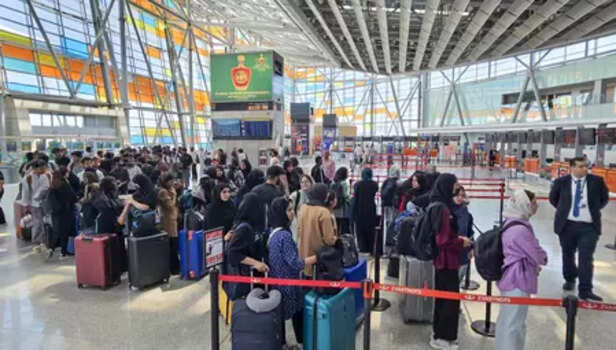
Over 13 lakh Indian students studied abroad in 2024: NITI Aayog
Image credit : IANS
Studies and surveys have shown that restrictive government policies have significantly reduced mobility for Indian students. In the so-called “Big Four” destinations, visa issues - delays, higher scrutiny, increased rejection rates have made families think twice before applying.
In Canada specifically, study permits issued to Indian students reportedly plummeted by around 31% in early 2025 compared to the previous year, limiting access to one of the most popular destinations.
In the US, student arrivals from India fell sharply, and logistical challenges such as long visa appointment wait times and administrative backlogs have discouraged some applicants.
These changes have made the process less predictable and more stressful, especially for families that prefer a smooth, timely transition for their children.
2. Rising Costs and Financial Considerations
Recent reports suggest Indian families are sending significantly less money abroad for education, with education remittances falling to their lowest levels in nearly a decade. This reflects both higher tuition/living costs overseas and broader economic caution among middle-class households.
Overseas education - often in the range of tens of thousands of dollars per year becomes far more expensive when combined with fluctuating exchange rates and the high cost of living in major cities. As a result, many parents and students are reevaluating whether the premium cost is worth the perceived benefit.
3. Preference for Alternative Destinations

Countrywide Visas - Helping Indians Achieve Canada PR, Work Permits and Study Abroad Dreams for Nearly a Decade
Image credit : ANI
Surveys indicate that while interest in the traditional “big four” (US, UK, Canada, Australia) has declined, demand for countries like Germany, France, Ireland and some Asian destinations has increased.
This shift reflects both visa friendliness and value for money - European countries often have lower tuition and living costs compared with North America.
4. Growth of Domestic Education and Improved Opportunities
With more internationally recognised programs and partnerships between Indian and foreign institutions, students can access world-class education without overseas relocation. Many parents now see value in staying — both academically and financially.
5. Evolving Priorities and Long-Term Goals

Over 18 lakh Indians studying abroad, violations of visa norms among key reasons for deportations: Govt
Image credit : IANS
- Post-study work options and immigration prospects
- Long-term career trajectories
- Cost-to-benefit ratio
- Better opportunities within India or closer regions
What This Means Going Forward
- Where they choose to study
- What outcomes they expect
- How much they are willing to invest