
Does Banana Ripeness Impact Health? Here’s the Truth
Trisha Chakraborty | Jan 27, 2026, 13:20 IST

Banana ripeness plays in digestion and energy release.
Image credit : Unsplash
As bananas ripen, their starch content converts into natural sugars, changing how the body digests and absorbs them. Green bananas are high in resistant starch, which supports gut health, promotes longer fullness, and helps maintain stable blood sugar levels, though they may be harder to digest for some. Yellow bananas offer a balanced mix of fiber and sugars, making them the most suitable option for everyday energy and digestive comfort. Overripe bananas, while higher in antioxidants and easy to digest, contain sugars that are absorbed quickly and may raise blood sugar levels if consumed in excess.
Banana is the very common and all season available fruit which is mostly consumed daily. Only a few people know the truth that ripeness of a banana can change how it affects the body.
From digestion and blood sugar levels to energy and gut health, each stage of banana ripeness offers different benefits. As bananas ripens, their nutritional amounts also change.
Green Bananas: Slow Energy and Gut Support
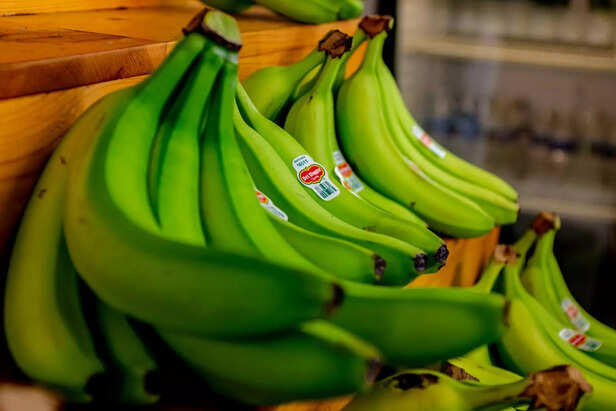
Green bananas are rich in resistant starch
Image credit : Unsplash
Green bananas are very firm and dark green to medium green colour. It helps to improve digestion. Due to rich resistance starch, a type of carbohydrate that does not break down in the small intestine, it travels where it feeds beneficial gut bacteria. This kind of slow digestion may reduce the sudden spike of blood sugar. They provide full energy throughout the day and help you feel longer.However, since resistant starch can be harder to break down, some individuals may experience bloating or mild discomfort, especially if their digestion is sensitive.
Yellow Bananas: Balanced Nutrition and Everyday Energy
Yellow bananas can be easily peel off. It helps to balance out between fibre and natural sugars. As now banana ripens the resistance starch gets softer and gets converted into glucose and fructose. It improves digestion and still provides nutritional benefits. These bananas help to deliver quick energy without affecting the digestive system.
Yellow bananas are also rich in potassium, vitamin B6, and vitamin C, nutrients that support muscle function, nerve health, immunity, and overall metabolism. For most people, this stage of ripeness is the easiest to tolerate and the most versatile in daily diets.
Overripe Bananas: Gentle Digestion and Antioxidant Support

Overripe bananas are antioxidant-rich
Image credit : Unsplash
Bananas at this stage look brown or black and are soft, even mushy. At this stage most of the starch has converted into simple sugars, it allows the body to absorb this easily. Contain higher levels of antioxidants, which help reduce oxidative stress and support immune health. It has natural sweetness, and can replace fats in baking.
Because of their softness and digestibility, overripe bananas are often suitable for people recovering from illness, digestive discomfort, or fatigue.
What are the disadvantages of ripe bananas?
Explore the latest trends and tips in Health & Fitness, Spiritual, Travel, Life Hacks, Trending, Fashion & Beauty, andRelationships at Times Life!
FAQs (Frequently Asked Questions) :
- How ripeness of a banana could affect your health
Affecting blood sugar, gut health, and digestion - Why do they say not to eat bananas for breakfast?
it might mess with your blood sugar levels.