
Your Heart Could Be Warning You… At Night
Divya Pachar | Jan 21, 2026, 18:30 IST

Heart
Image credit : Freepik
This article explains why heart symptoms often appear at night. Changes in blood flow, hormone levels, sleep patterns, and body position can make the heart work harder after dark. When the body is still and the mind is quiet, hidden heart stress becomes more noticeable. Knowing what to watch for helps you act early instead of ignoring it.
Many people experience heart symptoms only after dark, when the world is quiet. During the day, distractions and activity hide mild signals. But at night, the body becomes still and the mind becomes alert, making hidden heart stress more noticeable. Understanding this pattern can help you catch warning signs early.
![Night Stillness]()
When the body rests, small symptoms become clearer. During the day, movement and tasks distract you from mild discomfort. At night, your mind is free from distractions, so you notice sensations more intensely. This quiet stillness makes the heart’s signals easier to feel, and mild stress can suddenly seem stronger than it did earlier.
![Circulation at Rest]()
When you lie flat, blood moves differently through the body, increasing pressure on the heart and lungs. If the heart is already under strain, this shift can trigger breathlessness or chest discomfort. These symptoms are often hidden during the day but become noticeable while resting or lying down. That’s why many people first feel them at night.
![Night Hormone Change]()
Nighttime alters hormone levels that control blood pressure and heart rhythm. Stress hormones drop, while other hormones fluctuate, which can affect the heart’s workload. In some people, this change causes palpitations, pressure, or discomfort. Because these hormone shifts happen mainly at night, the heart may show symptoms after dark that were hidden during the day.
![Silent Night Awareness]()
At night, there are no distractions from work, social media, or daily tasks. This quietness increases body awareness, making you more sensitive to sensations that were ignored during the day. As the mind finally slows down, the heart’s signals become more noticeable. Mild discomfort or irregular beats may feel stronger simply because you are paying attention.
![Waking at Night]()
Waking up suddenly can amplify physical sensations because the body shifts into alert mode. When you wake from sleep, the heart rate rises and breathing becomes shallow, which can make heart stress feel more intense. This sudden change can trigger discomfort, palpitations, or pressure. That’s why many people notice symptoms after waking in the middle of the night.
Heart symptoms at night are not always “just anxiety.” They can be early signals of hidden stress that appears when the body is quiet and the mind is more aware. If you notice recurring nighttime discomfort like breathlessness, palpitations, or pressure, don’t ignore it. Early attention and a doctor’s checkup can protect your heart and prevent serious problems later.
Explore the latest trends and tips in Health & Fitness, Spiritual, Travel, Life Hacks, Trending, Fashion & Beauty, and Relationships at Times Life!
Your body becomes still

Night Stillness
Image credit : Pexels
When the body rests, small symptoms become clearer. During the day, movement and tasks distract you from mild discomfort. At night, your mind is free from distractions, so you notice sensations more intensely. This quiet stillness makes the heart’s signals easier to feel, and mild stress can suddenly seem stronger than it did earlier.
Lying down changes blood flow

Circulation at Rest
Image credit : Pexels
When you lie flat, blood moves differently through the body, increasing pressure on the heart and lungs. If the heart is already under strain, this shift can trigger breathlessness or chest discomfort. These symptoms are often hidden during the day but become noticeable while resting or lying down. That’s why many people first feel them at night.
Hormones shift after dark
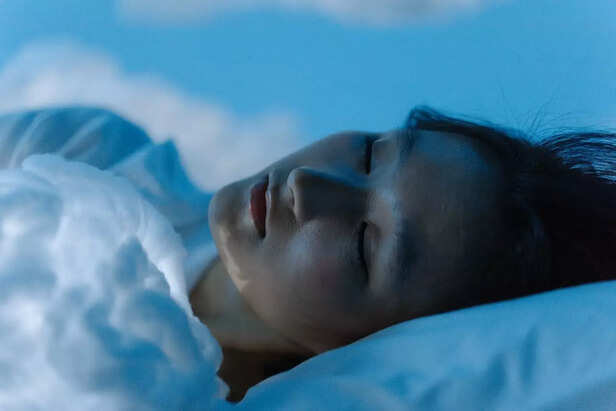
Night Hormone Change
Image credit : Pexels
Nighttime alters hormone levels that control blood pressure and heart rhythm. Stress hormones drop, while other hormones fluctuate, which can affect the heart’s workload. In some people, this change causes palpitations, pressure, or discomfort. Because these hormone shifts happen mainly at night, the heart may show symptoms after dark that were hidden during the day.
Your mind becomes quiet

Silent Night Awareness
Image credit : Pexels
At night, there are no distractions from work, social media, or daily tasks. This quietness increases body awareness, making you more sensitive to sensations that were ignored during the day. As the mind finally slows down, the heart’s signals become more noticeable. Mild discomfort or irregular beats may feel stronger simply because you are paying attention.
Sleep interruptions reveal hidden stress

Waking at Night
Image credit : Pexels
Waking up suddenly can amplify physical sensations because the body shifts into alert mode. When you wake from sleep, the heart rate rises and breathing becomes shallow, which can make heart stress feel more intense. This sudden change can trigger discomfort, palpitations, or pressure. That’s why many people notice symptoms after waking in the middle of the night.
Important note
Explore the latest trends and tips in Health & Fitness, Spiritual, Travel, Life Hacks, Trending, Fashion & Beauty, and Relationships at Times Life!