
5 Places Where People Actually Live After Office Hours (Not India)
Kazi Nasir | 29ec 29, 2025, 19:23 IST

Places With Best Work Life Balance
Image credit : AI - ChatGPT
While Indian professionals are admired for their dedication, long work hours often leave little room for life outside the office. In contrast, several countries around the world prioritise balance, ensuring that evenings are reserved for family, hobbies, and personal well-being. This article explores five places Denmark, the Netherlands, Sweden, Australia and New Zealand where people routinely log off on time and embrace life after work.
In many parts of the world, work isn’t everything. Indian professionals are well known around the world for their incredible work and performence but the other side of the coin is of blurred boundaries, long hours of work and little time left for life outside the office. But in several countries around the world people have mastered the art of living after work prioritising family, hobbies, nature and community as much as their careers. This article brings five places where evening life truly begins after office hours means where people clock off and actually live.
![Denmark Flag]()
Denmark has been at the top of international rankings concerning happiness and work-life balance. The average workweek is 37 hours, and the company culture of Danish employers encourages work flexibility. Enjoying the evening with family and friends or even taking a home ride with a bike through sunset are not only possible; they are part of Danish culture. In cities like Copenhagen, even busy professionals make time for hygge a Danish way of enjoying cozy, quality moments.
In the Netherlands here, part-time work is common and cultural norms strongly support leaving work on time. People tend to finish by late afternoon and head straight into real life: dinners with friends, bike rides or simply enjoying a canal-side walk. The Dutch believe in work efficiency over long hours and results matter more than presence. This commitment to life beyond work shows up in healthy family relationships, lower stress levels and a thriving after-five culture.
![Sweden Flag]()
This country is known for its 6 hour workday experiments and their strong employee rights. Even without official shorter hours across all jobs, Swedes tend to prioritise leaving work on time so they can embrace evenings with family, nature or social activities. Which is why, its public spaces are filled with people cycling, walking dogs or gathering at cafes.
Australians know how to make the most of sunshine and social connections once work ends. With a strong culture of outdoor activities, many Aussies head straight to the beach, park or BBQ with friends after office hours. Employers in Australia are increasingly pushing work-life balance policies and many offices offer flexible hours or remote days. Work does not disappear but life after work certainly makes itself felt.
![New Zealand]()
People of New Zealand generally finish their work earlier than many other countries. No matter what whether it's hiking, fishing or time for the beach or simply sharing a meal with family, people their prioritise their life as much as their livelihood. Known for their kiwi culture which is embedded with rich values where personal time and downtime of employers are quite respected. It's normal in the evening to be out for a meaningful experience rather than toddling with emails.
Explore the latest trends and tips in Health & Fitness, Spiritual, Travel, Life Hacks, Trending, Fashion & Beauty, and Relationships at Times Life!
Q1. Why is WFH ending in India?
Ans: Because of productivity
Q2. Is permanent WFH possible?
Ans: There are more than 20 countries that offer WFH
Q3. Will WFH continue in 2025?
Ans: Almost 60-90 million Indians expected to work remotely by 2025
1. Denmark
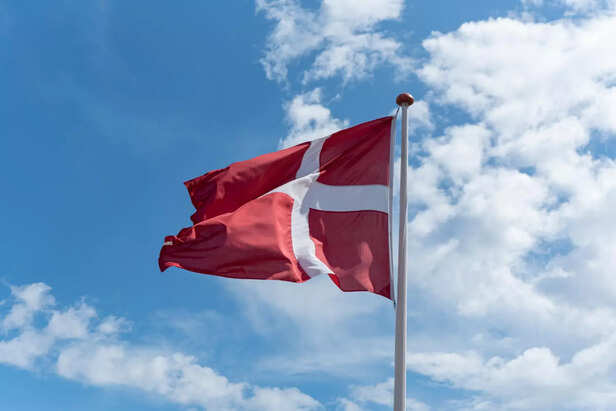
Denmark Flag
Image credit : Freepik
Denmark has been at the top of international rankings concerning happiness and work-life balance. The average workweek is 37 hours, and the company culture of Danish employers encourages work flexibility. Enjoying the evening with family and friends or even taking a home ride with a bike through sunset are not only possible; they are part of Danish culture. In cities like Copenhagen, even busy professionals make time for hygge a Danish way of enjoying cozy, quality moments.
2. Netherlands
3. Sweden

Sweden Flag
Image credit : Freepik
This country is known for its 6 hour workday experiments and their strong employee rights. Even without official shorter hours across all jobs, Swedes tend to prioritise leaving work on time so they can embrace evenings with family, nature or social activities. Which is why, its public spaces are filled with people cycling, walking dogs or gathering at cafes.
4. Australia
5. New Zealand

New Zealand
Image credit : Freepik
People of New Zealand generally finish their work earlier than many other countries. No matter what whether it's hiking, fishing or time for the beach or simply sharing a meal with family, people their prioritise their life as much as their livelihood. Known for their kiwi culture which is embedded with rich values where personal time and downtime of employers are quite respected. It's normal in the evening to be out for a meaningful experience rather than toddling with emails.
Explore the latest trends and tips in Health & Fitness, Spiritual, Travel, Life Hacks, Trending, Fashion & Beauty, and Relationships at Times Life!
FAQs
Ans: Because of productivity
Q2. Is permanent WFH possible?
Ans: There are more than 20 countries that offer WFH
Q3. Will WFH continue in 2025?
Ans: Almost 60-90 million Indians expected to work remotely by 2025