
Why Yoga is Losing Its Essence and Becoming Mere Acrobatics—Common Mistakes Done By Many
Ankit Gupta | Apr 11, 2025, 09:43 IST

Yoga
How modern Yoga has strayed from its original path by focusing solely on physical postures, neglecting the essential foundations of Yama and Niyama. It emphasizes that true Yoga is a disciplined spiritual journey, not just a fitness routine.
The Sambar Analogy – A Forgotten Foundation

Sambar
Imagine you’re preparing Sambar. You have the finest spices, top-quality tamarind, and a recipe passed down for generations. But you forget to boil the toor dal and skip chopping the vegetables. Can that preparation still be called Sambar? Of course not. No matter how expensive your ingredients are, skipping the foundation ruins the dish. This is exactly what is happening to Yoga today. People have access to world-class yoga studios, high-end mats, fitness instructors, and global certifications. But they’ve forgotten the base—the essence. Just like skipping dal in Sambar, today’s practitioners are skipping the first and most essential steps of Yoga, reducing a spiritual journey to a mere exercise routine.
Yoga Is a Path, Not a Posture

Selfless Path
Yoga is not a set of physical postures. It is a deeply rooted spiritual philosophy—one of the six darshanas of Bharatiya (Indian) tradition. The word ‘Yoga’ means union—the union of the self with the Supreme, the merging of individual consciousness into universal consciousness. Whether you follow Raja Yoga or Hatha Yoga, the foundation remains the same. And that foundation begins with the first two limbs of the Ashtanga Yoga path: Yama and Niyama. These are not optional. They are not add-ons. They are the very entry gate. Skipping them is like trying to build the third floor of a house without laying the first two.
Understanding Ashtanga Yoga – The Eight Limbs
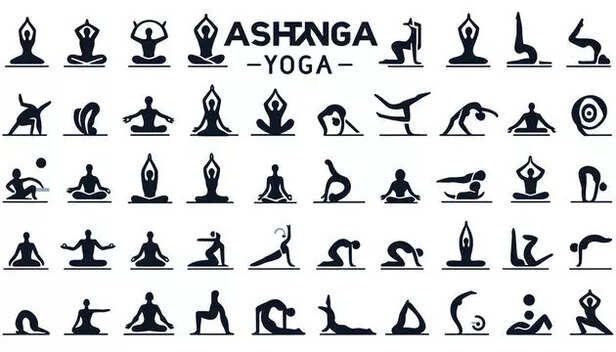
Ashtanga Yoga Postures
The Yoga Sutras of Patanjali outline Yoga as an eightfold path, famously known as Ashtanga Yoga. The eight limbs are sequential: Yama (moral restraints), Niyama (personal observances), Asana (postures), Pranayama (breath control), Pratyahara (withdrawal of senses), Dharana (concentration), Dhyana (meditation), and Samadhi (absorption into the Self). Each limb builds upon the previous. But what do most modern practitioners do? They jump straight to Asana, the third step, and sometimes Pranayama, the fourth. They bypass the groundwork. The result? Instead of Yoga, what remains is circus acrobatics—impressive to watch, but devoid of inner depth.
Why Yama and Niyama Are the Real Game Changers
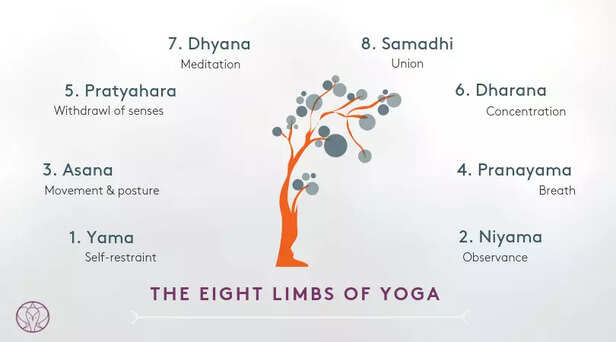
Foundations of Yoga
The reason many Yoga practices don’t yield deeper peace or transformation is because Yama and Niyama have not been integrated. These two steps are the pillars of character and consciousness. They work as purifiers. Yama governs your interaction with society. Niyama governs your relationship with yourself. When these are firmly established, Asanas become effortless, the breath naturally becomes deep and rhythmic, and the mind slowly becomes ready for meditation. Without them, even the most advanced postures are hollow and the mind remains restless.
The Five Yamas – Restraints for Social Harmony
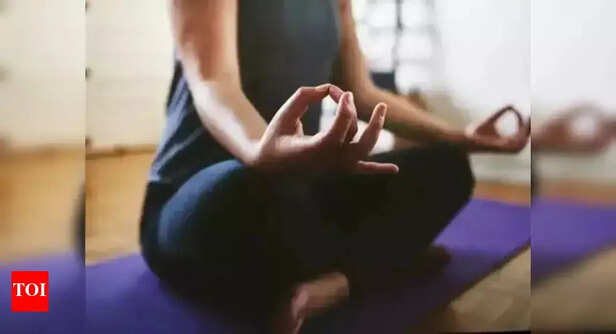
Vipassana
The first limb, Yama, is about self-restraint and ethical living in the social sphere. The five Yamas are: Ahimsa (non-violence), Satya (truthfulness), Asteya (non-stealing), Brahmacharya (moderation or celibacy), and Aparigraha (non-possessiveness). These are not commandments. They are psychological disciplines that help you live in harmony with the world. Practising Ahimsa leads to gentleness in thought, word, and action. Satya brings you closer to reality. Asteya and Aparigraha reduce greed and restlessness. Brahmacharya channels your energies inward. Together, they make the outer world less noisy, allowing the inner world to blossom.
The Five Niyamas – Self-Mastery Through Discipline
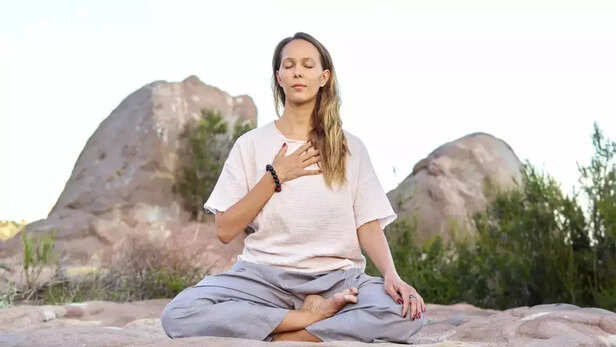
Santosh - Contentment
The second limb, Niyama, is about internal disciplines—how you treat your own body, mind, and soul. The five Niyamas are: Shaucha (cleanliness), Santosha (contentment), Tapas (austerity), Svadhyaya (self-study), and Īśvarapranidhāna (surrender to God or a higher force). These practices make your mind firm, focused, and devotional. Shaucha clears the clutter. Santosha ends the endless chase for more. Tapas builds inner fire and commitment. Svadhyaya leads to self-awareness. And Īśvarapranidhāna, the crown jewel, cultivates humility and surrender. Without these, the further limbs of Yoga cannot be sustained.
The Misplaced Obsession With Asanas
What the Real Masters Teach
Simple Way to Begin – One Step at a Time
Not Just for Yoga – But All Spiritual Sadhanas
Return to the Source

Surya Namaskar or Sun Salutation
Yoga is not in the limbs—it is in your life. You do not master Yoga by mastering Asanas. You master Yoga when you become truthful, content, non-violent, and surrendered. That’s when your breath deepens naturally. That’s when meditation begins to happen, not by effort but by grace. The ancient sages—Patanjali, Svātmārāma, Babaji—all emphasized this inner foundation. They never defined Yoga by the flexibility of the body, but by the stability of the self.
So remember: Yoga without Yama and Niyama is like Sambar without dal and vegetables—a hollow, tasteless imitation. Return to the roots. Honour the sequence. Begin where it matters. And let your Yoga be a journey of the soul, not a performance of the body.