
5 Animals That Live and Survive Below the Freezing Point
Kazi Nasir | Jan 02, 2026, 17:21 IST

Arctic Fox - Animals Adapted to Cold Climates
Image credit : Freepik
Life below freezing temperatures seems impossible, yet nature has found extraordinary ways to endure it. From the Arctic fox surviving at −51°C to frogs and salamanders that can partially freeze and revive, this article explores five animals that survive extreme cold using insulation, cooperation and unique biological antifreeze mechanisms.
The existence of life seems impossible when the temperature drops below zero. Heat released from the body becomes faster, blood circulation slows down and ice crystals can rupture cells from the inside. While most animals migrate from the unlivable conditions, there remain animals that don't escape, instead face the cold head-on. Here are five animals that have the potential to survive unbearable temperatures below the freezing point.
![Arctic Fox Cold Adaptation]()
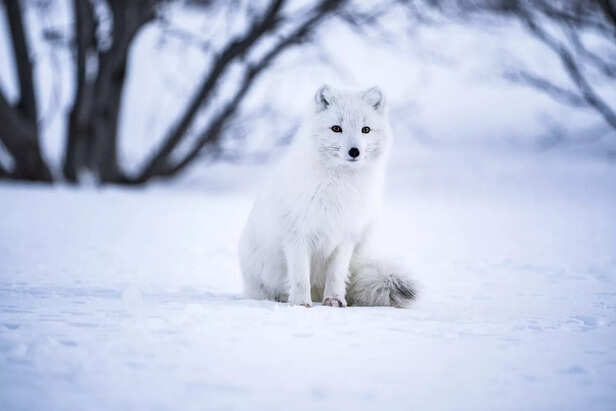
This mammal is engineered for extreme cold. It can survive at tempareture around −51°C (−60°F). Created with exceptionally dense fur, it can be said to have the warmest fur of any other mammal, which covers even its paws and muzzle. It has short ears and limbs that reduce surface area, minimising heat loss.
They remain active during the freezing cold, huting its preys and travelling long during the polar night.
![Penguins Surviving Antarctic Winter]()
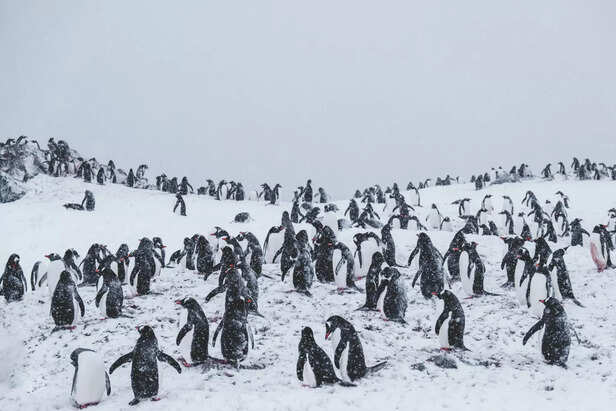
Even when the external temperature drops below −40° and amidts of extreme chill winds, this animal can survive through a bond of warmth and cooperation. Thousands of birds pack tightly together to protect themselves from the cold, they rotate positions to share warmth equally.
Cooperation through their huddling begavior they can generate a temperature inside around 35–37°C which is close to body temperature.
Their body is designed with dense feathers that work as insulation to trap air, combined with a thick subcutaneous fat layer.
This animal, found in Siberia, has the capacity to endure temperatures commonly −35°C to −40°C and recorded survival reports down to −45°C.
They havea high glycerol concentration inside their body that helps as a natural antifreeze in tissues. They have an extreme capacity to tolerate dehydration, as water provides the chance to form ice.
This animal does not conquer cold through insulation or strength but through short-term physiological changes. They can survive at −15°C. They have protective sugars in their bodies; compounds like trehalose stabilise cell membranes. They live in soil or moss which is a microhabitat buffering where temperatures fluctuate less than in open air.
![Wood Frog Freeze Survival]()
They can survive temperatures down to −6°C. What makes their body water freeze up to 60–70% is that they push the limit of vertebrate biology with their level of endurance. They also store large amounts of glucose in their bloodstream that helps to reduce cellular damage. They even go to a temporary shutdown where their heartbeat, breating and brain activity all stop during freezing.
Explore the latest trends and tips in Health & Fitness, Spiritual, Travel, Life Hacks, Trending, Fashion & Beauty, and Relationships at Times Life!
1. Arctic fox
Arctic Fox Cold Adaptation
Image credit : Freepik
This mammal is engineered for extreme cold. It can survive at tempareture around −51°C (−60°F). Created with exceptionally dense fur, it can be said to have the warmest fur of any other mammal, which covers even its paws and muzzle. It has short ears and limbs that reduce surface area, minimising heat loss.
They remain active during the freezing cold, huting its preys and travelling long during the polar night.
2. Penguin
Penguins Surviving Antarctic Winter
Image credit : Freepik
Even when the external temperature drops below −40° and amidts of extreme chill winds, this animal can survive through a bond of warmth and cooperation. Thousands of birds pack tightly together to protect themselves from the cold, they rotate positions to share warmth equally.
Cooperation through their huddling begavior they can generate a temperature inside around 35–37°C which is close to body temperature.
Their body is designed with dense feathers that work as insulation to trap air, combined with a thick subcutaneous fat layer.
3. Siberian Salamander
This animal, found in Siberia, has the capacity to endure temperatures commonly −35°C to −40°C and recorded survival reports down to −45°C.
They havea high glycerol concentration inside their body that helps as a natural antifreeze in tissues. They have an extreme capacity to tolerate dehydration, as water provides the chance to form ice.
4. Antarctic midge
This animal does not conquer cold through insulation or strength but through short-term physiological changes. They can survive at −15°C. They have protective sugars in their bodies; compounds like trehalose stabilise cell membranes. They live in soil or moss which is a microhabitat buffering where temperatures fluctuate less than in open air.
5. Wood Frog
Wood Frog Freeze Survival
Image credit : Freepik
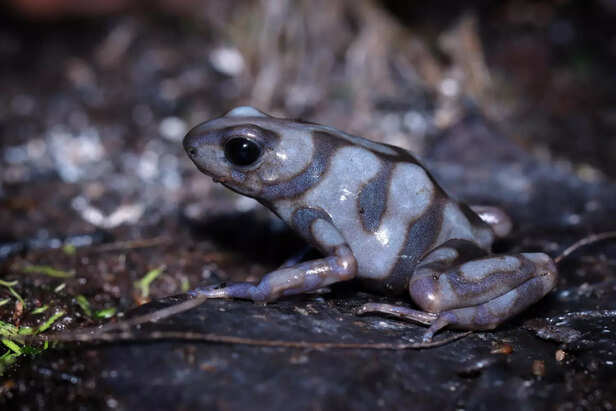
They can survive temperatures down to −6°C. What makes their body water freeze up to 60–70% is that they push the limit of vertebrate biology with their level of endurance. They also store large amounts of glucose in their bloodstream that helps to reduce cellular damage. They even go to a temporary shutdown where their heartbeat, breating and brain activity all stop during freezing.
Explore the latest trends and tips in Health & Fitness, Spiritual, Travel, Life Hacks, Trending, Fashion & Beauty, and Relationships at Times Life!