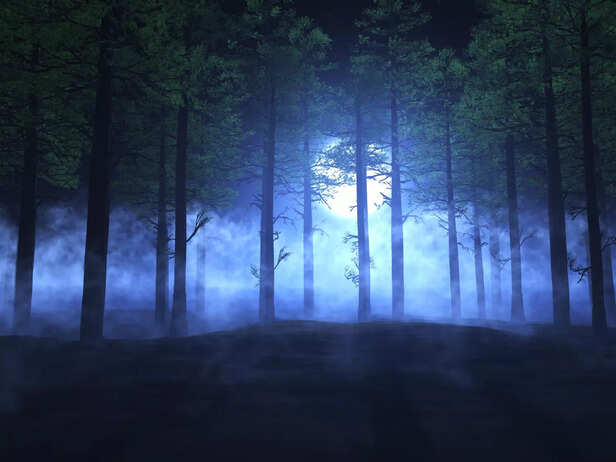
The dusk brings with it changes in the forest atmosphere, sounds replace sights and shadows silently turn alive. 90% of wildlife activities are hidden from human eyes becasue many species are nocturnal, become active during night and sleep during day while some are crepuscular. So what exactly happens in the dark when the human world is in the comfort of deep slumber?
Why the Wild Comes Alive at Night
![Forest During Night]()
Forest During Night
Image credit : Freepik
The lower temperature of the forest helps animals to conserve energy. For many herbivores, dark lower risk from predators and competition are less from the daytime species.Many animals have night vision or tapetum lacidum eyes like big cats or owls, which the also known for their silent flight because of their special feather.
Wolves at night howl to gather their pack and deer become hyper alert by using their gifted smell over sight.
Secret Lives in the Dark
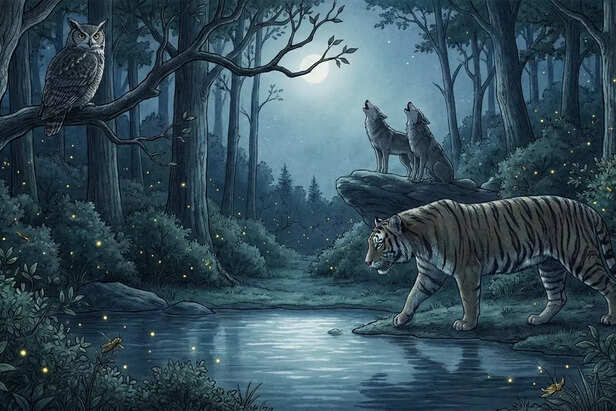
![Night Hours at Forest]()
Night Hours at Forest
Image credit : Freepik
- Leopards: They like to hunt their pray at night for a stealth advantage and drag their prey up at trees to avoid hyenas. They even roam for 20-30 km in a single night.
- Tigher: They patrol at their territory and visit water bodies. They keep growling to mark their presence.
- Owls: Their gifted triangular face like disc acts like a sound radar and they hunt their prey, rodents, through sound alone. Due to their silent wings, they are the perfect birds with a unique ambush skill.
- Snakes: They are supernatural animal with supernatural powers. They can sense heat without even vision. So snakes like vipers and pythons hunt warm-blooded prey just using heat sensors.
As the night passes, the environment becomes acoustic with wolves' howl, chanting of crickets and cicadas creating rhythm and frogs croaks to attract a mate.
While humans rest, the forest is at its busiest. Every rustle, call, leap and shadow tells a story of survival. Understanding the hidden nightlife of wild animals not only expands our knowledge it also strengthens the urgency to protect these ecosystems.
Explore the latest trends and tips in
Health & Fitness,
Spiritual,
Travel,
Life Hacks,
Trending,
Fashion & Beauty, and
Relationships at
Times Life!FAQs
Q1. What happens to animals at night?Ans: coming out at night to forage for food and to find a mate.
Q2. What animal sleeps 90% of its life?Ans: Koalas
Q3. Whose animal never sleeps?Ans: Bullfrogs