
Before IVF, There Was Niyog: The Ancient Practice Behind the Birth of the Pandavas
Annanya Gupta | Oct 30, 2025, 06:16 IST

Niyog: Ancient Vedic Surrogacy Explained
Image credit : Times Life Bureau
The Niyog in Mahabharata reveals how ancient Hindu society upheld dharma through structured Vedic surrogacy practices. This sacred ritual ensured royal lineage continuity, ethical duty, and social stability. Sage Vyasa’s Niyog duty symbolizes the perfect balance of spiritual responsibility and worldly necessity. Understanding Niyog Vidhi today offers deep insight into the ethical foundations of Hindu dharma and its timeless relevance in addressing modern fertility challenges.
Niyog served as an ancient Hindu custom for royal lineage preservation. This Vedic surrogacy practice enabled childless kings to continue their dynasty. The Niyog ritual followed strict dharma principles from scriptures. Brahmin priests supervised the entire process carefully. Childless women underwent this Vedic fertility tradition with purity. The practice maintained Kshatriya bloodlines across generations. This Hindu dharma practice ensured proper succession lines. The Niyog ritual meaning emphasized spiritual duty over physical desire. Ancient texts document this Vedic surrogacy practice clearly. Royal families used Niyog for throne continuity. The custom followed specific Vedic era protocols. Society accepted this ancient Hindu custom fully.
Learn more about the ancient Hindu fertility practice.
![Vedic surrogacy]()
The Mahabharata lineage depended completely on Niyog. Queen Satyavati summoned her son Sage Vyasa for this purpose. Sage Vyasa role was crucial in continuing the Kuru line. The Dhritarashtra birth story began with Ambika's Niyog. Pandu's conception followed through similar Vedic surrogacy practice. Even Vidura's birth resulted from this ancient Hindu custom. The entire Mahabharata lineage stems from these Niyog procedures.
The Niyog ritual followed strict Vedic rules precisely. Kings requested this Vedic surrogacy practice for royal heirs. The husband granted formal written permission first. The queen observed strict purity rituals for forty days. Learned Brahmin priests conducted the ceremony properly. The Niyog Vidhi included specific mantras and offerings. The ritual focused only on conception for lineage. This Vedic fertility tradition maintained complete spiritual sanctity. Both participants practiced celibacy before the ritual. They followed separate living arrangements after conception. The Niyog ritual required three witness Brahmins minimum. The practice followed ancient Hindu customs exactly. This Hindu dharma practice ensured royal bloodline continuity. Society respected this Vedic surrogacy practice fully.
Niyog in Mahabharata raised ethical questions. The practice balanced individual desires with social needs. It prioritized dynasty preservation over personal preferences. These Hindu dharma practices followed cosmic laws. The Vidura Pandavas lineage shows complex family structures. Ancient Hindu customs valued continuity above all.
Today's surrogacy echoes ancient Niyog concepts. Both address fertility challenges respectfully. The Dhritarashtra birth story mirrors modern reproductive solutions. Vedic surrogacy practice emphasized consent and rules. Current laws reflect similar concerns about ethics and rights.
Explore the latest trends and tips in Health & Fitness, Spiritual, Travel, Life Hacks, Trending, Fashion & Beauty, and Relationships at Times Life!
Learn more about the ancient Hindu fertility practice.
Niyog in Mahabharata
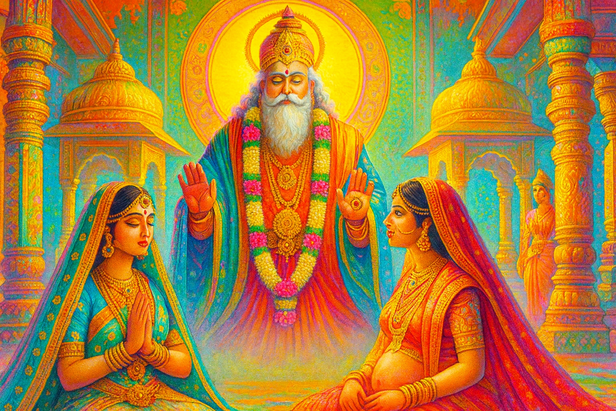
Vedic surrogacy
Image credit : Times Life Bureau
The Mahabharata lineage depended completely on Niyog. Queen Satyavati summoned her son Sage Vyasa for this purpose. Sage Vyasa role was crucial in continuing the Kuru line. The Dhritarashtra birth story began with Ambika's Niyog. Pandu's conception followed through similar Vedic surrogacy practice. Even Vidura's birth resulted from this ancient Hindu custom. The entire Mahabharata lineage stems from these Niyog procedures.
Niyog Vidhi
Dimensions of Ancient Surrogacy
Today's surrogacy echoes ancient Niyog concepts. Both address fertility challenges respectfully. The Dhritarashtra birth story mirrors modern reproductive solutions. Vedic surrogacy practice emphasized consent and rules. Current laws reflect similar concerns about ethics and rights.
Explore the latest trends and tips in Health & Fitness, Spiritual, Travel, Life Hacks, Trending, Fashion & Beauty, and Relationships at Times Life!
Answering your Thoughts,
- Was Niyog accepted in ancient society?
Yes Niyog was a recognized Vedic surrogacy practice. It followed specific religious guidelines. Society accepted it for lineage preservation. - How many births resulted from Niyog in Mahabharata?
Three births shaped the Mahabharata lineage - Dhritarashtra Pandu and Vidura. The entire epic revolves around these Niyog-born characters. - Why did Ved Vyasa perform Niyog?
Ved Vyasa role was to continue the Kuru dynasty. His mother Satyavati requested his help. He followed dharma through this duty.