Navratri is not only a celebration of Goddess Durga's power, but also a time of personal transformation. Beyond rituals, it provides practical techniques for dealing with modern-day stress. Devotion, meditation, and fasting promote a balance between body and mind, restoring tranquility in an otherwise chaotic life. Devotion provides emotional security, meditation rewires the brain for peace, and fasting restores mental clarity and vitality. Together, they serve as natural remedies that cure and uplift, demonstrating how ancient traditions are still relevant in today's world.
1. The Soothing Power of Devotion
![Navratri Devotion Stress Relief]()
Navratri Devotion Stress Relief
Image credit : Freepik
Faith and rituals bring calm and reduce stress naturally.
In today's fast-paced environment, when uncertainty and pressure can cause stress, commitment serves as a natural form of mental therapy. Prayer and rituals, when practiced on a regular basis, provide structure and rhythm to one's life. This structure serves as an anchor during times of turbulence, providing stability and emotional assurance. Even something as basic as lighting a diya at the same time every evening sends a signal to the mind that order exists in the midst of disarray. One of the most potent characteristics of devotion is the act of surrender.
When people lay their troubles at the feet of a higher power, it relieves the load of constant overthinking. Instead of feeling totally accountable for every event, faith teaches acceptance—allowing the mind to breathe, let go, and relax. This shift in perspective dramatically reduces anxiety. Devotion is both personal and collective. Singing bhajans in groups or attending satsangs promotes a sense of belonging. The shared energy of voices singing together has a therapeutic impact, bringing joy and dispelling feelings of loneliness. Faith promotes both inner peace and social connection, acting as a potent stress reliever.
2. Meditation as a Stress-Reset Tool
![Meditation Stress Relief Benefits]()
Meditation Stress Relief Benefits
Image credit : Freepik
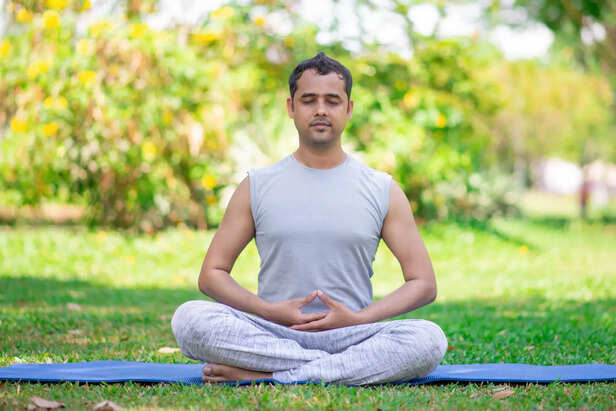
Daily meditation lowers stress and strengthens mental resilience naturally.
Modern science verifies traditional wisdom: meditation is one of the most effective stress-reduction techniques. Studies demonstrate that even a few minutes of daily practice can reduce cortisol, the key stress hormone, resulting in lower blood pressure, a more stable heart rate, and better sleep. Meditation functions as a nervous system reset button, lowering the body's stress response. Different strategies provide unique paths to inner quiet. Chanting mantras, for example, uses sound vibrations to reduce wandering thoughts and increase concentration. Breath awareness acts as a natural regulator—slowing inhalation and exhalation transmits messages of safety to the brain, quickly reducing anxiety.
In contrast, visualization uses the imagination to replace unpleasant imagery with calm mental landscapes, helping the mind to relax. Meditation, on a deeper level, helps to rewire the brain. Regular practice improves concentration and emotional stability while decreasing overactivity in regions associated with fear and overthinking. Over time, this neural alteration strengthens the mind's resilience to daily stresses. In essence, meditation is a long-term approach for developing inner peace and mental strength.
3. Fasting and the Body-Mind Connection
![Navratri Fasting Health Benefits]()
Navratri Fasting Health Benefits
Image credit : Freepik
Fasting during Navratri improves mental clarity and reduces stress.
Fasting has long been seen as more than a physical discipline; it is a practice that balances the body and mind. According to a recent study, intermittent fasting helps manage hormones like insulin and adrenaline while also increasing the production of brain-derived neurotrophic factor (BDNF), a protein related to improved memory and mental clarity. Fasting promotes a state of natural alertness and serenity by balancing these biological processes. One of the primary advantages is the reduction in digestive burden. When the body is not constantly breaking down large meals, it may devote more energy to cellular repair, detoxification, and cognitive function.
This decreased internal effort supports emotional stability by minimizing irritation and mental exhaustion, which are frequently associated with stress. During Navratri, traditional fasting meals play an important part in maintaining this equilibrium. Ingredients such as kuttu (buckwheat) and singhada (water chestnut) flour provide consistent energy without raising blood sugar levels, and fruits and nuts provide necessary vitamins and minerals that nourish both the body and mind. Even simple rituals, such as drinking lemon water or eating sattvic foods, are thought to cleanse the body and promote inner calm. Fasting becomes a holistic practice that heals the body and calms the mind.
4. Meditation in Daily Life
![Daily Meditation Stress Relief]()
Daily Meditation Stress Relief
Image credit : Freepik
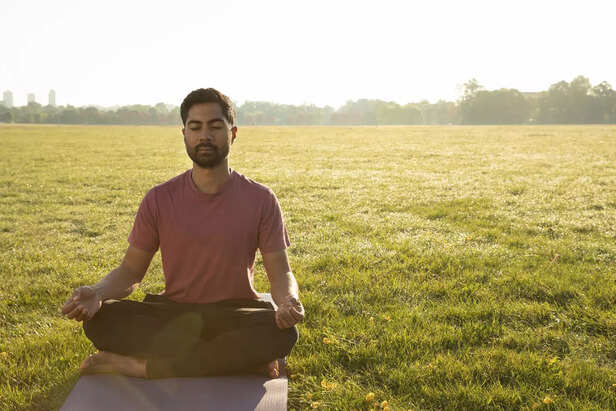
Short daily meditation resets the mind and reduces stress naturally.
Meditation does not have to be confined to extended retreats or secluded areas; it may easily become a part of everyday life. Short guided sessions, as little as five minutes, can be used at work or at home to halt, breathe, and refresh. These micro-meditations serve to break the cycle of chronic stress, allowing for clarity and serenity in the midst of hectic schedules. Meditation before bedtime is another great technique to regain balance. Slow breathing, body scanning, and repeating a soothing mantra are all gentle strategies for quieting the mind during the day. This not only increases sleep quality, but also ensures that the mind wakes up refreshed and ready to face stress.
Combining tradition and new tools makes meditation more accessible. Classical practices such as dhyan (concentration) and jap (mantra repetition) can be paired with guided sessions available through mindfulness applications. When used carefully, technology can serve as a bridge between old customs and modern lifestyles. Stress is reduced to manageable levels by including brief periods of meditation into regular activities. Instead, the mind learns to reset itself regularly, increasing resilience and establishing an inner serenity rhythm that pervades all parts of life.
In the end
Navratri is more than just a celebration; it is a journey toward inner harmony. Faith helps to alleviate worry, meditation silences mental disturbance, and fasting replenishes both body and mind. These age-old rituals are great stress relievers, providing stability and strength during uncertain times. By adopting them, we not only honor tradition but also foster resilience, tranquility, and clarity—values that are critical for success in today's fast-paced world.
Explore the latest trends and tips in
Health & Fitness,
Spiritual,
Travel,
Life Hacks,
Trending,
Fashion & Beauty, and
Relationships at
Times Life!