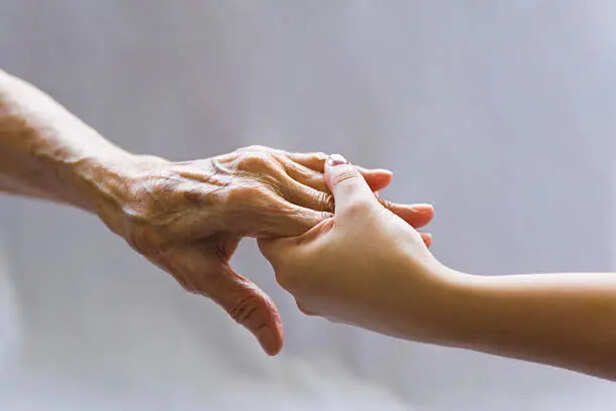
The act begins with a simple movement. You bend down, your hands reach toward someone who has lived longer than you, and for a second, the world slows. It may happen during Diwali mornings, before leaving for college, or at a family wedding filled with noise and laughter. But in that brief second, everything becomes quiet and personal. You are not thinking about tradition or rules. You are simply present. That pause itself is powerful. It creates a space where respect is not spoken loudly but expressed gently through action.
A Physical Expression of Respect
![Generations connected through respect and tradition.]()
Generations connected through respect and tradition.
Image credit : Unsplash
Respect is often talked about, but rarely shown in such a visible way. When you touch an elder’s feet, you physically lower yourself. That posture sends a strong emotional message. It says, I acknowledge your age, your struggles, your experiences. In many families, elders have carried responsibilities silently for years. This gesture becomes a way of recognizing that unseen effort. It is not about superiority or inferiority. It is about honoring time and wisdom. In a fast moving world, this visible act of respect helps keep humility alive within relationships.
The Emotional Bond That Forms
There is something deeply human about touch. When you reach down and an elder places their hand on your head, a quiet exchange happens. They may not say much, perhaps just a soft blessing or a smile. But the feeling stays. Studies show that gentle, respectful touch can reduce stress and increase feelings of trust. That is because our bodies respond to connection. For elders, the gesture reassures them that they are valued. For the younger person, it brings comfort. It becomes a shared moment of warmth that words alone cannot replace.
The Psychology of Receiving Blessings
When an elder says, stay happy or succeed in life, it might sound simple. Yet those words carry emotional weight. Psychologically, blessings work as positive reinforcement. They plant a belief that someone genuinely wishes well for you. That belief can strengthen confidence, especially before important events like exams or job interviews. Even if one does not view it spiritually, the emotional impact is real. Encouraging words from someone respected can shape self perception. Over time, these small affirmations build resilience and remind us that we are supported.
A Ritual That Grounds You
Rituals give structure to our lives. They create a sense of belonging and continuity. Touching elders’ feet is one such ritual that connects generations without long conversations. Before stepping into something new, seeking blessings can calm anxiety. Behavioral research suggests that meaningful rituals reduce stress because they create predictability and reassurance. When you bend down before starting a new chapter, you feel anchored. It becomes less about superstition and more about mindset. You carry forward a sense of grounding that helps you face uncertainty with steadier emotions.
Gratitude Without Grand Speeches
![A symbolic moment of gratitude and humility]()
A symbolic moment of gratitude and humility
Image credit : Unsplash
Not everyone is comfortable expressing emotions openly. In many families, love is shown more through actions than words. Touching elders’ feet becomes one of those actions. It quietly communicates gratitude for sacrifices made, lessons taught, and care given over the years. You may not say thank you for every small thing they have done, but the gesture speaks on your behalf. Gratitude has been linked to improved emotional well being and stronger relationships. This tradition becomes a simple, consistent way to practice gratitude without needing dramatic expressions.
Carrying the Memory Forward
Long after the moment passes, its memory remains. You might remember the feel of your grandmother’s hand on your head or your father’s gentle smile as he blessed you. These memories become emotional anchors, especially when those elders are no longer physically present. The ritual then transforms into remembrance. It connects past and present in a very human way. What really happens when you touch elders’ feet is not magic or mystery. It is connection, humility, reassurance, and love woven together in one quiet, meaningful act.
Explore the latest trends and tips in
Health & Fitness,
Spiritual,
Travel,
Life Hacks,
Trending,
Fashion & Beauty, and
Relationships at
Times Life!