
Why Lord Rama Faced More Pain Than Most : Even After Being God
Amisha Sharma | Feb 17, 2026, 05:00 IST

Lord Rama
Image credit : Times Life Bureau
This piece examines why, in spite of his heavenly nature, Lord Rama experienced extreme hardship during his lifetime. Rama exhibited dharma over happiness via exile, separation from Sita, ethical issues, and selflessness. His suffering served as a purposeful example for humanity, demonstrating how to fulfill one's responsibilities even in the face of pain, rather than as a sign of weakness.
As Maryada Purushottam, the ideal man and Vishnu's avatar, Lord Rama is revered. However, a detailed examination of his life in the Ramayana reveals that it was characterized by sacrifice, exile, separation, and ongoing trials of duty rather than comfort. Why did Jesus go through so much pain if he was divine? Why would God select a route characterized by loss and heartache?
A deeper spiritual truth is revealed by the enigma of Rama's suffering. His purpose in life was to show virtue under duress, not to show off his strength.
![Rama Leaving Ayodhya]()
In order to keep his father's pledge, Rama voluntarily agreed to go into exile for fourteen years on the eve of his coronation. He had the opportunity to alter his destiny as a manifestation of Vishnu, but he opted for obedience above authority. He left behind family and royal comfort at this point, which signaled the start of his misery. His choice demonstrated his dedication to dharma over self interest. Rama showed that virtue occasionally necessitates sacrifice by accepting exile. His suffering served as a lesson in honor and integrity.
The Separation from
![Sita in Ashok Vatika]()
One of Rama's worst emotional scars was the kidnapping of Sita. Even though he was divine, he felt the pain of uncertainty and separation. Despite his human suffering, he responded with strength and patience. Rama's determination to bring justice back was strong despite his grief. This stage demonstrated that even God acknowledged emotional pain as a natural aspect of life on Earth. He demonstrated via this suffering that duty and love must coexist with courage.
![Rama as King of Ayodhya]()
Rama continued to face difficulties after arriving back in Ayodhya. As king, he was criticized and Sita's purity was questioned by the general public. He took the difficult choice to break up with her because he valued the kingdom's trust more than his own happiness. One of the Ramayana's controversial scenes is still this act. However, it displays Rama's steadfast commitment to raj dharma. His suffering as a king serves as a reminder of the costly price of accountability and moral leadership.
![Rama as Maryada Purushottam]()
Rama's life was intended to serve as an example of moral behavior rather than to perform miracles. He hardly ever employed supernatural power for self-help, in contrast to other heavenly incarnations. He set an example by traveling within the bounds of humanity. His reputation as the perfect son, husband, and king was enhanced by each adversity he faced. He made dharma approachable and relatable by opting for the path of suffering rather than convenience. His suffering served as a roadmap for mankind as it faced its own difficulties.
Lord Rama's suffering demonstrated his divinity rather than denying it. He demonstrated that moral clarity and discipline are the actual sources of strength by fighting through adversity without compromising his moral principles. His life demonstrates that one may maintain morals and lead with dignity even when faced with hardship. It's possible that Rama endured more suffering since his life was intended to light the way for others. Humanity's greatest example of bravery and responsibility was found in his suffering.
Explore the latest trends and tips in Health & Fitness, Spiritual, Travel, Life Hacks, Trending, Fashion & Beauty, and Relationships at Times Life!
A deeper spiritual truth is revealed by the enigma of Rama's suffering. His purpose in life was to show virtue under duress, not to show off his strength.
Exile Over Kingdom
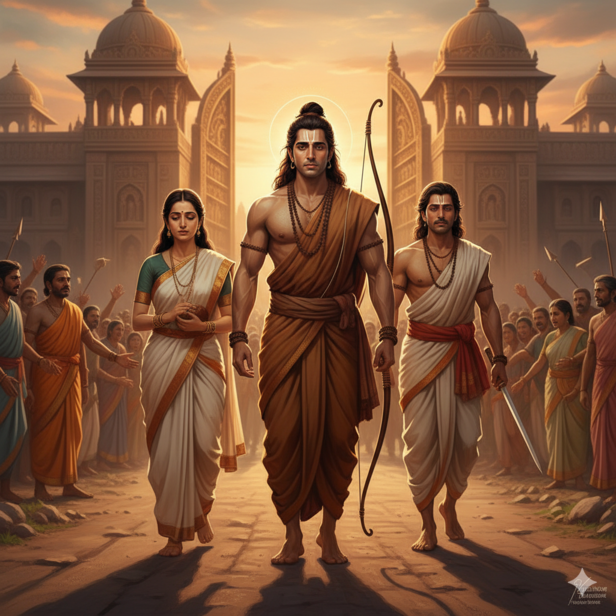
Rama Leaving Ayodhya
Image credit : Times Life Bureau
In order to keep his father's pledge, Rama voluntarily agreed to go into exile for fourteen years on the eve of his coronation. He had the opportunity to alter his destiny as a manifestation of Vishnu, but he opted for obedience above authority. He left behind family and royal comfort at this point, which signaled the start of his misery. His choice demonstrated his dedication to dharma over self interest. Rama showed that virtue occasionally necessitates sacrifice by accepting exile. His suffering served as a lesson in honor and integrity.
The Separation from Sita

Sita in Ashok Vatika
Image credit : Times Life Bureau
One of Rama's worst emotional scars was the kidnapping of Sita. Even though he was divine, he felt the pain of uncertainty and separation. Despite his human suffering, he responded with strength and patience. Rama's determination to bring justice back was strong despite his grief. This stage demonstrated that even God acknowledged emotional pain as a natural aspect of life on Earth. He demonstrated via this suffering that duty and love must coexist with courage.
The Burden of Leadership
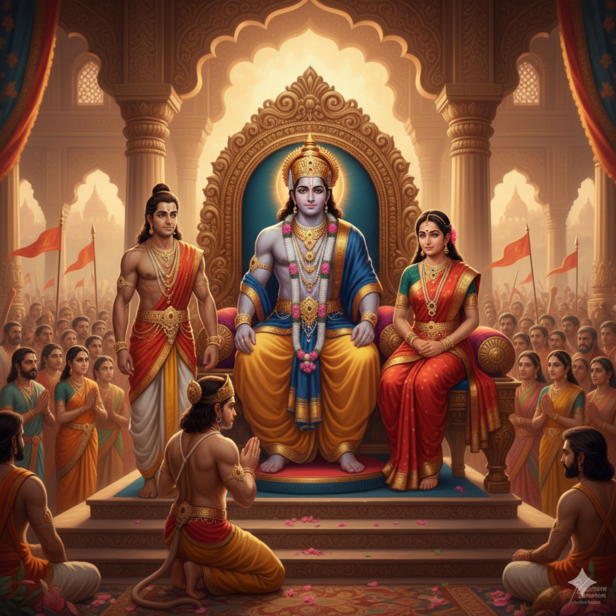
Rama as King of Ayodhya
Image credit : Times Life Bureau
Rama continued to face difficulties after arriving back in Ayodhya. As king, he was criticized and Sita's purity was questioned by the general public. He took the difficult choice to break up with her because he valued the kingdom's trust more than his own happiness. One of the Ramayana's controversial scenes is still this act. However, it displays Rama's steadfast commitment to raj dharma. His suffering as a king serves as a reminder of the costly price of accountability and moral leadership.
A Life Meant to Teach Humanity
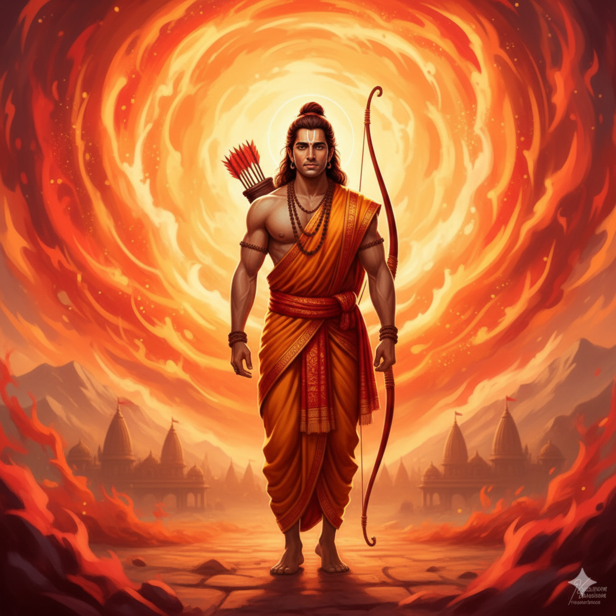
Rama as Maryada Purushottam
Image credit : Times Life Bureau
Rama's life was intended to serve as an example of moral behavior rather than to perform miracles. He hardly ever employed supernatural power for self-help, in contrast to other heavenly incarnations. He set an example by traveling within the bounds of humanity. His reputation as the perfect son, husband, and king was enhanced by each adversity he faced. He made dharma approachable and relatable by opting for the path of suffering rather than convenience. His suffering served as a roadmap for mankind as it faced its own difficulties.
Divinity Through Discipline
Lord Rama's suffering demonstrated his divinity rather than denying it. He demonstrated that moral clarity and discipline are the actual sources of strength by fighting through adversity without compromising his moral principles. His life demonstrates that one may maintain morals and lead with dignity even when faced with hardship. It's possible that Rama endured more suffering since his life was intended to light the way for others. Humanity's greatest example of bravery and responsibility was found in his suffering.
Explore the latest trends and tips in Health & Fitness, Spiritual, Travel, Life Hacks, Trending, Fashion & Beauty, and Relationships at Times Life!