
Where Should Your Girl Gang Go in 2026?
Kinjalk Sharma | Dec 24, 2025, 23:45 IST

Bali
Image credit : Freepik
Planning a girls' trip for next year. Safety is key for a great vacation. Denmark, Iceland, Norway, Switzerland, and New Zealand offer freedom without fear. These nations prioritize women's wellbeing and have low crime rates. Enjoy exploring these destinations with your friends. Experience genuine joy and create lasting memories that will last.
Highlights
- Denmark, recognized as the Trust Capital, boasts a culture of community trust where 78% of women report feeling safe walking alone at night, making it an ideal destination for girls' trips focused on enjoyment without constant vigilance.
- Iceland, leading the Global Peace Index for over a decade, provides a safe environment for women, with 85% feeling comfortable walking alone at night and a strong emphasis on gender equality woven into societal practices.
- New Zealand combines low crime rates with a culture of hospitality, ensuring women can explore freely while benefitting from a supportive community spirit that enhances safety and experience during their travels.
Planning a girls' trip for next year? Safety shouldn't kill your vibe, but it can't be ignored either. According to the Women, Peace and Security Index tracking 177 nations, some countries truly deliver on the promise of freedom without fear. Here are five destinations where you and your friends can explore without constantly looking over your shoulders.
![Denmark]()
Denmark leads global rankings for women's wellbeing, and walking through Copenhagen at midnight feels safer than most cities at noon. About 78% of women report feeling safe walking alone after dark, and the culture of community trust means locals will actually help if you look lost. The bike-friendly streets and late-running metros make spontaneous plans possible. Plus, intimate partner violence affects only 3% of women, among the lowest rates globally. That security framework extends to tourists too.
Humans thrive in high-trust environments. When an entire society operates on mutual respect, your brain relaxes its hypervigilance mode. You spend less mental energy scanning for threats and more enjoying the moment.
![Iceland]()
Iceland has led the Global Peace Index for 12 years, making it officially the world's safest country for over a decade. Police don't carry firearms there, and 85% of people feel comfortable walking alone at night. The small population creates a village mentality even in Reykjavik. Everyone genuinely seems invested in each other's safety. Iceland scored highest on gender equality measures, meaning systemic respect for women isn't just policy but practice.
Safety isn't just about low crime rates. It's about social cohesion. When strangers feel like extended family, your threat detection system powers down. You stop performing constant risk assessments and start experiencing genuine freedom.
![Norway]()
Roughly 86% of Norwegian women feel safe walking alone at night, and that sense of security extends from Oslo's tram stops to remote hiking trails. Norway has 88.9% of legal frameworks promoting gender equality in place, creating real protections beyond good intentions. The country combines stunning fjords with practical safety. Public transport runs reliably, emergency services respond quickly, and English proficiency is high. Your group won't feel isolated even in smaller towns.
True relaxation requires both physical and psychological safety. Knowing laws protect you and systems function properly lets you lower your guard. That's when real connection with friends happens.
![Switzerland]()
About 85% of Swiss women report feeling safe at night, backed by intimate partner violence rates around 2%, one of the lowest figures measured. The country's reputation for efficiency extends to safety infrastructure. Well-lit streets, punctual transport, and responsive emergency services create a safety net you'll likely never need but always have. The multilingual environment (German, French, Italian) means communication barriers rarely cause safety issues. Towns like Lucerne and Zurich blend fairy-tale charm with real security.
Predictability reduces anxiety. When trains arrive on time, streets are clean, and systems function smoothly, your nervous system registers: "This place has its act together." That unconscious assessment translates to feeling secure.
![New Zealand]()
New Zealand's combination of low crime rates, friendly locals, and well-maintained infrastructure ensures women can explore freely. The culture of hospitality means strangers genuinely help without ulterior motives. From Queenstown's adventure scene to Auckland's urban energy, the country maintains consistent safety standards. Transportation is reliable and emergency services are accessible across the country, meaning remote doesn't equal risky. That's crucial for groups wanting both city experiences and nature adventures.
Kiwi culture values looking out for others. This social contract means women traveling together benefit from a protective community spirit without being patronized. You're supported, not supervised.
No country is perfect. Even Sweden, Norway, and Finland report intimate partner violence rates of 8%, though far below global averages. Basic precautions still matter: stay aware of surroundings, trust your instincts, keep valuables secure. But in these five countries, safety is woven into the cultural fabric. You're not fighting societal attitudes while trying to have fun. Instead, you're operating in systems designed to protect everyone equally. That's the difference between a good trip and a transformative one. When you're not constantly calculating risk, you're free to actually experience joy. And that's what girls' trips should deliver: memories, not just survival stories.
Explore the latest trends and tips in Health & Fitness, Spiritual, Travel, Life Hacks, Trending, Fashion & Beauty, and Relationships at Times Life!
Denmark
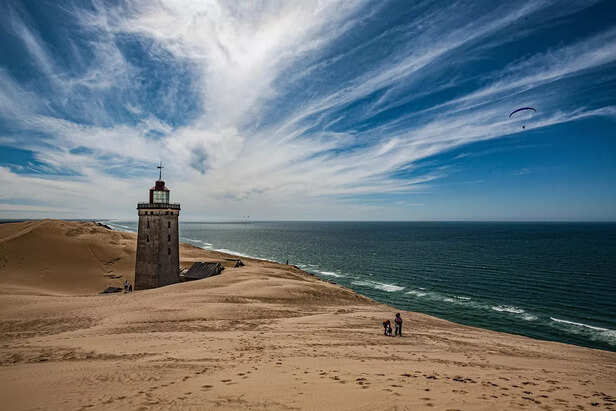
Denmark
Image credit : Pixabay
Denmark leads global rankings for women's wellbeing, and walking through Copenhagen at midnight feels safer than most cities at noon. About 78% of women report feeling safe walking alone after dark, and the culture of community trust means locals will actually help if you look lost. The bike-friendly streets and late-running metros make spontaneous plans possible. Plus, intimate partner violence affects only 3% of women, among the lowest rates globally. That security framework extends to tourists too.
Humans thrive in high-trust environments. When an entire society operates on mutual respect, your brain relaxes its hypervigilance mode. You spend less mental energy scanning for threats and more enjoying the moment.
Iceland

Iceland
Image credit : Pixabay
Iceland has led the Global Peace Index for 12 years, making it officially the world's safest country for over a decade. Police don't carry firearms there, and 85% of people feel comfortable walking alone at night. The small population creates a village mentality even in Reykjavik. Everyone genuinely seems invested in each other's safety. Iceland scored highest on gender equality measures, meaning systemic respect for women isn't just policy but practice.
Safety isn't just about low crime rates. It's about social cohesion. When strangers feel like extended family, your threat detection system powers down. You stop performing constant risk assessments and start experiencing genuine freedom.
Norway
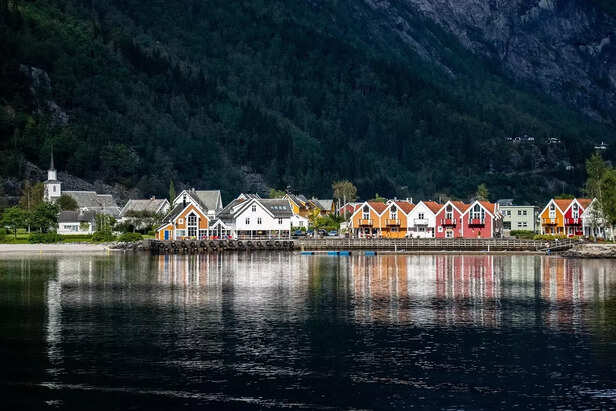
Norway
Image credit : Pixabay
Roughly 86% of Norwegian women feel safe walking alone at night, and that sense of security extends from Oslo's tram stops to remote hiking trails. Norway has 88.9% of legal frameworks promoting gender equality in place, creating real protections beyond good intentions. The country combines stunning fjords with practical safety. Public transport runs reliably, emergency services respond quickly, and English proficiency is high. Your group won't feel isolated even in smaller towns.
True relaxation requires both physical and psychological safety. Knowing laws protect you and systems function properly lets you lower your guard. That's when real connection with friends happens.
Switzerland
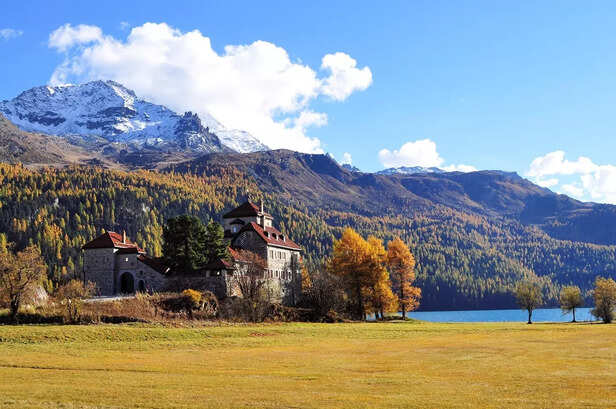
Switzerland
Image credit : Pixabay
About 85% of Swiss women report feeling safe at night, backed by intimate partner violence rates around 2%, one of the lowest figures measured. The country's reputation for efficiency extends to safety infrastructure. Well-lit streets, punctual transport, and responsive emergency services create a safety net you'll likely never need but always have. The multilingual environment (German, French, Italian) means communication barriers rarely cause safety issues. Towns like Lucerne and Zurich blend fairy-tale charm with real security.
Predictability reduces anxiety. When trains arrive on time, streets are clean, and systems function smoothly, your nervous system registers: "This place has its act together." That unconscious assessment translates to feeling secure.
New Zealand
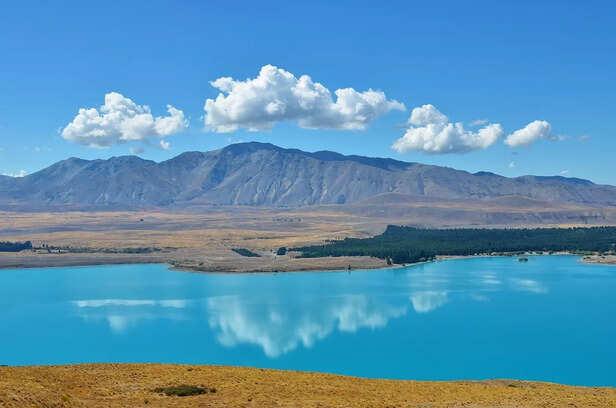
New Zealand
Image credit : Pixabay
New Zealand's combination of low crime rates, friendly locals, and well-maintained infrastructure ensures women can explore freely. The culture of hospitality means strangers genuinely help without ulterior motives. From Queenstown's adventure scene to Auckland's urban energy, the country maintains consistent safety standards. Transportation is reliable and emergency services are accessible across the country, meaning remote doesn't equal risky. That's crucial for groups wanting both city experiences and nature adventures.
Kiwi culture values looking out for others. This social contract means women traveling together benefit from a protective community spirit without being patronized. You're supported, not supervised.
The Smart Travel Reality
No country is perfect. Even Sweden, Norway, and Finland report intimate partner violence rates of 8%, though far below global averages. Basic precautions still matter: stay aware of surroundings, trust your instincts, keep valuables secure. But in these five countries, safety is woven into the cultural fabric. You're not fighting societal attitudes while trying to have fun. Instead, you're operating in systems designed to protect everyone equally. That's the difference between a good trip and a transformative one. When you're not constantly calculating risk, you're free to actually experience joy. And that's what girls' trips should deliver: memories, not just survival stories.
Explore the latest trends and tips in Health & Fitness, Spiritual, Travel, Life Hacks, Trending, Fashion & Beauty, and Relationships at Times Life!