
Bhai Dooj 2025: Date, Tilak Muhurat & the Legends Behind It
Ritika | Oct 22, 2025, 10:00 IST

Elder sister celebrating Bhai Dooj with brother
Image credit : Freepik
Bhai Dooj is the festival of brother and sister, observed on the second lunar day (Dwitiya) following the new moon in Kartika. In 2025, it will be on 23rd October. It is observed with tilak, aarti, mithai, and blessings. Its significance is deeper than ritual: it is for love, protection, and bonding within the family. This article explores the legends behind Bhai Dooj, the rituals, and also the Bhai Dooj tilak muhurat.
When the last Diwali lanterns dim and laughter dwindles into a quieter rhythm, Bhai Dooj sneaks in, soft, smooth, and warm in the heart. No fireworks, no noisy processions, only warmth that seeps between brother and sister.
The day usually involves a tilak ceremony (where the sister applies a tilak on the brother's forehead) and performing an aarti, which is followed by sweets and the brother giving gifts to the sister. It is a day when the sisters pray for their brother's long and healthy life and their happiness. Its rites are simple. But its roots go back a great way, into life and death myths. This article unravels the history of the festival, the rituals, significance, and date and muhurat for the tilak.
![Radha Krishna Painting]()
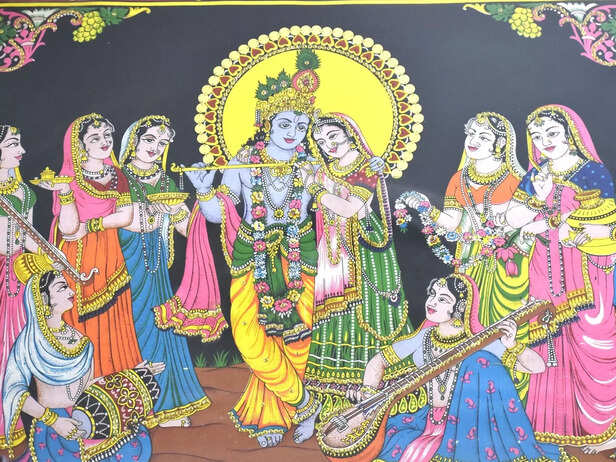
The oldest myths of Bhai Dooj go as far back as Yama, the god of death, and his sister Yamuna. Legend has it that on this day, Yama visited her residence. She welcomed him with a tilak, lit a lamp, made food herself, and welcomed him like the world's most precious guest. Moved by her affection, Yama promised that each brother who had been smeared by a tilak by his sister on that day would never suffer an untimely death.
Another ritual connects Bhai Dooj with Krishna and Subhadra. After Krishna killed the demon Narakasura, he arrived at his sister Subhadra's home on the second day after the New Moon. He was welcomed, a tilak was put on his forehead, sweets were offered, and so a ritual came into existence.
That gesture of love was adopted as a tradition.
These stories are not just ancient myths told to reassure us; they have a protective tone of gratitude. They brought the relationship between brother and sister to a godly level.
2.
![Aarti Thali]()
In Hindu lunar calendar, Shukla Paksha Dwitiya (second day) of Kartika month is when Bhai Dooj is observed. In 2025 it is 23 October (Thursday).
Since the timing of the festival is subject to lunar tithi, variations in precise ritual times (muhurats) may occur. In 2025 the "tilak muhurat" is approximately between 1:13 PM to 3:28 PM. Which means that it will last for 2 hours and 15 minutes only.
The regional names of Bhai Dooj and the traditions vary from place to place:
![Brother and sister]()
Deep down, Bhai Dooj is more than sweets and presents. It marks a few important things:
4. Bhai Dooj Rituals
![Puja Thali]()
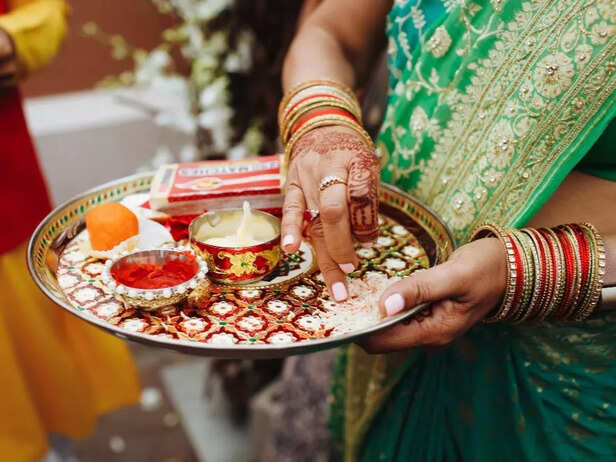
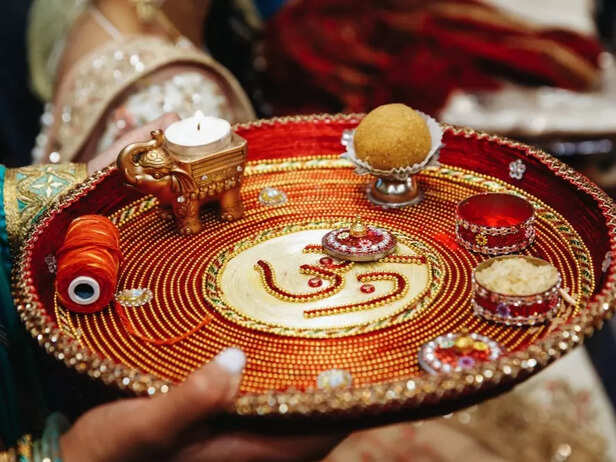
The celebration of Bhai Dooj is different from house to house and area to area, but a common ceremony includes the sister starting her day with bathing early and dressing up, she then proceeds to prepare the thali for aarti and tilak ceremony. The thali usually consists of tilak (prepared differently at different places), diya, and sweets and fruits.
The family then gathers together, and the brother keeps a handkerchief on his head as the sister begins the ceremony. She applies the tilak, performs the aarti and the sweets and gifts are exchanged.
Now the traditions and rituals change from place to place, while in Punjab the common tilak and aarti ceremony is performed, in Bihar sisters perform the Bhai Dooj ceremony by firstly abusing and cursing their brothers and then pricking their tongues with thorns, punishing themselves as the part of the ritual. They then pray for their brother's health and happiness.
Moving on to Bengal, here the ceremony is marked with sisters fasting till the tilak ceremony and they prepare the tilak using sandalwood paste, kajal (prepared at home), curd and ghee. They then perform the aarti and the elder sibling places paddy seeds and dooba (grass) on the younger one's head. This is followed by exchange of gifts and then family feast.
In Maharashtra, during Bhau Beej, the sister makes a square using rice flour on the ground for the brother to sit within. She then proceeds to apply the kumkum tilak and then performs the aarti.
And in Nepal, The Bhai Tika or Bhai Tihar, involves the sister applying a seven colored tika on her brother's forehead.
Bhai Dooj can start with just a tilak on the forehead and a mutual plate of sweets, but the significance goes much beyond. It is a reminder of mythologies, a nod to brothers and sisters as partners, a time to stand still and speak: "I see you, I care for you."
In 2025, when siblings are farther apart than ever, the ritual becomes not just tradition but bridge. The date, 23 October 2025, lends form; the rituals lend significance; the feelings lend life. Brothers and sisters will exchange tilaks, presents and vows. But what they will retain with them is the feeling of bonding through the years, space and life's passage.
Because festivals are more than actions; they are reminders of what matters. And on Bhai Dooj, that is simple: the bond of siblings, the blessing of life, the warmth of home, even when miles away.
Explore the latest trends and tips in Health & Fitness, Spiritual, Travel, Life Hacks, Trending, Fashion & Beauty, andRelationships at Times Life!
The day usually involves a tilak ceremony (where the sister applies a tilak on the brother's forehead) and performing an aarti, which is followed by sweets and the brother giving gifts to the sister. It is a day when the sisters pray for their brother's long and healthy life and their happiness. Its rites are simple. But its roots go back a great way, into life and death myths. This article unravels the history of the festival, the rituals, significance, and date and muhurat for the tilak.
1. Bhai Dooj History
Radha Krishna Painting
Image credit : Pixabay
The oldest myths of Bhai Dooj go as far back as Yama, the god of death, and his sister Yamuna. Legend has it that on this day, Yama visited her residence. She welcomed him with a tilak, lit a lamp, made food herself, and welcomed him like the world's most precious guest. Moved by her affection, Yama promised that each brother who had been smeared by a tilak by his sister on that day would never suffer an untimely death.
Another ritual connects Bhai Dooj with Krishna and Subhadra. After Krishna killed the demon Narakasura, he arrived at his sister Subhadra's home on the second day after the New Moon. He was welcomed, a tilak was put on his forehead, sweets were offered, and so a ritual came into existence.
That gesture of love was adopted as a tradition.
These stories are not just ancient myths told to reassure us; they have a protective tone of gratitude. They brought the relationship between brother and sister to a godly level.
2. Bhai Dooj 2025 Date and Tilak Muhurat
Aarti Thali
Image credit : Freepik
In Hindu lunar calendar, Shukla Paksha Dwitiya (second day) of Kartika month is when Bhai Dooj is observed. In 2025 it is 23 October (Thursday).
Since the timing of the festival is subject to lunar tithi, variations in precise ritual times (muhurats) may occur. In 2025 the "tilak muhurat" is approximately between 1:13 PM to 3:28 PM. Which means that it will last for 2 hours and 15 minutes only.
The regional names of Bhai Dooj and the traditions vary from place to place:
- Bhai Dooj / Bhaiya Dooj: North India
- Bhau Beej – Maharashtra, Goa
- Bhai Phonta – West Bengal and Bangladesh
- Bhai Tika – Nepal
3. Bhai Dooj Significance
Brother and sister
Image credit : Freepik
Deep down, Bhai Dooj is more than sweets and presents. It marks a few important things:
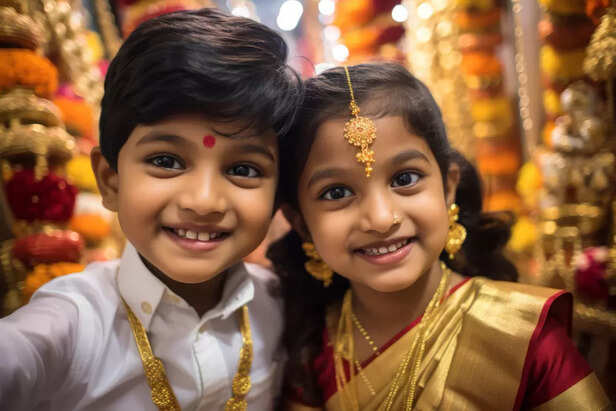
- Sibling relationship: The tilak of the sister is an expression of concern; the response of the brother is protection and acknowledgment. The festival gives a name to this valuable relationship.
- Well-being and life: Owing to the legend of Yam-Yamuna, the ritual has a covert blessing that the brother will have a long and healthy life.
- Family reunion: Families tend to meet on this day following Diwali. The festival serves as the conclusion of the Diwali week and reminds one of traditional folk values of coming together.
- Cultural identity: For most, Bhai Dooj is an opportunity to make local traditions come alive even from a distance. Regional rituals are diverse yet united in purpose.
4. Bhai Dooj Rituals
Puja Thali
Image credit : Freepik
The celebration of Bhai Dooj is different from house to house and area to area, but a common ceremony includes the sister starting her day with bathing early and dressing up, she then proceeds to prepare the thali for aarti and tilak ceremony. The thali usually consists of tilak (prepared differently at different places), diya, and sweets and fruits.
The family then gathers together, and the brother keeps a handkerchief on his head as the sister begins the ceremony. She applies the tilak, performs the aarti and the sweets and gifts are exchanged.
Now the traditions and rituals change from place to place, while in Punjab the common tilak and aarti ceremony is performed, in Bihar sisters perform the Bhai Dooj ceremony by firstly abusing and cursing their brothers and then pricking their tongues with thorns, punishing themselves as the part of the ritual. They then pray for their brother's health and happiness.
Moving on to Bengal, here the ceremony is marked with sisters fasting till the tilak ceremony and they prepare the tilak using sandalwood paste, kajal (prepared at home), curd and ghee. They then perform the aarti and the elder sibling places paddy seeds and dooba (grass) on the younger one's head. This is followed by exchange of gifts and then family feast.
In Maharashtra, during Bhau Beej, the sister makes a square using rice flour on the ground for the brother to sit within. She then proceeds to apply the kumkum tilak and then performs the aarti.
And in Nepal, The Bhai Tika or Bhai Tihar, involves the sister applying a seven colored tika on her brother's forehead.
Bond Beyond the Tilak
In 2025, when siblings are farther apart than ever, the ritual becomes not just tradition but bridge. The date, 23 October 2025, lends form; the rituals lend significance; the feelings lend life. Brothers and sisters will exchange tilaks, presents and vows. But what they will retain with them is the feeling of bonding through the years, space and life's passage.
Because festivals are more than actions; they are reminders of what matters. And on Bhai Dooj, that is simple: the bond of siblings, the blessing of life, the warmth of home, even when miles away.
Explore the latest trends and tips in Health & Fitness, Spiritual, Travel, Life Hacks, Trending, Fashion & Beauty, andRelationships at Times Life!