
Wild Alert: 8 New Cheetahs Landing in India This December
Annanya Saxena | Sept 25, 2025, 10:47 IST

Project Cheetah roars
Image credit : ANI
The cheetah project in India will see fresh momentum this December 2025 as 8–10 more cheetahs are set to arrive from southern Africa. India currently has 27 cheetahs spread across four major habitats, with some born naturally in the wild. The Environment Ministry oversees the relocation plan, which includes future cheetah imports from Kenya. The effort is part of India’s larger mission to bring back the cheetah population, which vanished from the country in the 1950s.
Your December gets wilder as 8-10 new cheetahs prepare for their journey from Botswana or Namibia to Indian grasslands. Officials are in talks with Botswana plus Namibia plus Kenya to bring 8-10 cheetahs from each country expanding India's growing cheetah population to new heights. The Environment Ministry expects this new batch of cheetahs in December 2025 marking another milestone in India's ambitious cheetah relocation project.
![Cheetah relocation]()
India now hosts 27 cheetahs spread across four wildlife locations with most calling Madhya Pradesh home. Among these 11 arrived from Africa while 16 cubs were born within the country proving early success of wildlife conservation efforts. The cheetah births in India show the program works with wild reproduction happening naturally.
Kuno National Park in Madhya Pradesh remains the primary cheetah hub housing most translocated cheetahs plus their offspring. Gandhisagar Wildlife Sanctuary also in Madhya Pradesh provides additional space for expanding cheetah numbers. Nauradehi Wildlife Sanctuary offers third option within the same state.
Gujarat's Banni grasslands represent the fourth location where free-ranging cheetahs will eventually roam. These cheetah locations spread risk while providing diverse habitats for different cheetah groups to thrive long-term.
![India cheetah project]()
The new batch of 8-10 cheetahs will likely come from Botswana or Namibia following successful previous imports from these priority countries for cheetahs. These African nations have stable cheetah populations making them ideal source locations for India's restoration project.
Botswana hosts one of Africa's largest cheetah populations with over 1500 animals roaming its vast grasslands. Namibia contributed the first 8 cheetahs to India in September 2022 starting this historic conservation effort. Both countries support India's goal of establishing viable cheetah population through ecosystem restoration.
The December cheetah relocation follows careful planning by wildlife experts from both continents. Transport procedures plus quarantine plus release protocols get refined with each batch improving survival rates for newly arrived animals.
![New cheetah arrivals]()
Kenya emerges as potential third source country for cheetah imports planned for next year expanding options for genetic diversity. Adding Kenyan cheetahs next year will bring East African genetics into India's growing population creating healthier breeding groups.
East African cheetahs differ slightly from southern African populations providing valuable genetic variation needed for long-term population health. Kenya's cheetah expertise plus conservation experience makes it ideal partner for India's ambitious species recovery program.
This multi-country approach ensures India gets genetically diverse cheetahs reducing inbreeding risks while building sustainable population capable of surviving independently over decades.
![Cheetah reintroduction]()
All four cheetah sites undergo habitat improvements plus prey base enhancement plus monitoring system upgrades preparing for December arrivals. Madhya Pradesh cheetah relocation sites receive priority attention with fence repairs plus prey animal stocking plus water source development.
Gujarat grasslands preparation includes prey species introduction plus habitat restoration plus local community engagement ensuring cheetahs find suitable hunting grounds. Each location needs adequate prey animals to support growing cheetah numbers without human-wildlife conflict.
Monitoring technology gets upgraded across all sites with camera traps plus GPS collars plus veterinary facilities ready for new arrivals. The conservation efforts in India focus on creating self-sustaining cheetah populations requiring minimal human intervention.
This December batch represents India's commitment to bringing back species that went extinct in the 1950s. The cheetah project shows how international cooperation plus scientific planning plus local support create wildlife success stories.
From zero cheetahs three years ago to 27 today plus more arriving soon demonstrates rapid progress in species recovery. Wild births prove cheetahs can adapt to Indian conditions while expanding to multiple sites reduces population risks.
Your country leads global species recovery programs showing other nations how extinct animals can return through dedicated conservation work plus international partnerships plus proper habitat management.
Explore the latest trends and tips in Health & Fitness, Spiritual, Travel, Life Hacks, Trending, Fashion & Beauty, and Relationships at Times Life!
Current Cheetah Count Hits 27 Across Four States
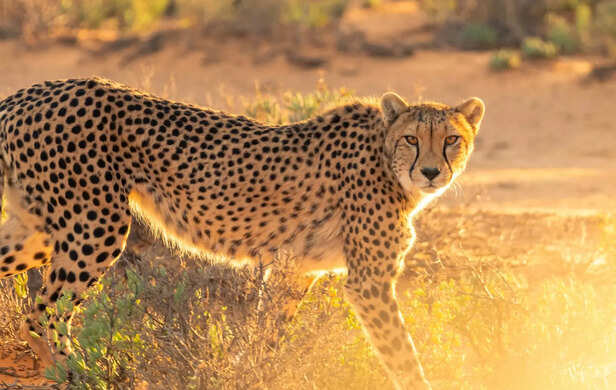
Cheetah relocation
Image credit : Unsplash
India now hosts 27 cheetahs spread across four wildlife locations with most calling Madhya Pradesh home. Among these 11 arrived from Africa while 16 cubs were born within the country proving early success of wildlife conservation efforts. The cheetah births in India show the program works with wild reproduction happening naturally.
Kuno National Park in Madhya Pradesh remains the primary cheetah hub housing most translocated cheetahs plus their offspring. Gandhisagar Wildlife Sanctuary also in Madhya Pradesh provides additional space for expanding cheetah numbers. Nauradehi Wildlife Sanctuary offers third option within the same state.
Gujarat's Banni grasslands represent the fourth location where free-ranging cheetahs will eventually roam. These cheetah locations spread risk while providing diverse habitats for different cheetah groups to thrive long-term.
December Arrivals from Southern Africa
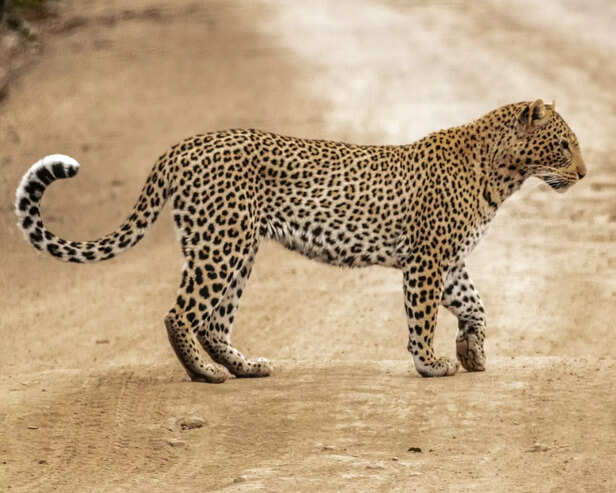
India cheetah project
Image credit : Unsplash
The new batch of 8-10 cheetahs will likely come from Botswana or Namibia following successful previous imports from these priority countries for cheetahs. These African nations have stable cheetah populations making them ideal source locations for India's restoration project.
Botswana hosts one of Africa's largest cheetah populations with over 1500 animals roaming its vast grasslands. Namibia contributed the first 8 cheetahs to India in September 2022 starting this historic conservation effort. Both countries support India's goal of establishing viable cheetah population through ecosystem restoration.
The December cheetah relocation follows careful planning by wildlife experts from both continents. Transport procedures plus quarantine plus release protocols get refined with each batch improving survival rates for newly arrived animals.
Kenya Joins the Conservation Team
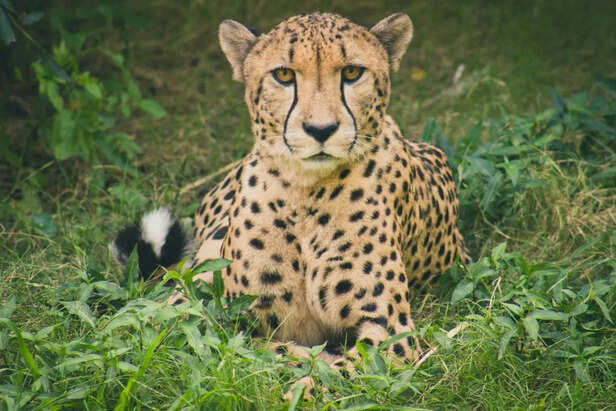
New cheetah arrivals
Image credit : Unsplash
Kenya emerges as potential third source country for cheetah imports planned for next year expanding options for genetic diversity. Adding Kenyan cheetahs next year will bring East African genetics into India's growing population creating healthier breeding groups.
East African cheetahs differ slightly from southern African populations providing valuable genetic variation needed for long-term population health. Kenya's cheetah expertise plus conservation experience makes it ideal partner for India's ambitious species recovery program.
This multi-country approach ensures India gets genetically diverse cheetahs reducing inbreeding risks while building sustainable population capable of surviving independently over decades.
Wildlife Sanctuary Preparation Intensifies
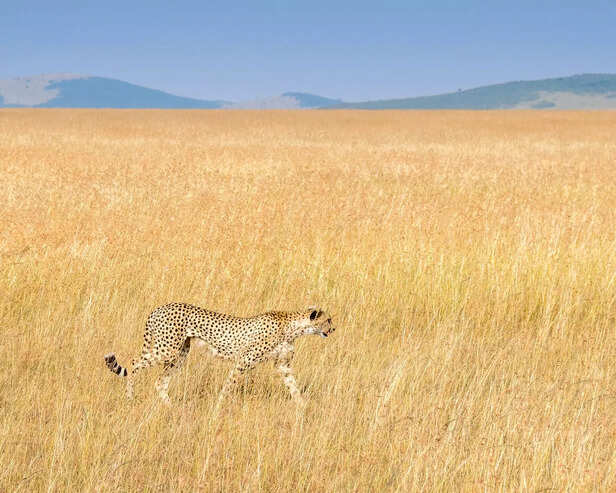
Cheetah reintroduction
Image credit : Unsplash
All four cheetah sites undergo habitat improvements plus prey base enhancement plus monitoring system upgrades preparing for December arrivals. Madhya Pradesh cheetah relocation sites receive priority attention with fence repairs plus prey animal stocking plus water source development.
Gujarat grasslands preparation includes prey species introduction plus habitat restoration plus local community engagement ensuring cheetahs find suitable hunting grounds. Each location needs adequate prey animals to support growing cheetah numbers without human-wildlife conflict.
Monitoring technology gets upgraded across all sites with camera traps plus GPS collars plus veterinary facilities ready for new arrivals. The conservation efforts in India focus on creating self-sustaining cheetah populations requiring minimal human intervention.
Success Story in the Making
From zero cheetahs three years ago to 27 today plus more arriving soon demonstrates rapid progress in species recovery. Wild births prove cheetahs can adapt to Indian conditions while expanding to multiple sites reduces population risks.
Your country leads global species recovery programs showing other nations how extinct animals can return through dedicated conservation work plus international partnerships plus proper habitat management.
Explore the latest trends and tips in Health & Fitness, Spiritual, Travel, Life Hacks, Trending, Fashion & Beauty, and Relationships at Times Life!