
Why Japanese Live Longer: 5 Habits Backed by a Neurosurgeon
Deepak Rajeev | Apr 28, 2026, 16:36 IST

What Japan Gets Right: 5 Habits for a Longer, Healthier Life
Image credit : Freepik
Japanese citizens enjoy long lives due to specific daily practices. Structured routines, mindful eating, and consistent movement are key. Social engagement and proactive healthcare further contribute. These habits help manage stress and promote overall well-being, leading to extended lifespans. This approach offers valuable insights for global health.
Highlights
- Japanese individuals maintain well-structured daily routines.
- Ancient Japanese practice of Hara Hachi Bu encourages eating until 80% full.
- Physical activity is an integral part of daily life for Japanese citizens.
- Japanese culture emphasises the importance of social interactions.
The world has been observing and trying to understand the reasons behind the high life expectancy of Japanese individuals for years. Random observations credit rice, green tea and fish for the same. However, in deeper analysis we realise that there are some key daily habits that sustain this phenomenon. In this article, we will explore what Baibing Chen, a Michigan-based neurosurgeon, had to say about Japanese longevity in his Instagram handle i.e., we will note down 5 important habits that are followed by Japanese citizens which speak volumes about their high life expectancy.
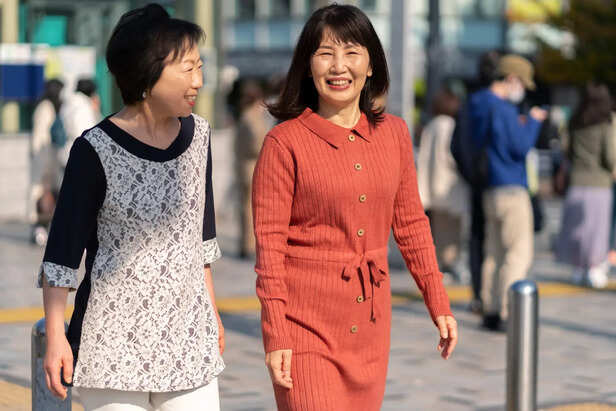
![Japanese people lead their lives based on well structured rhythms]() Dr. Chen points out that Japanese people lead their lives based on well structured rhythms. Their routines of eating and going to sleep at the same times are well maintained into old age. As a neurosurgeon, Dr. Chen realises that the brain works efficiently when the sleep cycles and stress hormones are balanced.
Dr. Chen points out that Japanese people lead their lives based on well structured rhythms. Their routines of eating and going to sleep at the same times are well maintained into old age. As a neurosurgeon, Dr. Chen realises that the brain works efficiently when the sleep cycles and stress hormones are balanced.
![Japanese Eating Habits]() Instead of a large serving, Japanese people have their meals in smaller sizes, often consisting of modest dishes. Hara Hachi Bu is a fundamental ancient eating habit in Japan where people stop eating once they are 80% full, rather than stuffed. This simple habit significantly lowers the metabolic strain on the body, slowing down the ageing of heart and brain.
Instead of a large serving, Japanese people have their meals in smaller sizes, often consisting of modest dishes. Hara Hachi Bu is a fundamental ancient eating habit in Japan where people stop eating once they are 80% full, rather than stuffed. This simple habit significantly lowers the metabolic strain on the body, slowing down the ageing of heart and brain.
Japanese citizens don’t consider physical activity as a task that needs to be fulfilled. Instead it is built into daily life. Whether its walking to metro stations, office and climbing stairs, running errands on foot is a must for the people of Japan. According to the Dr., this low-intensity movement, as it is deeply intertwined with everyday existence, increases blood circulation into the brain, lowering the risks of cognitive degeneration and stroke.
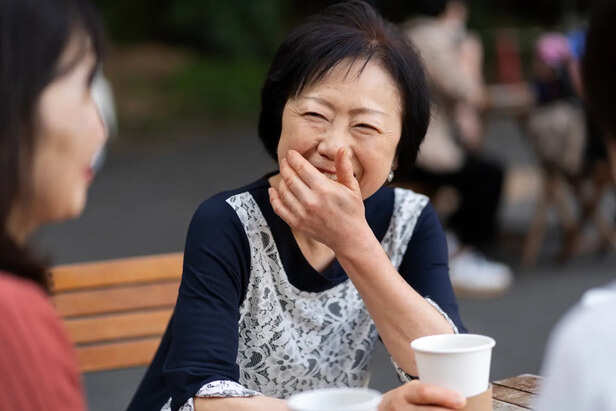
![Social activities help us keep the brain active]() From ancient time onwards, Japanese wisdom realised the strong interrelation between social inclusion and longevity. Hence, we will see most of the older adults in this country engaged in community life, volunteering and work. Social activities help us keep the brain active, reducing the risk of developing dementia and depression. Furthermore, realising that we are here in this world in order to fulfil a purpose is very important for long-term health.
From ancient time onwards, Japanese wisdom realised the strong interrelation between social inclusion and longevity. Hence, we will see most of the older adults in this country engaged in community life, volunteering and work. Social activities help us keep the brain active, reducing the risk of developing dementia and depression. Furthermore, realising that we are here in this world in order to fulfil a purpose is very important for long-term health.
Dr Chen said that the predicate daily routines and cultural structure help Japanese individuals keep chronic stress at bay. Moreover, consistent health checkups are also highly prioritised. As a result, many health issues are identified before they turn into serious problems.
Explore the latest trends and tips in Health & Fitness, Spiritual, Travel, Life Hacks, Trending, Fashion & Beauty, and Relationships at Times Life!
1. Daily Rhythms of Japanese Routines
Japanese people lead their lives based on well structured rhythms
Image credit : Freepik
2. Japanese People Eat Food in Portion Sizes

Japanese Eating Habits
Image credit : Freepik
3. Japanese Habit of Daily Movement
Japanese citizens don’t consider physical activity as a task that needs to be fulfilled. Instead it is built into daily life. Whether its walking to metro stations, office and climbing stairs, running errands on foot is a must for the people of Japan. According to the Dr., this low-intensity movement, as it is deeply intertwined with everyday existence, increases blood circulation into the brain, lowering the risks of cognitive degeneration and stroke.
4. Japanese Priority of Social Interactions
Social activities help us keep the brain active
Image credit : Freepik
5. Japanese Preventive Healthcare & Lower Chronic Stress
Dr Chen said that the predicate daily routines and cultural structure help Japanese individuals keep chronic stress at bay. Moreover, consistent health checkups are also highly prioritised. As a result, many health issues are identified before they turn into serious problems.
Explore the latest trends and tips in Health & Fitness, Spiritual, Travel, Life Hacks, Trending, Fashion & Beauty, and Relationships at Times Life!