
7 Most Emotional Animals in the World That Mourn Like Humans
Deepak Rajeev | May 08, 2026, 13:13 IST

Most Emotional Animals (Image Credit: AI)
New research reveals animals mourn like humans. Elephants touch dead relatives. Dolphins carry lost calves for days. Crows hold 'funerals'. Gorillas grieve family members. Dogs show sadness after loss. Whales stay near deceased pod members. These findings change our understanding of animal intelligence and emotions. Nature shows deep bonds connect all living beings.
For many years, people believed grief was a deeply human emotion. Scientists once assumed that animals reacted to death only through instinct or survival behavior. But over the last few decades, researchers and wildlife experts have documented heartbreaking moments in nature that suggest something far more emotional is happening. From elephants touching the bones of dead family members to dolphins refusing to leave a lost calf behind, evidence continues to grow that many animals experience emotional distress and mourning in ways that resemble human grief.
The scientific study of how animals respond to death is known as comparative thanatology. Researchers in this field study how animals behave around dying or deceased companions, and the findings have surprised even experts. Many animals show signs of sadness, social withdrawal, protective behavior, vocal distress, and changes in normal routines after a loss. These emotional reactions have changed the way scientists understand animal intelligence, empathy, and social bonding.
Here are some of the most emotional animals in the world that appear to mourn like humans.
![Asian Elephants]()
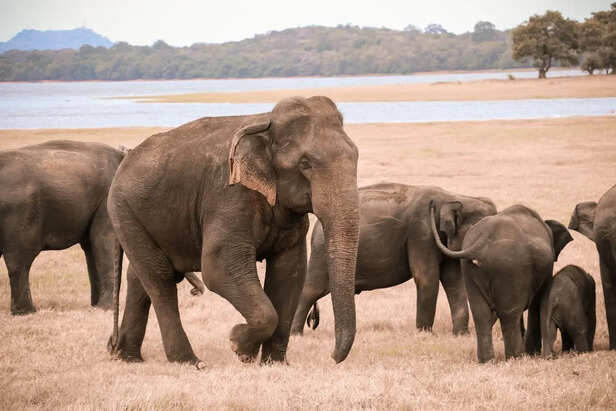
Elephants are widely considered one of the most emotionally intelligent animals on Earth. Wildlife researchers have repeatedly observed elephants gathering silently around dead members of their herd. They gently touch bones and skulls with their trunks, remain near bodies for long periods, and sometimes revisit the same remains years later.
In some heartbreaking cases, elephants have even tried lifting weak or dying companions back onto their feet. Researchers studying elephant behavior found that this emotional attention is not limited to close relatives alone. Entire herds often appear deeply affected by the death of a member. Scientists in India also documented cases where Asian elephants appeared to bury dead calves using soil and vegetation. These incidents sparked worldwide discussion about whether elephants possess a deeper understanding of death than previously believed. Many wildlife experts now consider elephants among the clearest examples of grief and mourning in the animal kingdom.
2. Dolphins Refuse to Leave Their Lost Babies Behind
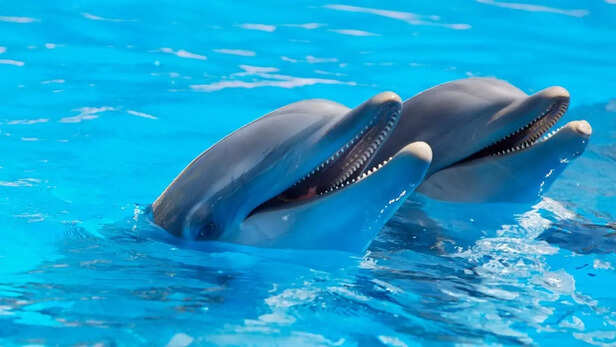
![Dolphins]() Dolphins are famous for their intelligence and social behavior, but researchers have also witnessed deeply emotional reactions after death within dolphin groups. In several documented cases, mother dolphins were seen carrying dead calves through the water for hours or even days. Some pushed the bodies gently with their noses as if trying to help them breathe again.
Dolphins are famous for their intelligence and social behavior, but researchers have also witnessed deeply emotional reactions after death within dolphin groups. In several documented cases, mother dolphins were seen carrying dead calves through the water for hours or even days. Some pushed the bodies gently with their noses as if trying to help them breathe again.
Scientists studying whales and dolphins found similar behavior across multiple marine mammal species. Orcas, pilot whales, and bottlenose dolphins have all been observed staying close to dead companions instead of abandoning them immediately. One of the most widely discussed examples involved an orca mother known as J35, who carried her dead calf through the ocean for days. Marine biologists described the incident as emotionally powerful evidence of grief in whales. Researchers believe these prolonged behaviors may reflect strong emotional attachment and distress rather than simple instinct.
3. Chimpanzees Show Silence and Sadness After Death
![Chimpanzees]()
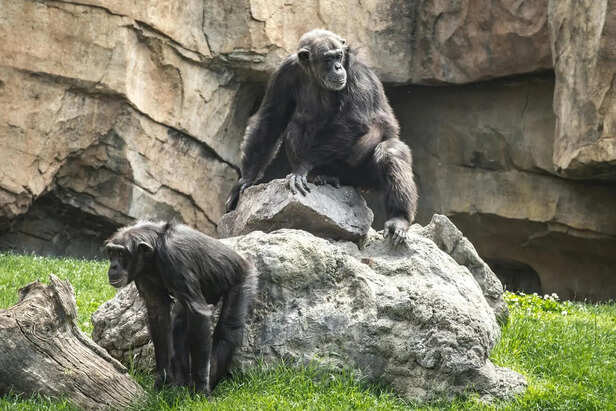
Chimpanzees share many emotional and social similarities with humans, so it is not surprising that their reactions to death have deeply moved researchers. In several studies, chimpanzees have been observed quietly sitting near deceased members of their group for long periods. Mothers have also been seen carrying dead infants for days while appearing withdrawn from normal activity.
Some chimpanzees groom or touch the body gently even after death. Others reduce social interactions and display visible behavioral changes after losing companions. Scientists believe these reactions suggest emotional awareness and strong social bonding. Because chimpanzees live in highly social communities with deep relationships, the loss of a member can significantly affect the entire group.
4. Crows Hold What Scientists Call “Funerals”
Crows are among the smartest birds in the world, and their behavior around death has fascinated scientists for years. Researchers have observed crows gathering loudly around dead members of their species in what many people describe as “crow funerals.” Scientists believe these gatherings may partly serve as danger warnings, but studies also show strong emotional and social responses within crow groups. Crows often remain near dead companions while vocalizing intensely and paying close attention to the surroundings. Their reactions are so organized and emotionally striking that many experts now believe crows possess far greater emotional intelligence than humans once imagined.
Gorillas form extremely close family bonds, especially between mothers and infants. Wildlife experts studying gorillas have observed signs of emotional distress after the death of family members. Some gorillas remain close to bodies for extended periods while others become unusually quiet and withdrawn. In some heartbreaking observations, young gorillas who lost their mothers showed signs of depression, reduced appetite, and major behavioral changes. These emotional responses resemble the effects of grief seen in humans after the loss of loved ones. Because gorillas share much of their social behavior and emotional complexity with humans, their mourning behavior continues to be studied closely by scientists.
Many dog owners have personally witnessed signs of grief in pets after the death of a human or animal companion. Dogs may stop eating normally, lose energy, sleep more, become anxious, or wait near doors and familiar places searching for someone who never returns. Veterinarians and animal behavior experts say dogs form powerful emotional bonds with humans and other animals. Some dogs show clear behavioral changes after loss, including sadness, clinginess, and withdrawal. Stories of loyal dogs remaining beside graves or waiting for deceased owners have emotionally moved people across the world for generations. While scientists remain careful about using human emotional labels directly, many agree that dogs experience forms of attachment and emotional suffering that strongly resemble grief.
Large whale species have also shown striking reactions to death. Researchers have observed whales slowing down their movement to stay near dead pod members. Some groups even form protective circles around deceased calves or injured companions. Because whales live in highly social family groups with long lasting bonds, scientists believe emotional attachment may play a major role in these behaviors. Marine researchers studying whale grief say the emotional intensity of these reactions often surprises even experienced observers. These behaviors have forced scientists to rethink old assumptions about emotions in nonhuman species.
The emotional lives of animals are far more complex than humans once believed. From elephants touching ancient bones to dolphins carrying dead calves and crows gathering around fallen companions, nature continues to reveal scenes of grief that feel deeply familiar to human emotions. Scientists may still debate exactly how animals understand death, but growing evidence strongly suggests many species experience emotional pain, social loss, and mourning in meaningful ways. These discoveries are changing how people view the animal world. They remind humanity that emotions such as attachment, love, loss, and grief may not belong only to humans. In many ways, the sorrow seen in animals reflects the same deep bonds that connect all living beings on Earth.
Explore the latest trends and tips in Health & Fitness, Spiritual, Travel, Life Hacks, Trending, Fashion & Beauty, and Relationships at Times Life!
The scientific study of how animals respond to death is known as comparative thanatology. Researchers in this field study how animals behave around dying or deceased companions, and the findings have surprised even experts. Many animals show signs of sadness, social withdrawal, protective behavior, vocal distress, and changes in normal routines after a loss. These emotional reactions have changed the way scientists understand animal intelligence, empathy, and social bonding.
Here are some of the most emotional animals in the world that appear to mourn like humans.
1. Elephants Never Forget Their Dead
Asian Elephants
Image credit : Pexels
Elephants are widely considered one of the most emotionally intelligent animals on Earth. Wildlife researchers have repeatedly observed elephants gathering silently around dead members of their herd. They gently touch bones and skulls with their trunks, remain near bodies for long periods, and sometimes revisit the same remains years later.
In some heartbreaking cases, elephants have even tried lifting weak or dying companions back onto their feet. Researchers studying elephant behavior found that this emotional attention is not limited to close relatives alone. Entire herds often appear deeply affected by the death of a member. Scientists in India also documented cases where Asian elephants appeared to bury dead calves using soil and vegetation. These incidents sparked worldwide discussion about whether elephants possess a deeper understanding of death than previously believed. Many wildlife experts now consider elephants among the clearest examples of grief and mourning in the animal kingdom.
2. Dolphins Refuse to Leave Their Lost Babies Behind
Dolphins
Image credit : Pexels
Scientists studying whales and dolphins found similar behavior across multiple marine mammal species. Orcas, pilot whales, and bottlenose dolphins have all been observed staying close to dead companions instead of abandoning them immediately. One of the most widely discussed examples involved an orca mother known as J35, who carried her dead calf through the ocean for days. Marine biologists described the incident as emotionally powerful evidence of grief in whales. Researchers believe these prolonged behaviors may reflect strong emotional attachment and distress rather than simple instinct.
3. Chimpanzees Show Silence and Sadness After Death
Chimpanzees
Image credit : Pexels
Chimpanzees share many emotional and social similarities with humans, so it is not surprising that their reactions to death have deeply moved researchers. In several studies, chimpanzees have been observed quietly sitting near deceased members of their group for long periods. Mothers have also been seen carrying dead infants for days while appearing withdrawn from normal activity.
Some chimpanzees groom or touch the body gently even after death. Others reduce social interactions and display visible behavioral changes after losing companions. Scientists believe these reactions suggest emotional awareness and strong social bonding. Because chimpanzees live in highly social communities with deep relationships, the loss of a member can significantly affect the entire group.
4. Crows Hold What Scientists Call “Funerals”
Crows are among the smartest birds in the world, and their behavior around death has fascinated scientists for years. Researchers have observed crows gathering loudly around dead members of their species in what many people describe as “crow funerals.” Scientists believe these gatherings may partly serve as danger warnings, but studies also show strong emotional and social responses within crow groups. Crows often remain near dead companions while vocalizing intensely and paying close attention to the surroundings. Their reactions are so organized and emotionally striking that many experts now believe crows possess far greater emotional intelligence than humans once imagined.
5. Gorillas Grieve Family Members Deeply
Gorillas form extremely close family bonds, especially between mothers and infants. Wildlife experts studying gorillas have observed signs of emotional distress after the death of family members. Some gorillas remain close to bodies for extended periods while others become unusually quiet and withdrawn. In some heartbreaking observations, young gorillas who lost their mothers showed signs of depression, reduced appetite, and major behavioral changes. These emotional responses resemble the effects of grief seen in humans after the loss of loved ones. Because gorillas share much of their social behavior and emotional complexity with humans, their mourning behavior continues to be studied closely by scientists.
6. Dogs Often Struggle After Losing Their Owners
Many dog owners have personally witnessed signs of grief in pets after the death of a human or animal companion. Dogs may stop eating normally, lose energy, sleep more, become anxious, or wait near doors and familiar places searching for someone who never returns. Veterinarians and animal behavior experts say dogs form powerful emotional bonds with humans and other animals. Some dogs show clear behavioral changes after loss, including sadness, clinginess, and withdrawal. Stories of loyal dogs remaining beside graves or waiting for deceased owners have emotionally moved people across the world for generations. While scientists remain careful about using human emotional labels directly, many agree that dogs experience forms of attachment and emotional suffering that strongly resemble grief.
7. Whales Show Emotional Bonds That Continue Even After Death
Large whale species have also shown striking reactions to death. Researchers have observed whales slowing down their movement to stay near dead pod members. Some groups even form protective circles around deceased calves or injured companions. Because whales live in highly social family groups with long lasting bonds, scientists believe emotional attachment may play a major role in these behaviors. Marine researchers studying whale grief say the emotional intensity of these reactions often surprises even experienced observers. These behaviors have forced scientists to rethink old assumptions about emotions in nonhuman species.
Conclusion
The emotional lives of animals are far more complex than humans once believed. From elephants touching ancient bones to dolphins carrying dead calves and crows gathering around fallen companions, nature continues to reveal scenes of grief that feel deeply familiar to human emotions. Scientists may still debate exactly how animals understand death, but growing evidence strongly suggests many species experience emotional pain, social loss, and mourning in meaningful ways. These discoveries are changing how people view the animal world. They remind humanity that emotions such as attachment, love, loss, and grief may not belong only to humans. In many ways, the sorrow seen in animals reflects the same deep bonds that connect all living beings on Earth.
Explore the latest trends and tips in Health & Fitness, Spiritual, Travel, Life Hacks, Trending, Fashion & Beauty, and Relationships at Times Life!